2026 Census Results: Uzbekistan’s Population Reaches 39 Mln


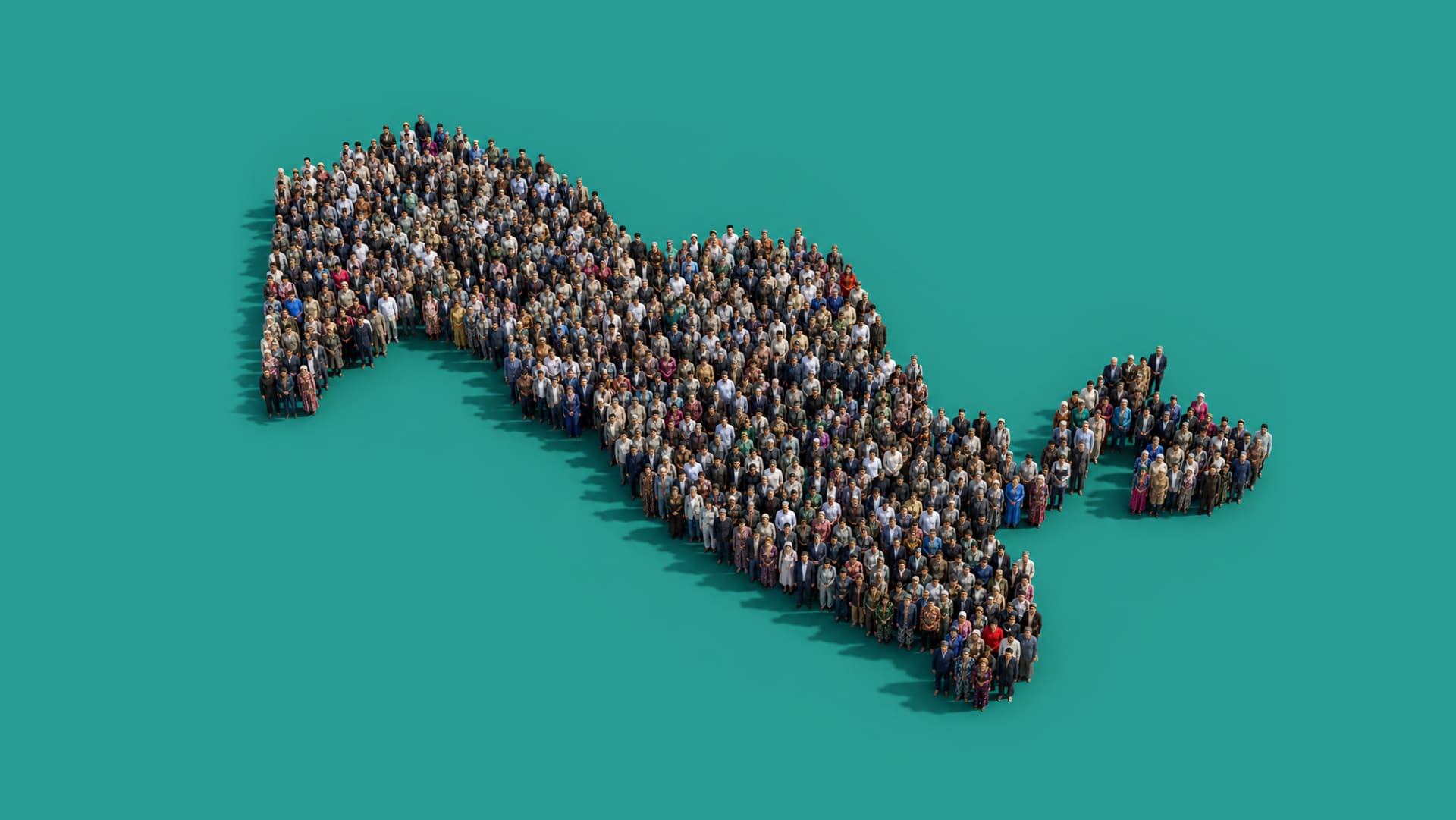
The initial results of Uzbekistan’s national census were revealed at the presentation of the preliminary results of the population and agricultural census.
Conducted between January 15 and February 28, 2026, this data collection marks the first nationwide census since 1989. It provides an updated snapshot of the country’s demographic and economic landscape after nearly four decades.
The preliminary figures reveal that the total population of Uzbekistan has reached 39,047,321.
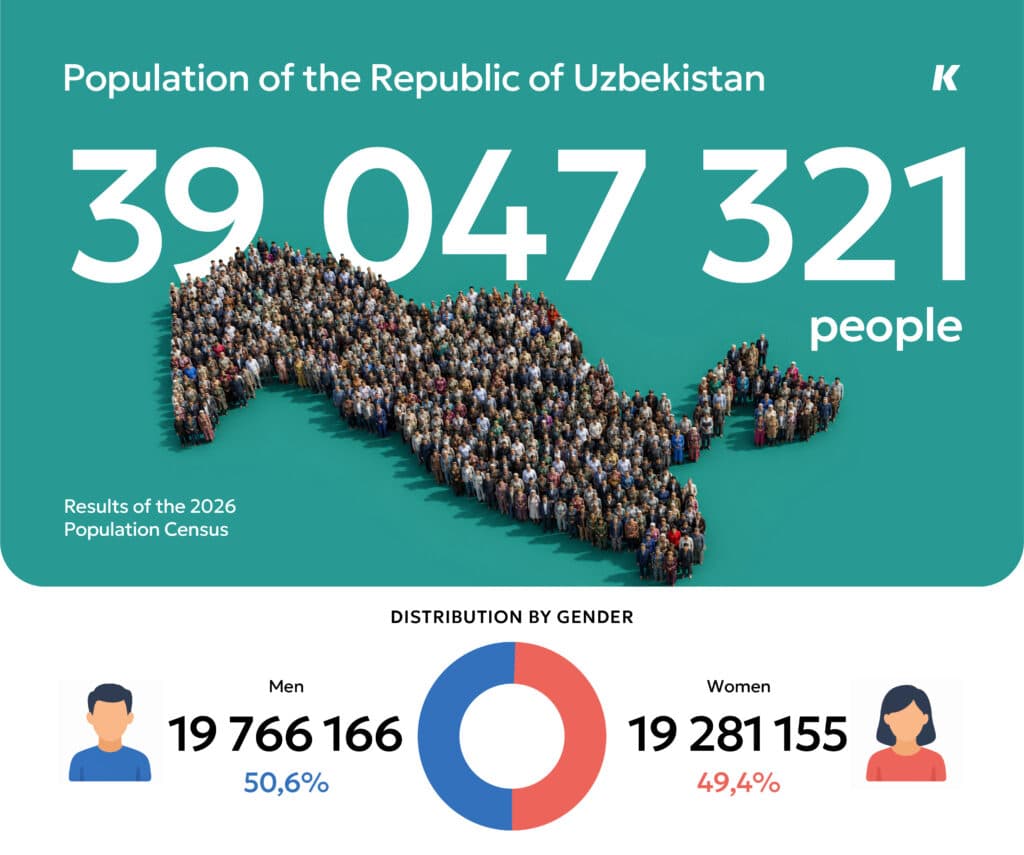
A breakdown of the population by gender shows a relatively balanced society with a slight male majority. The newly presented data indicates that there are 19,766,166 men, comprising 50.6% of the population, and 19,281,155 women making up the remaining 49.4%.
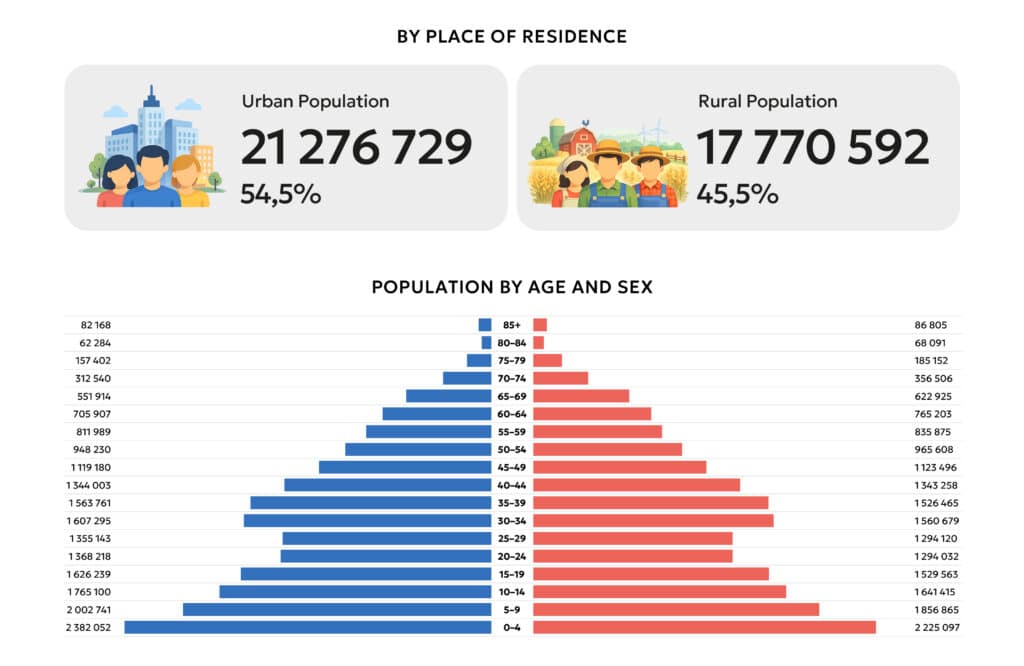
Urbanisation continues to be a defining trend in modern Uzbekistan. More than half of the country’s citizens now live in urban environments. Specifically, the urban population stands at 21,276,729 (54.5%) while the rural population accounts for 17,770,592 individuals (45.5%).
The census also highlights the nation’s youthful and robust demographic structure. Children make up 32.1% of the population, representing 12,515,140 individuals. The working-age demographic forms the substantial majority at 55.7% with 21,739,409 people, ensuring a strong workforce for the national economy. Meanwhile, older adults represent 12.3% of the total or 4,792,772 individuals.
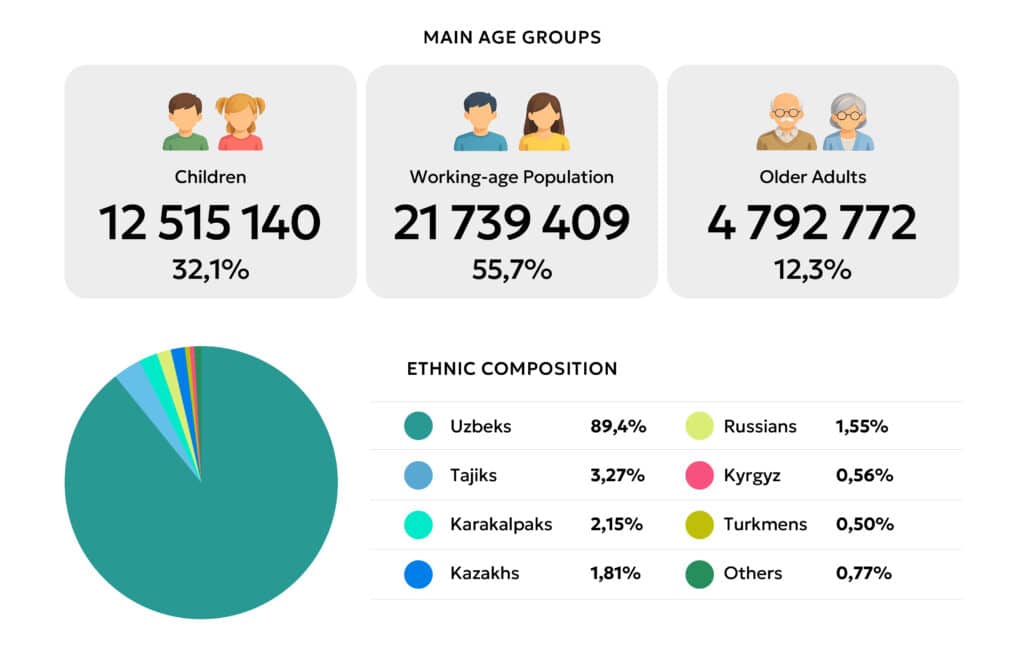
Uzbekistan remains a culturally diverse yet unified nation. Ethnic Uzbeks form the vast majority, accounting for 89.4% of the population (34,901,261 people). The country is also home to various ethnic minority groups including Tajiks (3.27%), Karakalpaks (2.16%), Kazakhs (1.81%), Russians (1.55%), Kyrgyz (0.56%), Turkmen (0.50%) and other nationalities (0.77%).
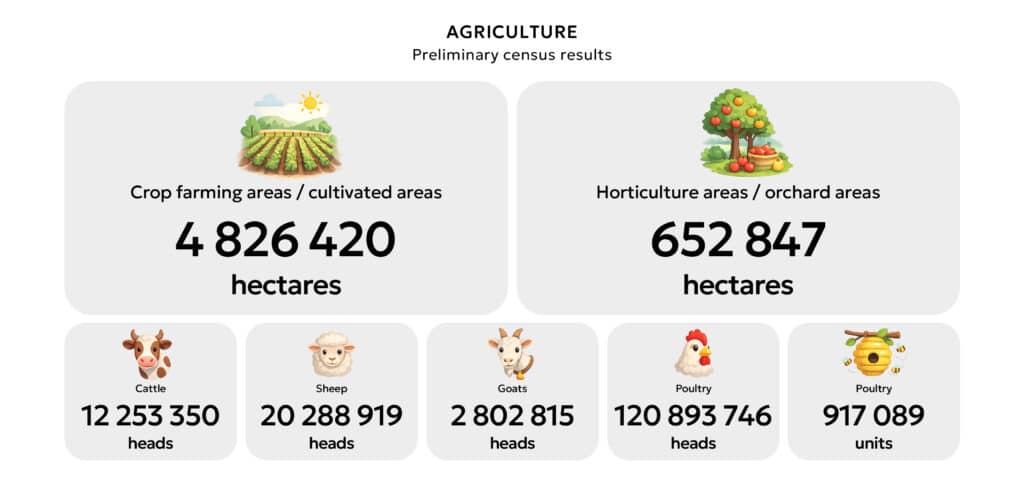
Beyond human demographics, the census provided essential agricultural statistics which remain a cornerstone of the national economy. Preliminary figures highlight an expansive agricultural sector with 4,826,420 hectares dedicated to crop land and an additional 652,847 hectares utilised for fish farming reservoirs.
The findings also noted significant livestock numbers across cattle, sheep and poultry, reflecting the enduring importance of animal husbandry and farming in the republic’s rural development strategy.
