Uzbekistan’s Reserves Drop to $63.7 Bn Despite Adding More Gold

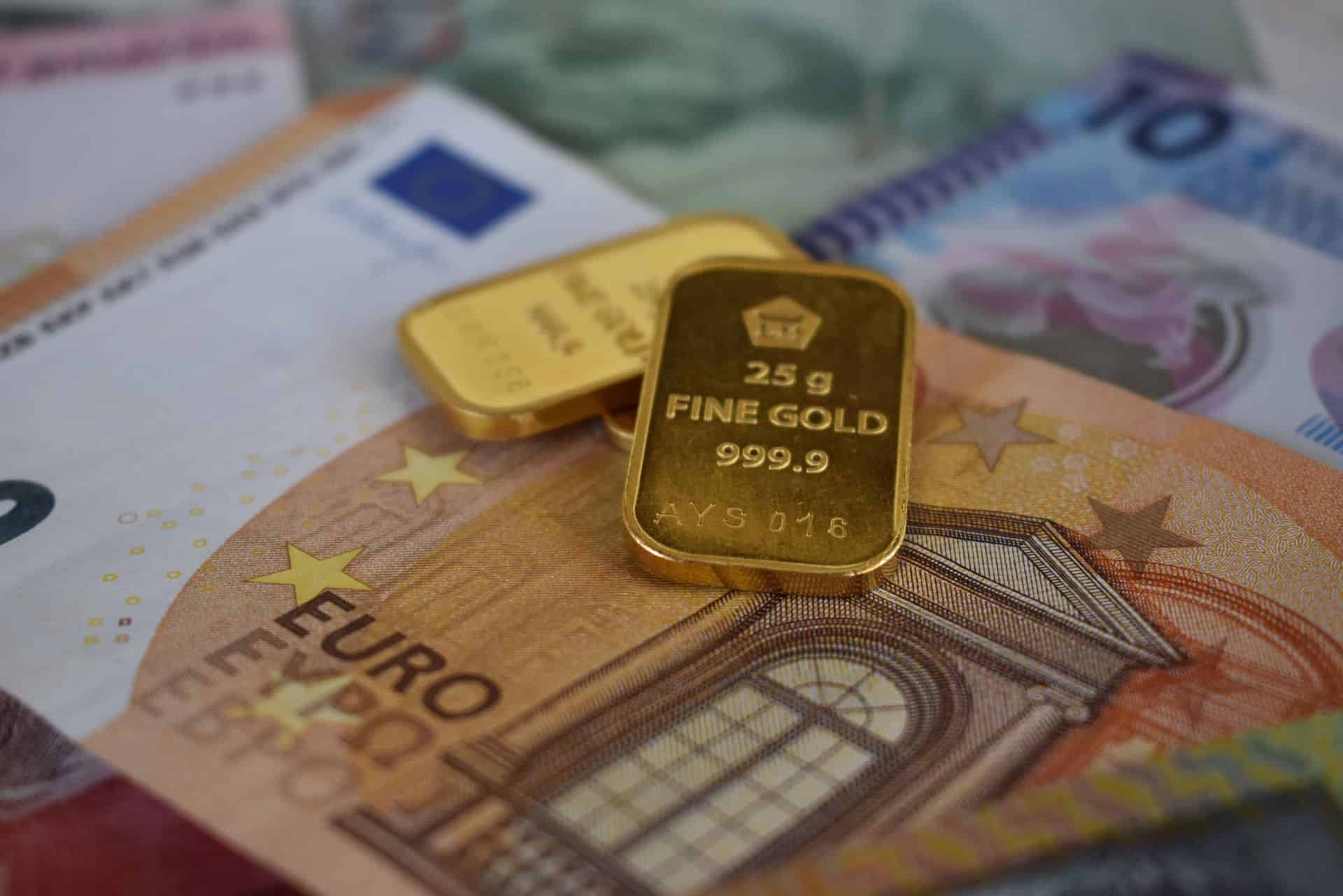
Uzbekistan’s gold and foreign exchange reserves declined to $63.7 bn at the start of July, representing a notable decrease from the $70.5 bn recorded just one month prior. The central bank report highlights that this overall financial depreciation occurred even as the Central Asian nation continued to aggressively expand its physical bullion holdings.
According to the latest regulatory data, foreign currency assets accounted for $7.4 bn of the July 1 total while the nation’s gold holdings were valued at $55.7 bn. Despite the drop in the overall monetary valuation of these assets, the physical volume of the country’s gold reserves increased during this specific period. The sovereign stockpile rose from 13.6 mln to 13.88 mln troy ounces, bringing the total national accumulation to approximately 431.7 tonnes.
The World Gold Council recently reported that Uzbekistan positioned itself among the top three central bank buyers of gold globally in May after successfully acquiring nine tonnes of the precious metal. Since the beginning of 2026, the country’s net purchases have reached a total of 33 tonnes. This aggressive acquisition strategy currently trails only Poland and has pushed the proportion of gold within Uzbekistan’s international reserves to a commanding 87%.
Shifting global market forecasts
The discrepancy between the rising physical volume of the reserves and their falling overall valuation aligns with shifting global market dynamics. In early July, JP Morgan officially revised its 2026 gold price predictions downwards.
Bank analysts now expect the precious metal to average around $4,300 per troy ounce in the third quarter before gradually climbing to $4,500 by the end of the year. This represents a stark reversal from June when financial experts confidently projected that prices could soar to $6,000 per ounce by late 2026.
JP Morgan attributed the downgraded financial outlook to unexpectedly weak demand from major global buyers. Analysts also cited the potential for an earlier interest rate increase by the U.S. Federal Reserve as a supplementary risk factor currently weighing heavily on the commodities market.