
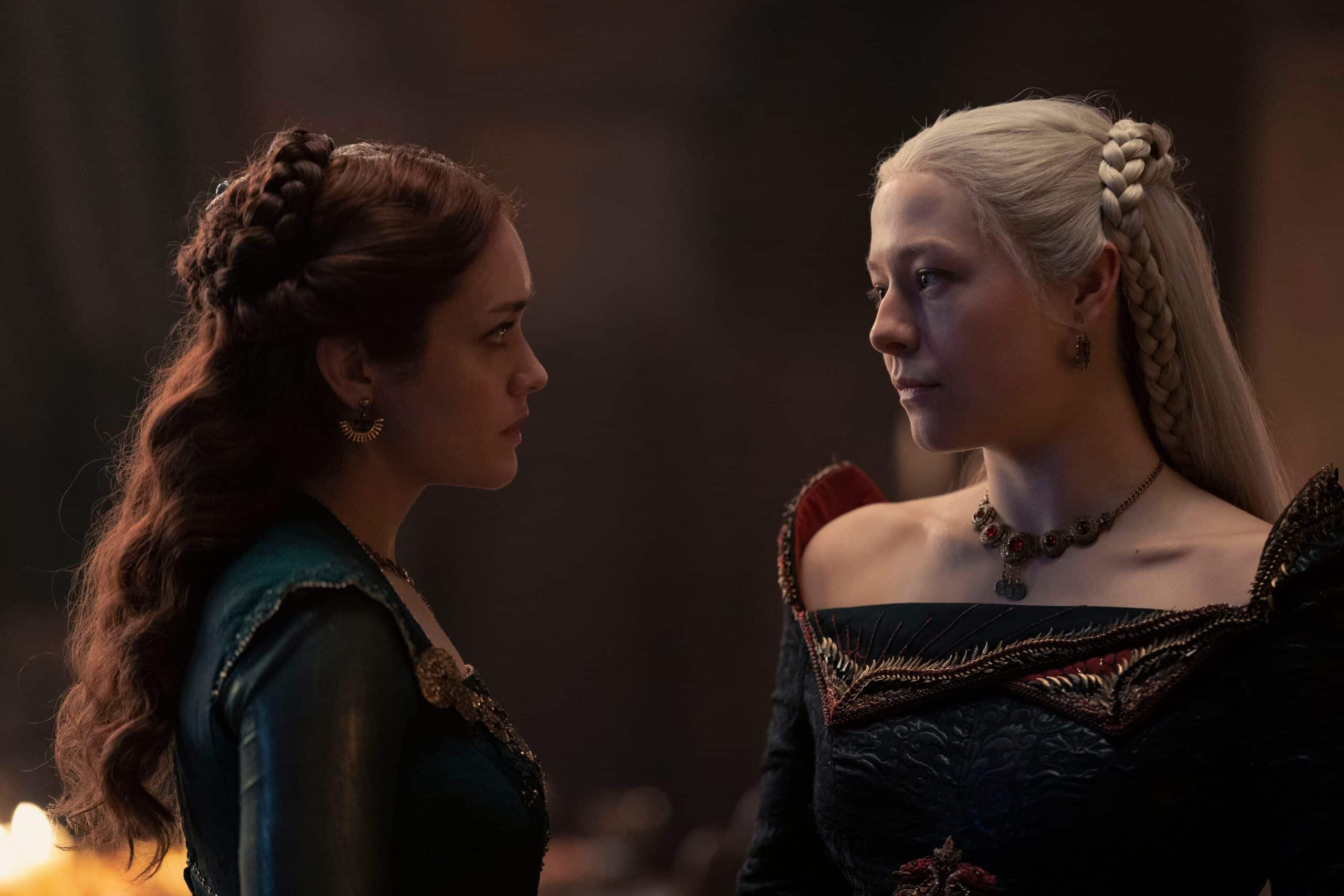
Few television productions have faced expectations quite as daunting as House of the Dragon. As the highly anticipated prequel to HBO’s global phenomenon Game of Thrones, every detail, from the dragons and castles to the jewellery and costumes, was expected to immerse audiences in the rich history of Westeros.
While the breathtaking cinematography and political intrigue have captivated viewers worldwide, another star quietly steals every scene: the costumes.
The elaborate wardrobe does far more than clothe its characters. Every gown, cloak and piece of armour communicates power, loyalty, ambition and heritage, often revealing as much about a character as their dialogue.
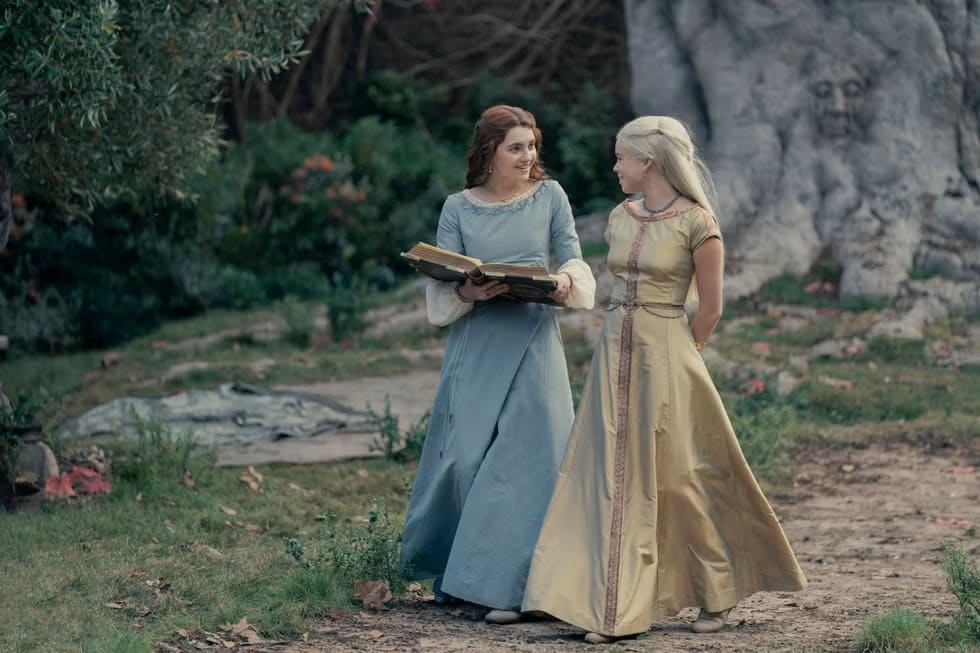
Behind the extraordinary visual identity of the series stands acclaimed costume designer Jany Temime, whose impressive résumé includes six Harry Potter films, Skyfall, Spectre, Black Widow and Judy. She designed the costumes for the first season before Caroline McCall took over for Seasons Two and Three, preserving the distinctive aesthetic while expanding it for the escalating civil war known as the Dance of the Dragons. She provided many details about her job in the interview to Harper’s Bazaar
Designing a World That Never Existed
Unlike historical dramas, House of the Dragon offered no real historical period to recreate. Instead, Temime faced the unique challenge of inventing a believable civilisation that exists nearly two centuries before the events of Game of Thrones.
«This show is set 200 years before something which doesn’t exist,» Temime explained. «It’s not specifically historical.»
Rather than copying one era, she blended influences from multiple periods, searching for a visual language that felt ancient yet luxurious.
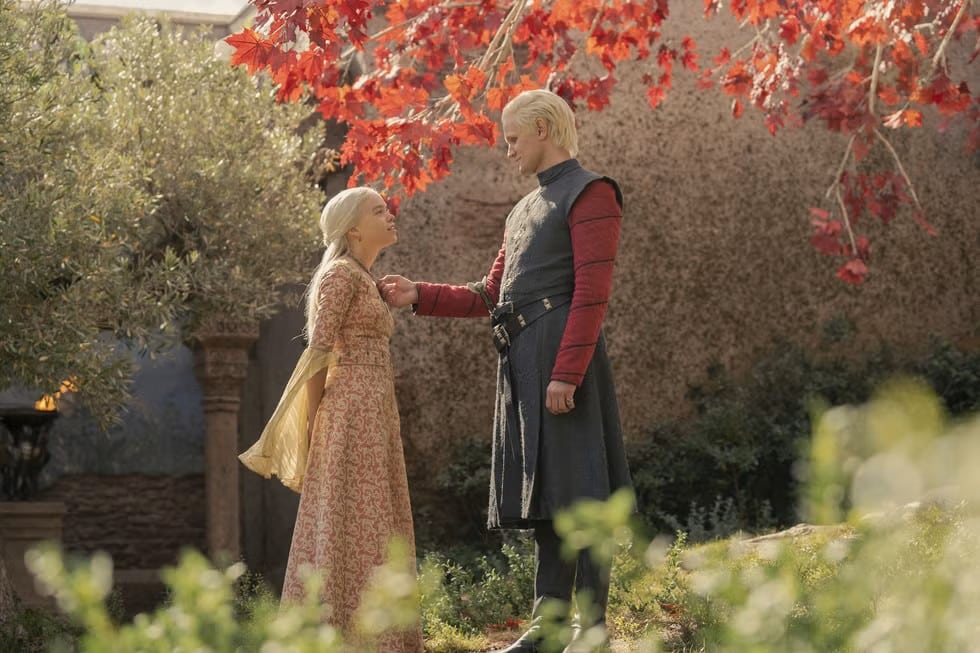
The wealth and supremacy of House Targaryen became her starting point.
«The Targaryens were extremely wealthy,» she said. «I focused on Renaissance and Byzantine elements to show how rich they were.»
Byzantine art proved particularly influential. Glittering mosaics, religious iconography, intricate embroidery and golden halos all found their way into the costumes worn by the ruling dragon dynasty.
The result is a wardrobe that feels both timeless and unmistakably regal.
Every Colour Tells a Story
Costumes in House of the Dragon are never simply beautiful — they are political. Every colour signals allegiance.
As Westeros fractures into two rival factions, clothing becomes one of the most effective storytelling devices on screen.
Team Black
Queen Rhaenyra Targaryen embodies authority through deep black garments accented with crimson, representing both mourning and the enduring strength of House Targaryen. Her costumes evolve from ceremonial gowns into increasingly practical battle attire as the civil war intensifies.
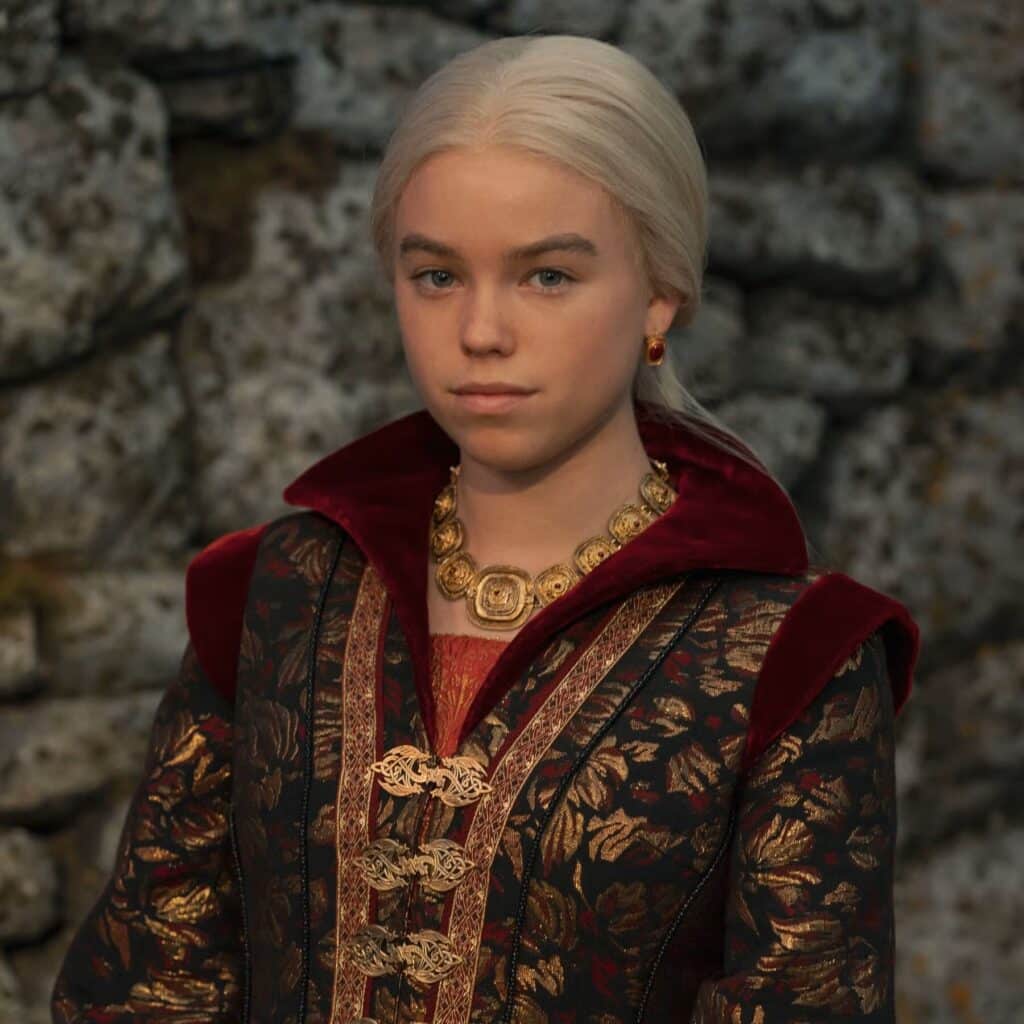
Rich leather, dragon-scale textures and structured silhouettes reinforce her image as a monarch preparing not only to rule but to fight.
Team Green
Across the battlefield, Queen Alicent Hightower embraces deep emerald velvets, elaborate embroidery and austere tailoring.
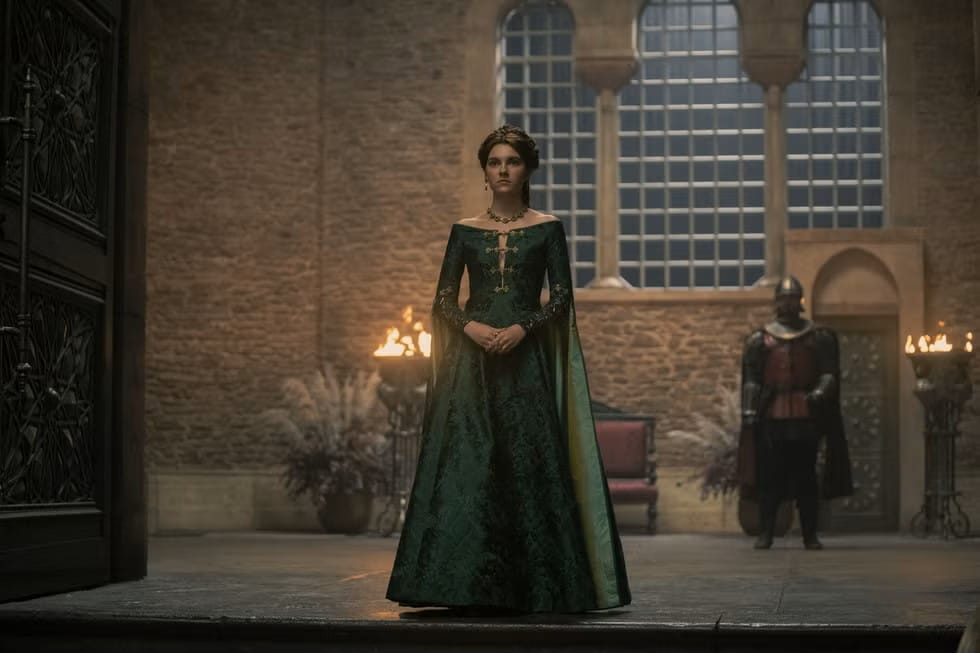
The green palette reflects both House Hightower and the religious symbolism of the Faith of the Seven, reinforcing Alicent’s commitment to order, tradition and legitimacy.
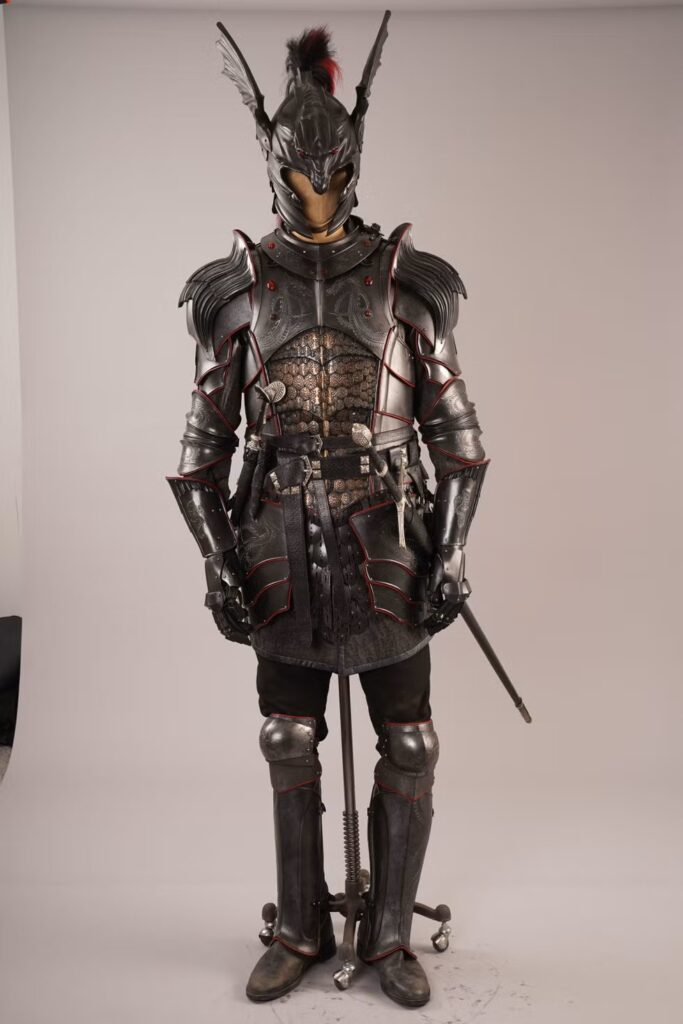
Her son Aemond Targaryen mirrors this visual language through military-inspired armour accented with green detailing and sharp geometric lines that project discipline and relentless ambition.
The opposing wardrobes ensure that audiences instantly recognise political loyalties—even before a character speaks.
Armour as Fashion
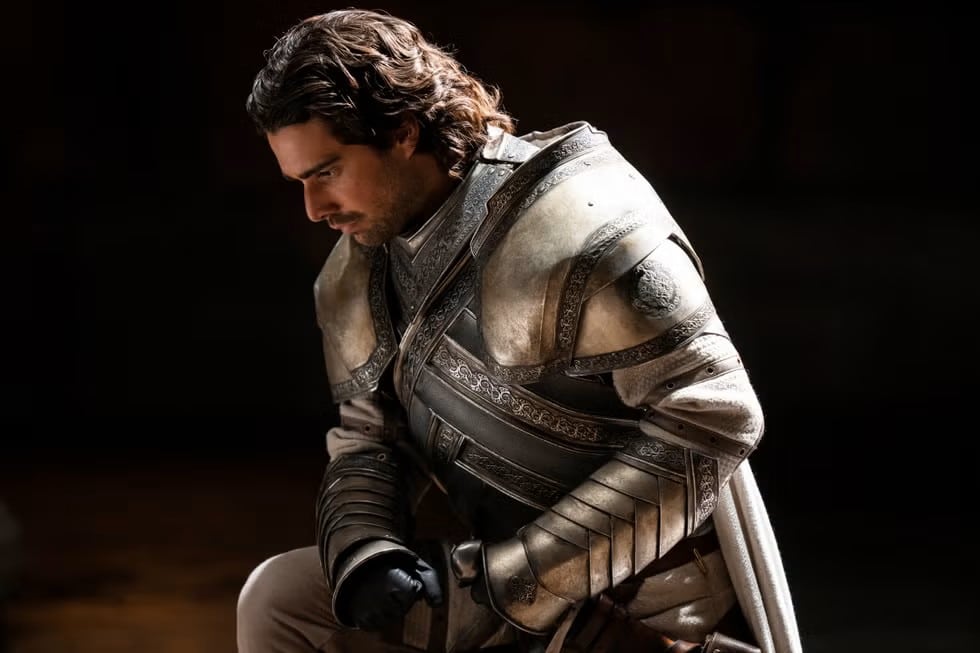
Some of the series’ most memorable designs aren’t dresses at all.
For Temime, armour represented one of the most exciting creative opportunities.
«I love armour because you can really get creative,» she said. «It’s something you put on top of your body to create another body.»
Unlike modern military equipment, medieval armour also functioned as status, theatre and personal branding.
In House of the Dragon, every engraved breastplate, dragon crest and leather shoulder guard reinforces social hierarchy and personality.
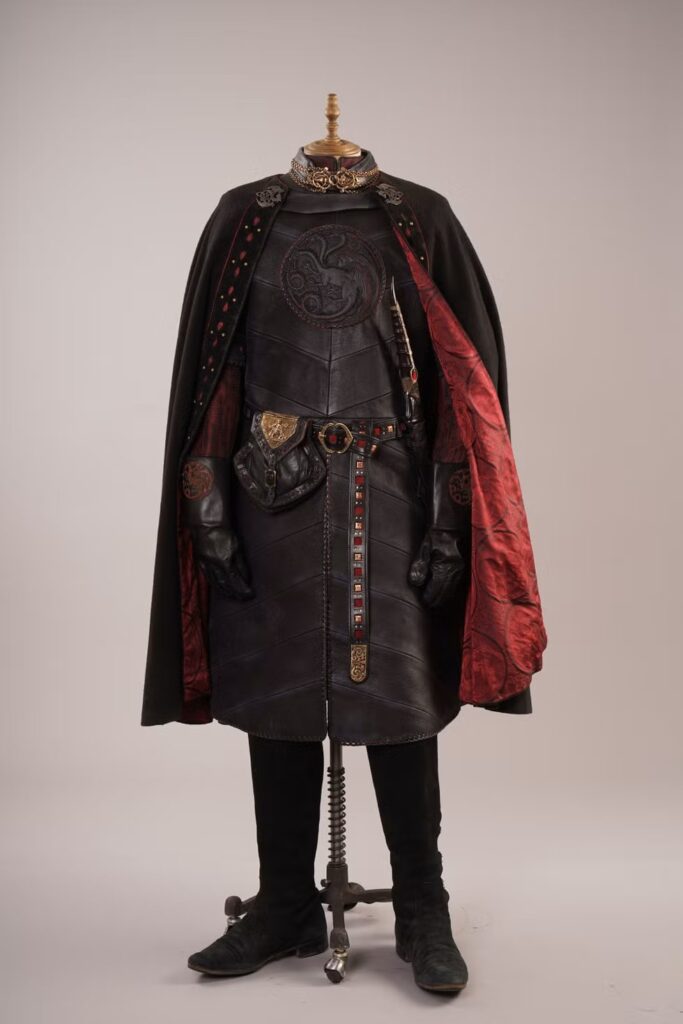
Prince Daemon Targaryen, portrayed by Matt Smith, wears dark leather armour that balances practicality with intimidation. Minimal decoration reflects his ruthless, battle-hardened personality, while his silhouette projects confidence even before he speaks.
King Aegon II, by contrast, appears in ornate robes embroidered with gold, layered ceremonial fabrics and lavish detailing that communicate inherited privilege more than earned authority.
Each design becomes an extension of character.
The Crown Jewel: Rhaenyra’s Investiture Gown
Among the hundreds of costumes created for the series, one remains particularly significant.
When young Rhaenyra is formally declared heir to the Iron Throne, she appears in a magnificent ceremonial gown crowned by an elaborate golden headpiece.
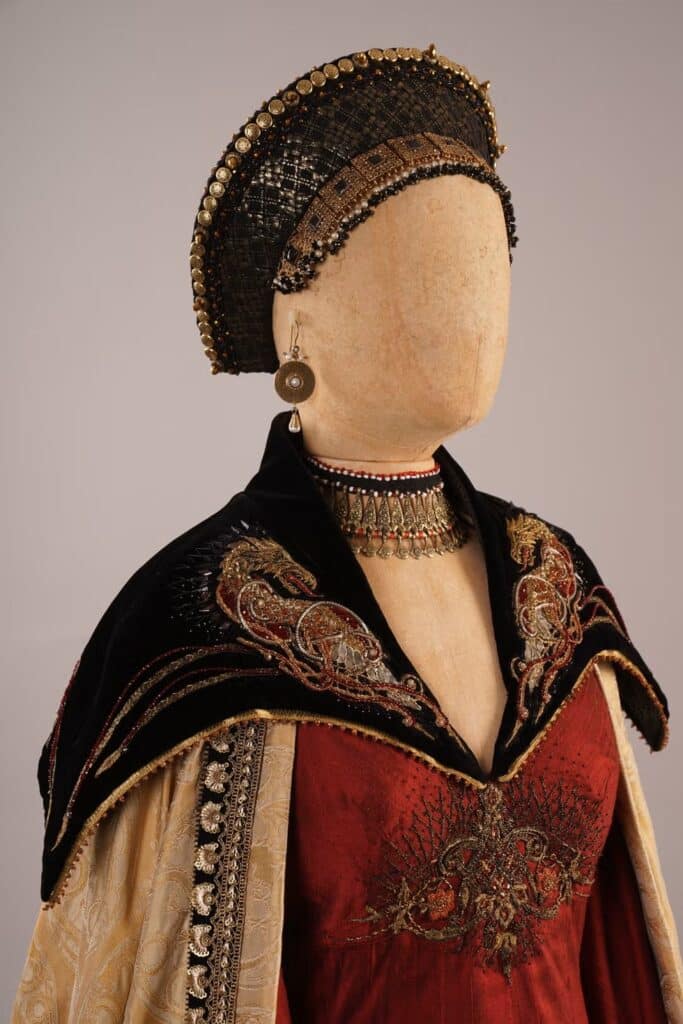
Temime envisioned the ensemble as an ancient royal garment passed from one generation of Targaryens to the next.
«The headpiece was my inspiration,» she explained. «It draws on those ancient mosaics and the big gold halos you see in Byzantine churches.»
The costume immediately establishes Rhaenyra’s legitimacy, not only through dialogue, but visually.
It is one of the defining fashion moments of the entire series.
_____________________________________
House of the Dragon Season 3 Episode Guide
Season 3 consists of eight episodes, each charting the escalating conflict of the Dance of the Dragons. Below is the complete episode guide, including episode titles, writers and scheduled release dates.
- Episode 1 – «The Gullet»
Written by: Ryan Condal
Release date: June 21, 2026
The season opens with the long-awaited Battle of the Gullet, one of the war’s bloodiest naval battles. The episode also marks the tragic death of Jacaerys Velaryon and his dragon, Vermax. - Episode 2 – «The Gold Cloaks»
Written by: Sara Hess
Release date: June 28, 2026
The focus shifts to King’s Landing, where the City Watch, known as the Gold Cloaks, plays a crucial role in the growing political turmoil. - Episode 3 – «Blood Calls to Blood»
Written by: Sara Hess
Release date: July 5, 2026
As the civil war intensifies, both Team Black and Team Green suffer devastating losses while the conflict spreads across Westeros. - Episode 4 – «The Daring»
Written by: David Hancock
Release date: July 12, 2026
A new chapter in the war unfolds as bold military campaigns and dangerous alliances reshape the balance of power. - Episode 5 – «Fishfeed»
Written by: Philippa Goslett
Release date: July 19, 2026
The story turns to one of the Dance of the Dragons’ largest land battles, where rival armies clash with heavy casualties. - Episode 6 – «The Honeywine»
Written by: David Hancock and Shyam Popat
Release date: July 26, 2026
The conflict reaches the Reach as another pivotal battle influences the future of both factions. - Episode 7 – «The Cannibal»
Written by: Philippa Goslett and Zenzele Price
Release date: August 2, 2026
Named after the legendary wild dragon Cannibal, the episode explores one of Westeros’ most feared mythical creatures while tensions continue to rise. - Episode 8 – «Tumbleton»
Written by: Ryan Condal and Ti Mikkel
Release date: August 9, 2026 The season finale brings viewers to Tumbleton, one of the darkest and most decisive chapters of the Dance of the Dragons, setting the stage for the next phase of the war.
_______________________________________
The Making of a Fantasy Wardrobe: Inside the Costume Department
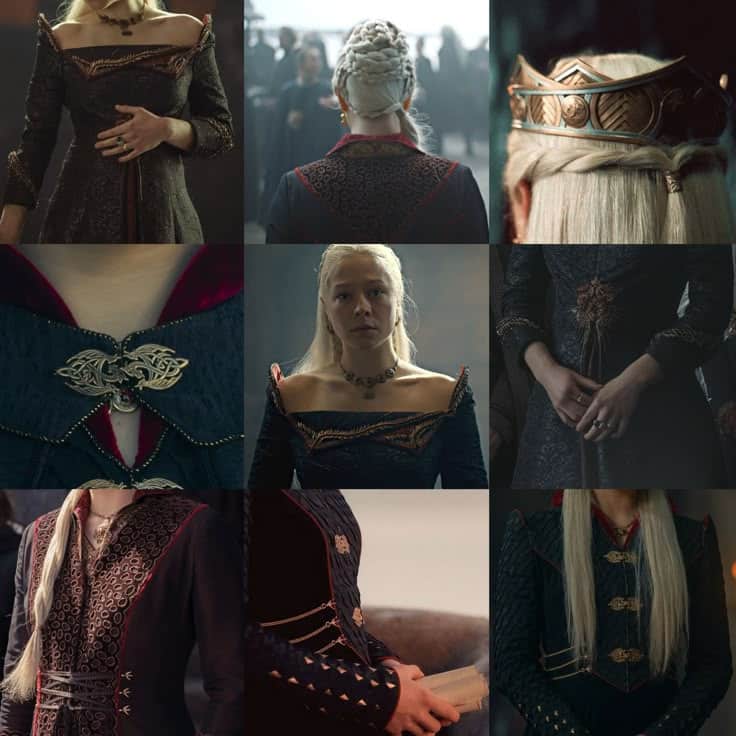
When audiences watch House of the Dragon, it’s easy to forget that every scene represents months of meticulous craftsmanship. Behind the sweeping cloaks, dragon-scale armour and embroidered gowns stands one of television’s largest costume departments, where hundreds of artists, leatherworkers, embroiderers and metal specialists transformed sketches into wearable history.
For the first season alone, costume designer Jany Temime oversaw a team of between 150 and 170 people working simultaneously across multiple filming units.
«We had two to three units shooting at the same time,» Temime recalled. «I had my little electric car running from one set to the other.»
The numbers are staggering. Around 2,000 costumes were created for supporting performers and extras, while principal characters received more than 300 bespoke designs, each carefully tailored to reflect rank, personality and political allegiance.
Yet quantity never came at the expense of detail.
Nothing Was Meant to Look New
One of the greatest challenges in fantasy filmmaking is making an imaginary world feel authentic.
Freshly stitched fabrics and polished armour might look beautiful in a showroom, but they can immediately break the illusion on screen.
Instead, Temime’s team devoted weeks to making every garment appear as though it had lived through generations of royal ceremonies, wars and dragon flights.
«I had about 20 people helping me with breaking in garments and dyeing,» she explained.
Velvets were faded by hand. Linen was softened repeatedly. Leather was aged, distressed and polished. Metallic finishes were dulled where armour would naturally rub against weapons or saddles.
Extensive embroidery was added by hand, while subtle colour variations gave every piece the appearance of genuine wear.
Rather than looking like costumes, the clothes became believable possessions.
It’s a painstaking process that viewers rarely notice consciously, but without it, Westeros would lose much of its realism.
Dressing a Queen
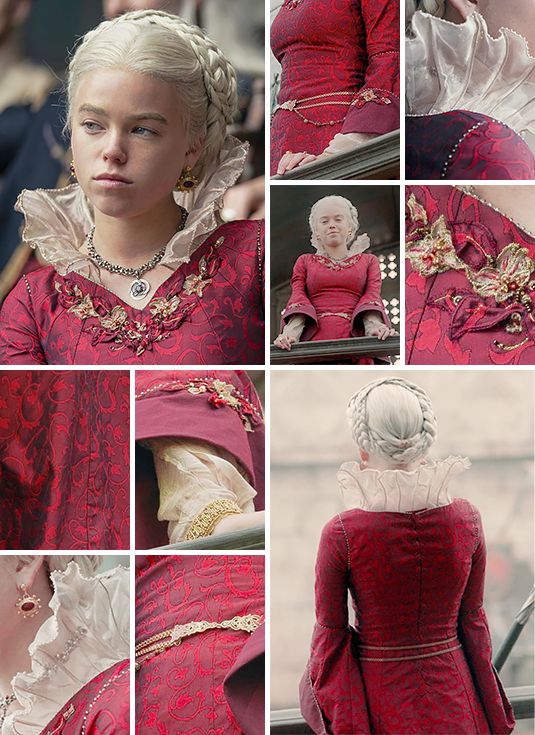
No character’s wardrobe evolves more dramatically than Rhaenyra Targaryen.
In the early episodes, her gowns reflect youth, optimism and royal ceremony. Rich fabrics flow elegantly through palace corridors, while intricate jewellery reinforces her status as King Viserys I’s chosen heir.
As the conflict intensifies, however, the wardrobe transforms alongside the queen herself.
By Season 3, Rhaenyra’s costumes have become noticeably darker, heavier and more structured. Black remains the dominant colour, complemented by crimson details that reinforce her Targaryen heritage. Armour gradually replaces ceremonial robes as she prepares for prolonged war, reflecting a monarch shaped by loss and responsibility rather than courtly tradition.
Her costumes never abandon elegance, but they increasingly communicate resilience instead of luxury.
Daemon Targaryen: Built for Battle
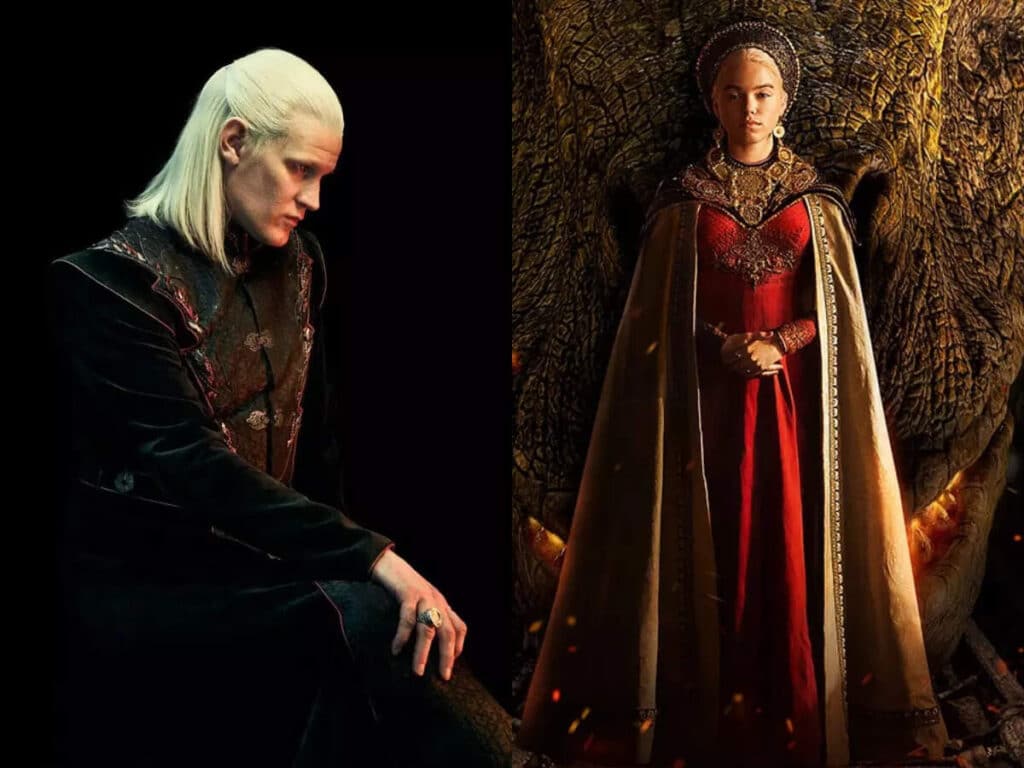
If Rhaenyra’s wardrobe symbolises authority, Daemon Targaryen’s represents controlled danger.
Matt Smith‘s Rogue Prince has become one of the series’ most visually recognisable characters thanks to his restrained yet intimidating costume design.
His armour relies heavily on dark leather, subtle dragon motifs and practical construction rather than excessive ornamentation.
Season 3 pushes this military aesthetic even further as Daemon spends more time on campaign than at court. His battle armour appears increasingly worn, scarred and functional, mirroring both the brutality of the Dance of the Dragons and Daemon’s own psychological journey.
Temime has often described armour as another layer of anatomy.
«It’s something you put on top of your body to create another body.»
Few characters demonstrate that philosophy better than Daemon.
The Unexpected Fashion Statement
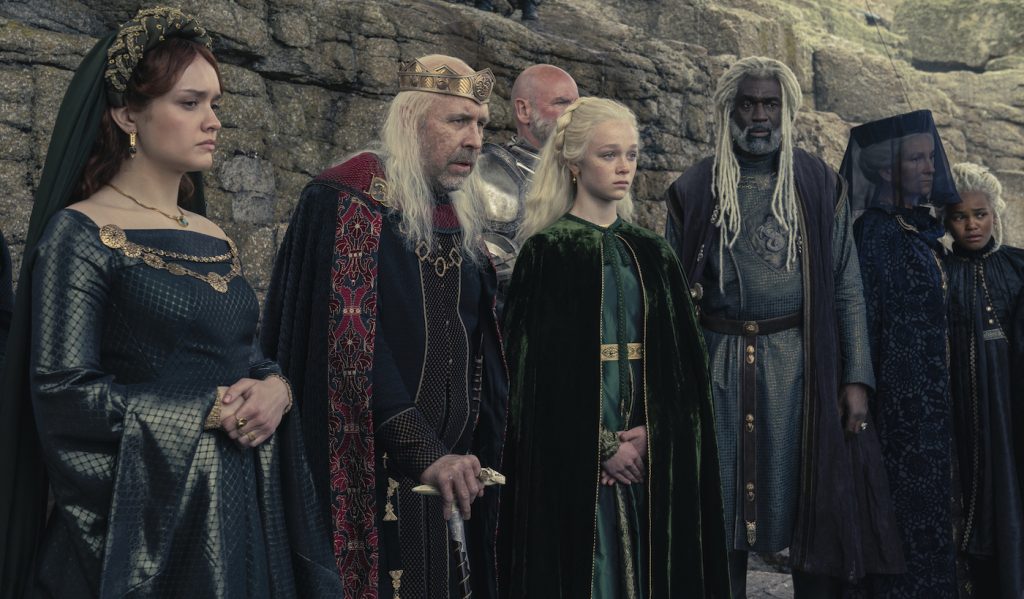
Not every design idea made it to the final screen.
One of Temime’s favourite concepts was surprisingly unconventional: dressing Westeros’ warriors in knee-length skirts inspired by Japanese samurai armour.
«I think nothing is sexier than a man in a skirt,» she laughed.
Matt Smith enthusiastically embraced the idea during fittings.
«He started walking with it… turning with it… he loved it.»
Although the final costumes evolved, the influence remains visible in several layered battle garments and leather panels that allow freedom of movement while preserving an imposing silhouette.
The anecdote perfectly illustrates Temime’s willingness to look beyond traditional medieval references, blending influences from different cultures into something entirely original.
Costumes That Transform Performance
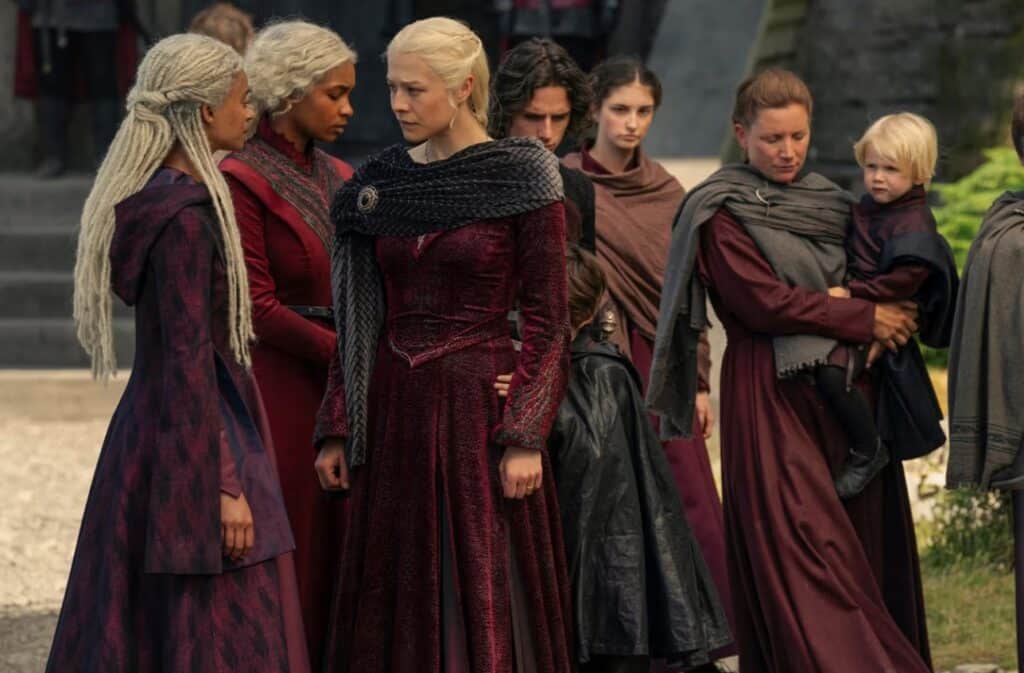
The clothes didn’t simply change how characters looked, they changed how actors moved.
Temime describes costume as an essential part of performance.
Modern clothing encourages relaxed posture and casual movement. Historical garments demand something different.
«When you put men in gorgeous fabrics with a belt on the hips and boots, suddenly they move differently.»
The transformation wasn’t limited to male actors.
«The girls were gorgeous,» Temime said. «Suddenly they were walking like ladies.»
Many younger cast members had rarely worn structured historical clothing before filming. The costumes became an important tool in developing each character’s physical identity, influencing gestures, posture and even confidence.
A New Era of Costume Design
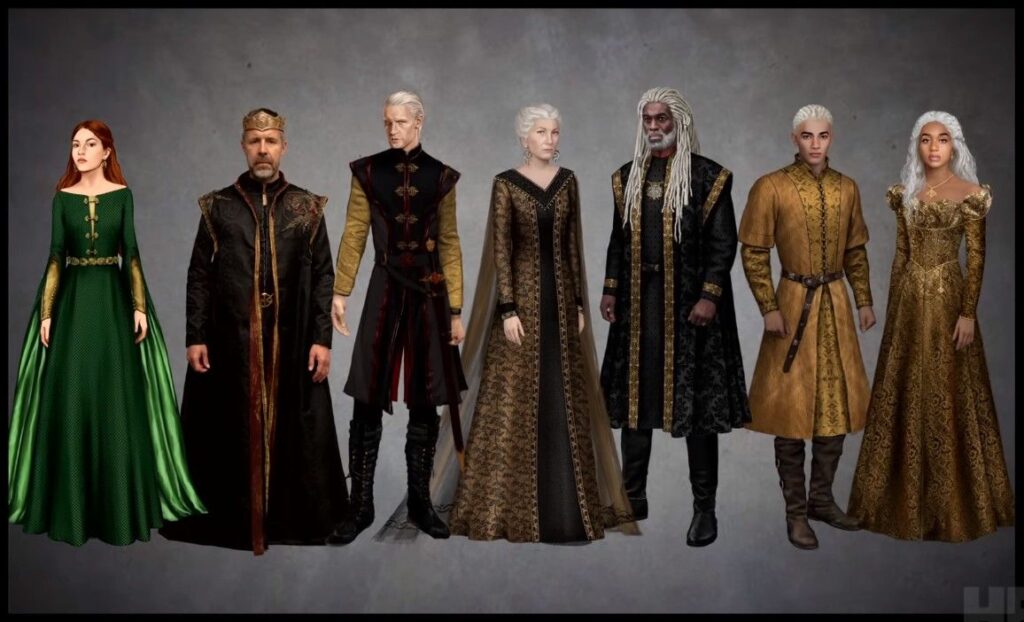
Following Season 1, costume designer Caroline McCall inherited one of television’s most celebrated fantasy wardrobes.
Rather than reinventing the series’ visual identity, McCall expanded it as the conflict deepened.
Season 2 introduced increasingly militarised silhouettes, darker colour palettes and more practical battlefield attire.
Season 3 pushes these developments even further. Armour becomes more prominent than ceremonial dress, reflecting the devastating toll of civil war. Battle-worn textures, damaged leather and reinforced dragonrider equipment replace much of the earlier courtly elegance, while each faction’s visual identity remains instantly recognisable.
Despite the changing creative leadership, the transition feels seamless, a testament to the strength of the original costume language established for the series.
_______________________________________
House of the Dragon Season 3 Cast: Every Confirmed Character and Actor
Returning Cast
- Matt Smith as Daemon Targaryen – Team Black’s legendary Rogue Prince and rider of Caraxes.
- Emma D’Arcy as Rhaenyra Targaryen – The Dragon Queen, leader of Team Black and rider of Syrax.
- Olivia Cooke as Alicent Hightower – Queen Dowager, mother of Aegon II and one of Team Green’s leading figures.
- Tom Glynn-Carney as Aegon II Targaryen – Team Green’s king and rider of Sunfyre.
- Ewan Mitchell as Aemond Targaryen – The one-eyed prince who commands Vhagar, the largest living dragon.
- Fabien Frankel as Ser Criston Cole – Lord Commander of the Kingsguard and one of Team Green’s most loyal warriors. His story is expected to conclude this season.
- Harry Collett as Jacaerys Velaryon – Rhaenyra’s eldest son, whose fate is tied to the Battle of the Gullet in Episode 1.
- Steve Toussaint as Corlys Velaryon – The Sea Snake and Lord of Driftmark, remaining a key supporter of Team Black.
- Phia Saban as Helaena Targaryen – Aegon II’s wife, known for her prophetic visions. Her character is also expected to meet a tragic fate.
- Rhys Ifans as Otto Hightower – Former Hand of the King and Alicent’s father, whose political journey nears its end.
- Bethany Antonia as Baela Targaryen – Daemon’s daughter and rider of Moondancer.
- Phoebe Campbell as Rhaena Targaryen – Baela’s twin sister and a loyal member of Team Black.
- Sonoya Mizuno as Mysaria – Daemon’s former lover and trusted spymaster.
- Gayle Rankin as Alys Rivers – The mysterious woman whose connection with Daemon deepens at Harrenhal.
- Kieran Bew as Hugh Hammer – One of the Dragonseeds whose actions shape the betrayal at Tumbleton.
- Abubakar Salim as Alyn of Hull – Dragonseed and the rumored son of Corlys Velaryon.
- Clinton Liberty as Addam of Hull – Dragonseed and rider of Seasmoke.
- Tom Bennett as Ulf White – Targaryen bastard whose betrayal changes the course of the war at Tumbleton.
New Season 3 Cast
- James Norton as Lord Ormund Hightower – Alicent’s uncle, Lord of Oldtown and a major commander for Team Green.
- Tommy Flanagan as Roderick Dustin – A northern lord fighting for Team Black and a fan-favourite character from George R. R. Martin’s novels.
- Dan Fogler as Torrhen Manderly – Another influential northern lord supporting Rhaenyra.
- Tom Cullen as Luthor Largent – Senior Gold Cloak officer aligned with Team Green.
- Barry Sloane as Adrian Redfort – Knight fighting alongside Team Black.
- Annie Shapero as Alysanne Blackwood – A fearless Blackwood warrior and one of Team Black’s newest allies.
The Costumes That Define Westeros: A Character-by-Character Style Guide
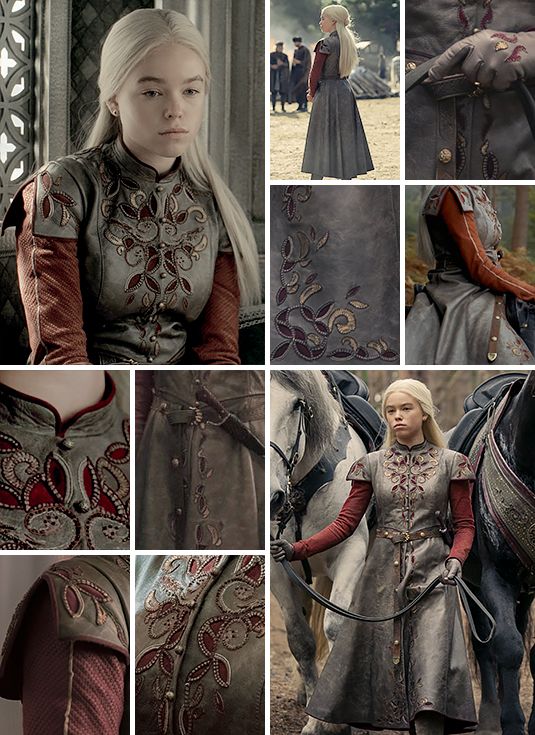
Beyond dragons and political intrigue, House of the Dragon has become one of television’s most visually striking productions because every costume tells a story before a single word is spoken.
From Queen Rhaenyra’s increasingly battle-ready wardrobe to Alicent Hightower’s austere royal gowns, each design reflects the emotional and political journey of its wearer.
As the Dance of the Dragons reaches its bloodiest chapters, clothing becomes armour in every sense of the word.
Rhaenyra Targaryen: The Dragon Queen
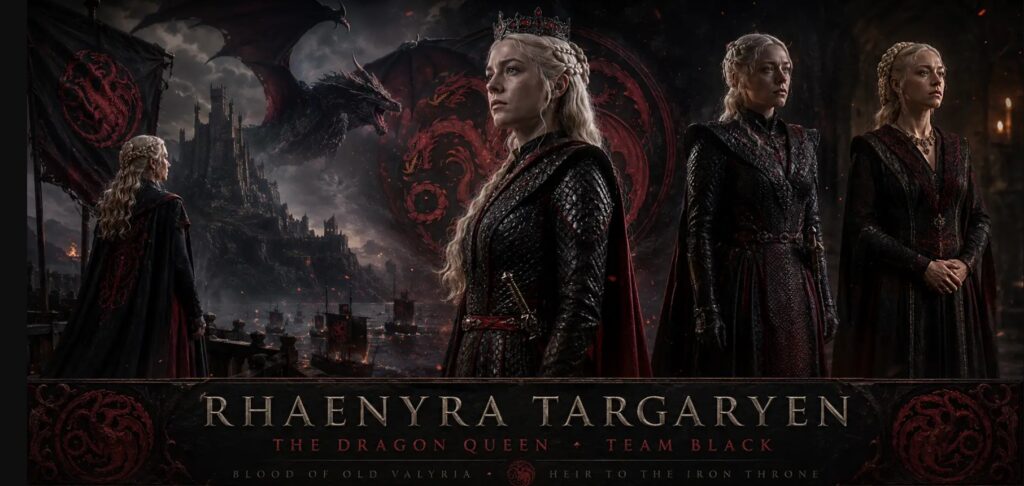
Emma D’Arcy‘s Rhaenyra undergoes perhaps the series’ most remarkable costume evolution.
The young princess introduced in the first season wears flowing gowns in muted greys, soft golds and traditional Targaryen colours. As she grows into the rightful heir to the Iron Throne, her silhouette becomes stronger, sharper and unmistakably regal.
By Season 3, nearly every outfit communicates leadership under pressure. Black dominates her wardrobe, enriched by crimson embroidery, dragon-scale textures and structured leather details that reinforce both her authority and her readiness for war.
Large collars, dramatic cloaks and sculptural shoulders give Rhaenyra an almost mythical presence whenever she enters a room.
Rather than relying on elaborate jewellery, her costumes increasingly let craftsmanship speak for itself.
The effect is powerful without appearing extravagant.
Daemon Targaryen: The Rogue Prince
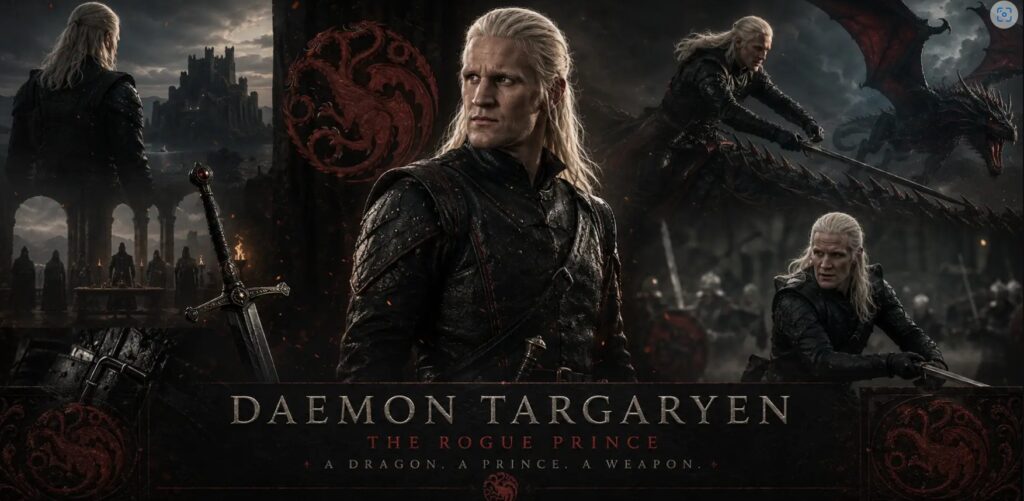
Matt Smith‘s Daemon has become one of television’s most recognisable fantasy characters, thanks in no small part to his wardrobe.
Unlike many rulers in Westeros, Daemon rarely dresses for ceremony.
Instead, his signature look combines dark leather, fitted armour and practical riding gear designed for constant movement.
Minimal ornamentation reflects a man who values action over appearance.
Even when standing beside the Iron Throne, Daemon often appears ready to ride directly into battle.
The simplicity of his costume distinguishes him from the richly decorated nobles surrounding him while reinforcing his reputation as Westeros’ most dangerous dragonrider.
Alicent Hightower: Quiet Power
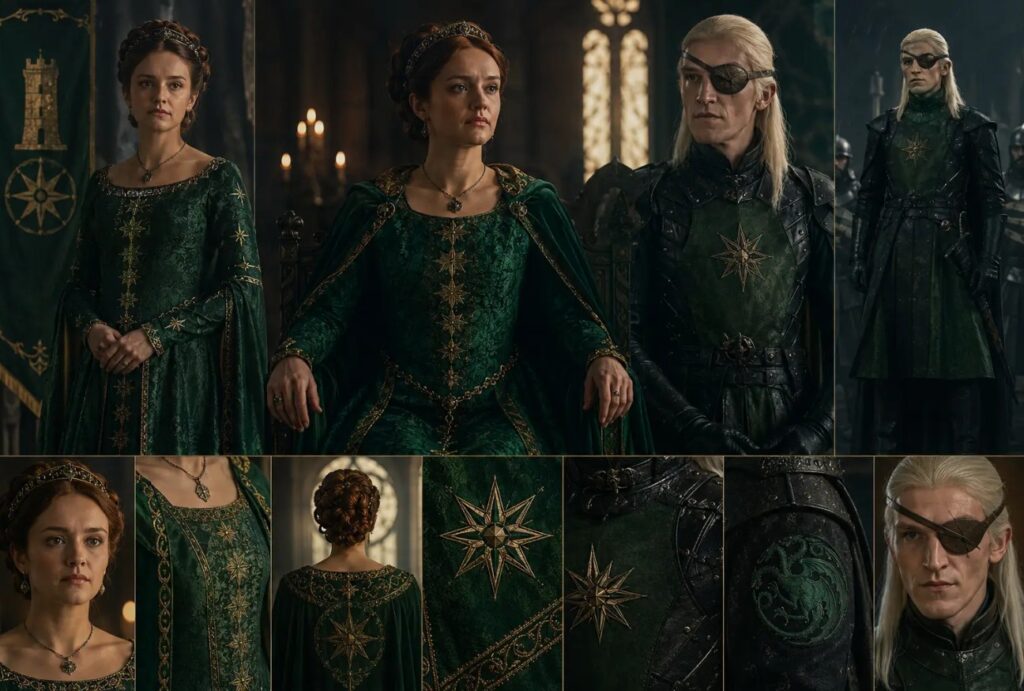
Olivia Cooke‘s Alicent Hightower demonstrates how costume can communicate political ideology.
Her wardrobe rarely seeks attention through excessive decoration.
Instead, it relies upon immaculate tailoring, luxurious velvet and the unmistakable emerald green associated with House Hightower.
The silhouettes are structured, almost architectural.
Long sleeves, high necklines and religious embroidery reinforce Alicent’s belief in order, duty and tradition.
Throughout the series, subtle changes in colour intensity mirror her emotional state—from hopeful queen to exhausted political strategist.
Season 3 introduces darker fabrics and heavier textures, reflecting the mounting human cost of civil war.
Aemond Targaryen: Fear Woven into Fabric
Few costumes immediately project menace like those worn by Ewan Mitchell‘s Aemond.
His wardrobe replaces royal elegance with military precision.
Black steel, emerald accents and sharply sculpted armour create an almost predatory silhouette.
The asymmetry introduced by his famous sapphire eye only enhances the visual impact.
Everything about Aemond’s appearance communicates discipline, obsession and absolute confidence.
Even without dialogue, audiences understand they are looking at one of Westeros’ most formidable warriors.
Aegon II: A King of Excess
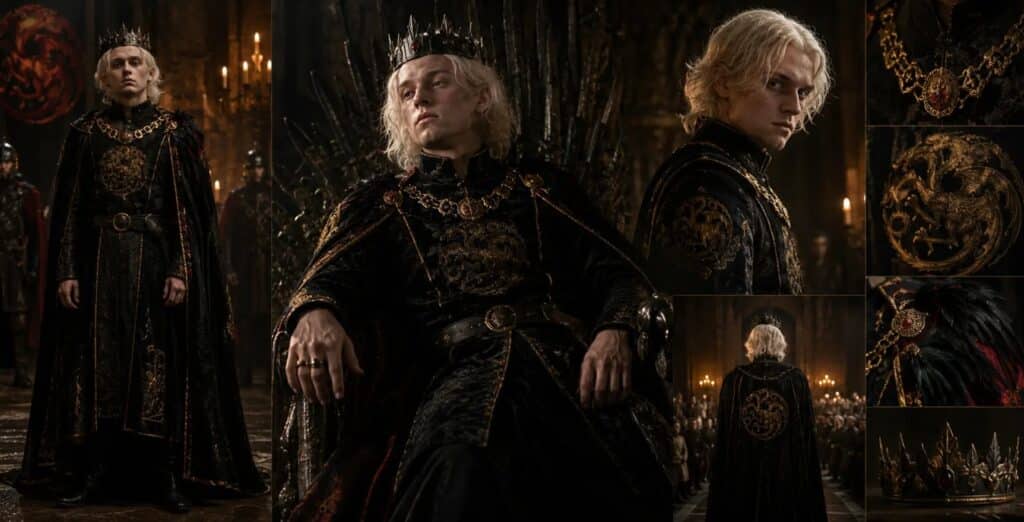
Where Aemond dresses like a soldier, Aegon dresses like a monarch determined to be seen.
Gold embroidery dominates his wardrobe.
- Heavy chains.
- Layered robes.
- Decorative feathers.
- Luxurious fabrics.
His clothing projects inherited wealth and royal privilege, yet beneath the opulence lies carefully constructed visual irony.
Compared with the practical armour worn by Rhaenyra and Daemon, Aegon’s elaborate ceremonial attire often highlights his political insecurity rather than his strength.
The Next Generation of Dragonriders
Season 3 introduces new dragonriders, commanders and nobles whose costumes expand the visual vocabulary of Westeros.
Characters such as Hugh Hammer, Addam of Hull, Alyn of Hull, Ulf White and Alysanne Blackwood bring fresh textures, regional influences and military styles to the screen.
Unlike the polished nobility of King’s Landing, many of these new costumes incorporate rough leather, weathered cloaks and simpler tailoring that reflects their different social origins.
Their wardrobes visually reinforce one of Season 3’s central themes: dragons are no longer reserved for royalty.
Crowns, Jewellery and the Language of Power
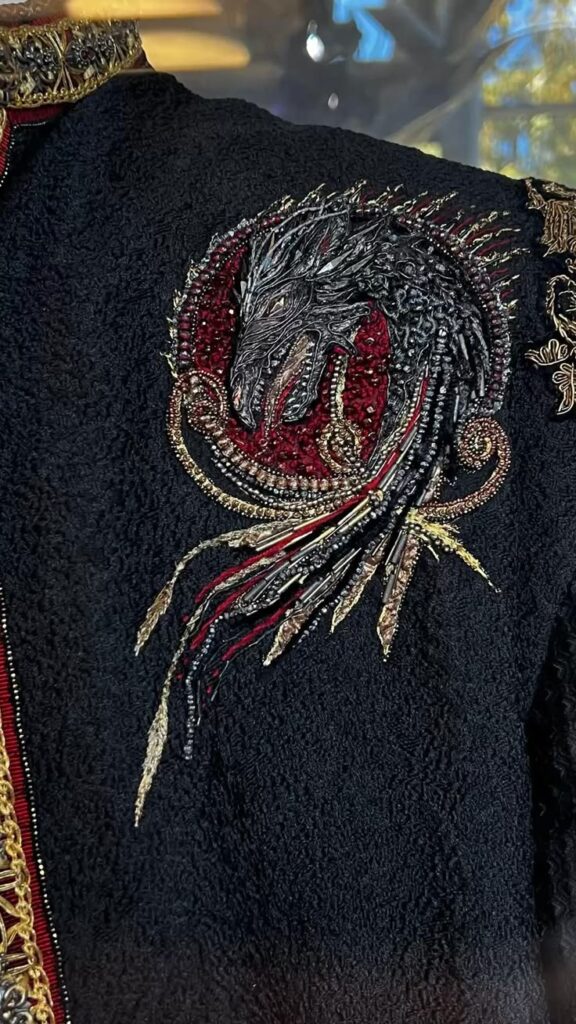
- Costumes extend well beyond clothing.
- Throughout the series, crowns, necklaces, brooches and rings quietly reinforce lineage and legitimacy.
- Dragon motifs appear repeatedly in clasps, buckles and embroidery.
- House sigils become wearable political statements.
Even hairstyles evolve alongside costumes, particularly among the Targaryens, whose distinctive silver hair remains one of the franchise’s defining visual signatures.
Rhaenyra’s ceremonial crown, Alicent’s restrained jewellery and Aegon’s lavish regalia all communicate different philosophies of leadership.
Nothing is accidental.
Why House of the Dragon Sets a New Standard
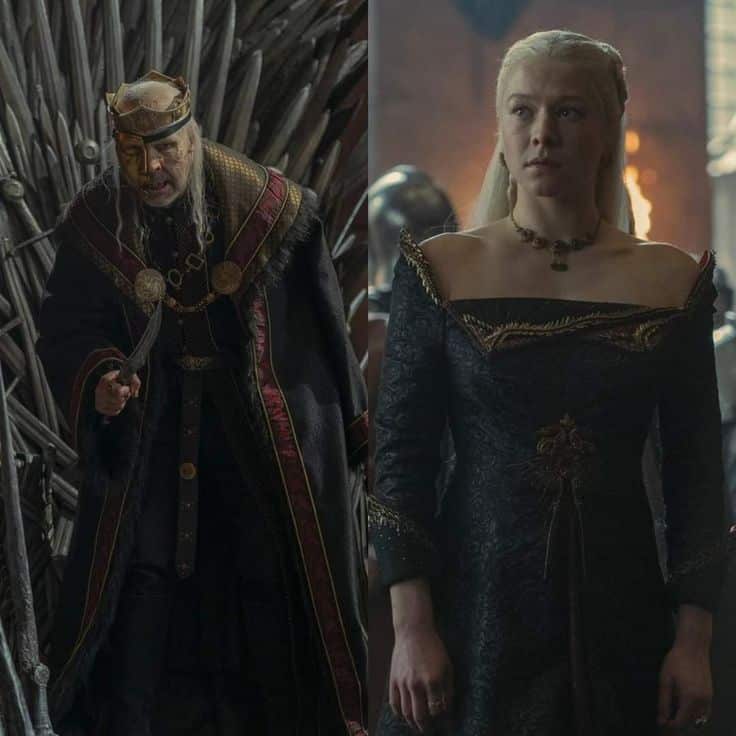
Fantasy productions have always relied on spectacular costumes.
Yet House of the Dragon distinguishes itself by ensuring every design serves the story.
The wardrobe never exists merely to impress viewers.
Instead, it reveals personality, political allegiance, family history and emotional transformation.
The costumes are as carefully written as the dialogue.
Looking back on the completed first season, Jany Temime admitted that the pressure had been immense.
«Now that we’re looking back on the finished show, I think, ‘Oh, my God, it looks good!'»
She also credits the actors for bringing the wardrobe to life.
«When you have a beautiful cast, half your work is done.»
That combination of remarkable performers, extraordinary craftsmanship and meticulous world-building has transformed House of the Dragon into one of television’s most visually accomplished dramas.
Every cloak, every embroidered dragon, every weathered piece of armour contributes to a world that feels authentic despite existing only in imagination.
As the civil war intensifies and Westeros descends further into chaos, the costumes continue to evolve alongside the characters, proof that in House of the Dragon, fashion is never simply decoration.
————————————-
Frequently Asked Questions
What are the House of the Dragon Season 3 cast outfits like?
The costumes in Season 3 reflect the escalating civil war between Team Black and Team Green. Rhaenyra Targaryen wears darker, armour-inspired gowns, Daemon Targaryen adopts practical battle attire, while Alicent Hightower and Team Green continue to favour elegant green-and-gold royal clothing. Every costume is designed to reflect each character’s personality, loyalty and status.
Who dies in House of the Dragon Season 3?
Season 3 opens with several major deaths during the Battle of the Gullet, including Jacaerys Velaryon and his dragon Vermax. As the Dance of the Dragons intensifies, additional key characters are expected to meet tragic ends throughout the season.
When did House of the Dragon Season 3 premiere?
Season 3 premiered on 21 June 2026 on HBO and Max, with new episodes released weekly.
What happened in House of the Dragon Season 3 Episode 1?
Episode 1, titled The Gullet, adapts one of the largest naval battles in Westerosi history. During the battle, Jacaerys Velaryon and his dragon Vermax are killed, delivering a devastating blow to Team Black. The premiere received widespread critical acclaim, with many reviewers calling it one of the strongest episodes of the series.
What is the House of the Dragon Season 3 release schedule?
The third season consists of eight episodes, airing weekly from 21 June to 9 August 2026, with the finale, Tumbleton, concluding the season.
Who is in the House of the Dragon Season 3 cast?
Returning stars include Emma D’Arcy, Matt Smith, Olivia Cooke, Tom Glynn-Carney, Ewan Mitchell, Steve Toussaint, Fabien Frankel, Phia Saban, Rhys Ifans, Bethany Antonia, Phoebe Campbell, Sonoya Mizuno and several other returning cast members. Season 3 also introduces James Norton, Tommy Flanagan, Dan Fogler, Tom Cullen, Barry Sloane and Annie Shapero.
How is Rhaenyra Targaryen related to Daenerys Targaryen?
Rhaenyra Targaryen lived around 170 years before Daenerys Targaryen. She is one of Daenerys’ ancestors and a member of the same royal bloodline, although many generations separate them.
Is Jon Snow actually Aegon Targaryen?
Yes. In Game of Thrones, Jon Snow’s true birth name is revealed to be Aegon Targaryen, the legitimate son of Rhaegar Targaryen and Lyanna Stark, making him a direct descendant of House Targaryen.
Who founded the Targaryen dynasty seen in House of the Dragon?
The Targaryen dynasty in Westeros was established by Aegon I Targaryen, better known as Aegon the Conqueror, who united the Seven Kingdoms with the help of his sister-wives, Visenya and Rhaenys, and their dragons. House of the Dragon takes place roughly a century after his reign.
Where can I watch House of the Dragon Season 3?
House of the Dragon Season 3 is available on HBO and Max in supported regions. In countries where Max is unavailable, the series can be streamed through HBO’s licensed broadcasting and streaming partners.
—————–
Photos: HBO, tvjackets, Pinterest