
Archaeologists have identified Iskandar Tepa in southern Uzbekistan as a possible 2,200-year-old Greek military camp, offering new insights into the eastern frontier of Alexander the Great’s world. Located in Surkhandarya Region, the hilltop site was previously believed to be a small rural settlement. However, recent geophysical surveys and excavations revealed defensive structures, including a surrounding ditch, suggesting it once served a military purpose in the borderlands of ancient Bactria and Sogdiana.
In an exclusive interview with Kursiv Uzbekistan, Dr Ladislav Stančo, head of the Czech-Uzbek archaeological mission, explains why the site represents a completely new type of Hellenistic settlement in Central Asia, how non-destructive methods, including geophysics and remote sensing, helped reveal its hidden structure, and why archaeologists still describe the military camp theory as a scientific hypothesis rather than a proven fact.
— You have been working in Uzbekistan for 25 years. How did this journey begin?
— When we first came to Uzbekistan in 2002, our main interest was the presence of the Greeks in Central Asia after Alexander the Great’s campaign. We wanted to understand how Hellenistic culture influenced this region.
Over time, however, our focus shifted. Instead of focusing solely on the Greeks, we became increasingly interested in the broader archaeological landscape of southern Uzbekistan and, more importantly, in interactions between newcomers and local populations across different historical periods.
Today, we study the landscape as a whole, from prehistory to the medieval period, using modern, mostly non-destructive archaeological methods.
— What is «non-destructive archaeology» that your team uses at this site, and why is it so important?
— Archaeology is, by definition, destructive. Once you excavate a site, the original archaeological layers disappear forever. That is why, over the last several decades, archaeologists have developed methods that allow us to investigate sites without immediately digging them up.
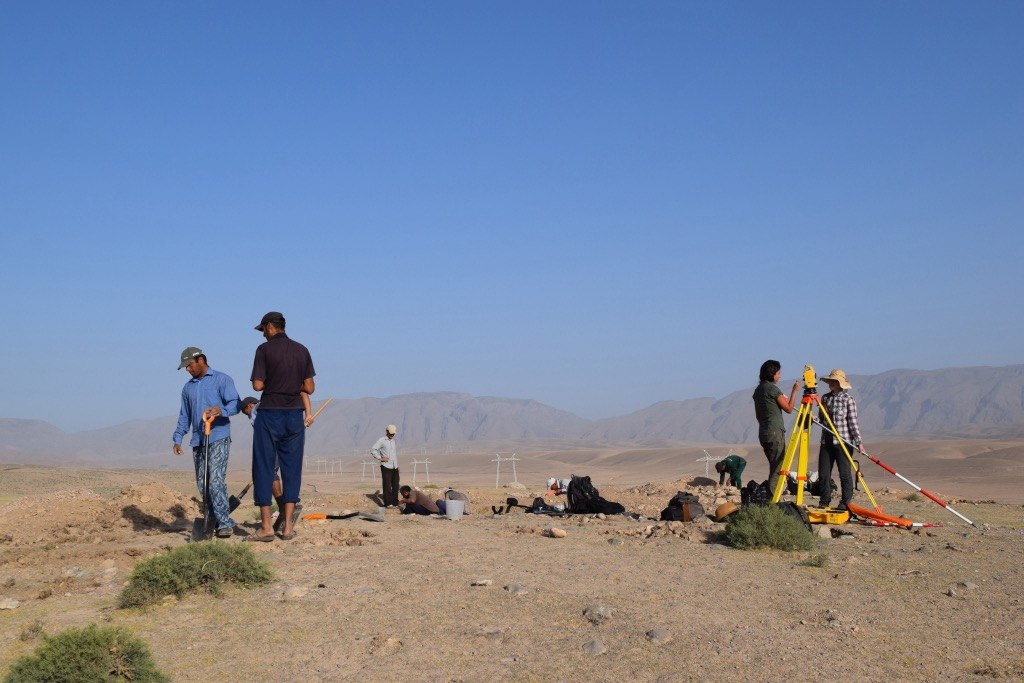
We rely on geophysical surveys, magnetometry, remote sensing, satellite imagery and other techniques to «look beneath the ground» before excavation. Only after gathering sufficient evidence do we open very small, carefully selected trenches to verify our findings.
It is very similar to modern medicine: you first perform an ultrasound or MRI before deciding whether surgery is necessary.
—There are archaeological sites in Uzbekistan. Are they all connected to Greek history?
— Not at all. At first, Greek archaeology attracted us as Classical Archaeologists by training, but today we investigate settlements from many historical periods. We have identified dozens of previously unknown archaeological sites, not only Hellenistic settlements but also Early Iron Age sites, medieval settlements, irrigation systems, metallurgical centres, burial mounds, petroglyphs and many other features across the Surkhandarya region.
Previous archaeological missions mostly concentrated on large cities and famous fortresses. We chose instead to study the countryside, the mountains, the foothills, and the steppe, which had received far less attention.
— Has your research changed our understanding of Uzbekistan’s ancient history?
Our surveys produced a rather unexpected picture. Before Alexander’s arrival, we expected to find numerous rural settlements dating to the Achaemenid Persian Empire. Surprisingly, outside the major fortified sites, there were very few.
Then, suddenly, during the Hellenistic period, settlements appeared across the foothills and steppe. We cannot say these were necessarily Greek settlements. They may have been inhabited by local people.
However, it seems that only after Alexander’s campaign did these previously unused landscapes become populated. This significantly changes our understanding of settlement development in ancient Bactria.
— Why did the Iskandar Tepa site become so important?
We discovered the site during surveys in 2017, as we began a new research project focused on local populations living in the border region between ancient Bactria and Sogdiana.
At first it was simply a small unnamed mound. We jokingly named it Iskandar Tepa, «Alexander’s Hill», because archaeologists sometimes enjoy giving famous names to sites before having enough evidence.
Ironically, a few years later we discovered a silver coin bearing the portrait of Alexander the Great. Although it was minted shortly after his death, around 300 BC, it unexpectedly justified the site’s name.
— What made you return to the site years later?
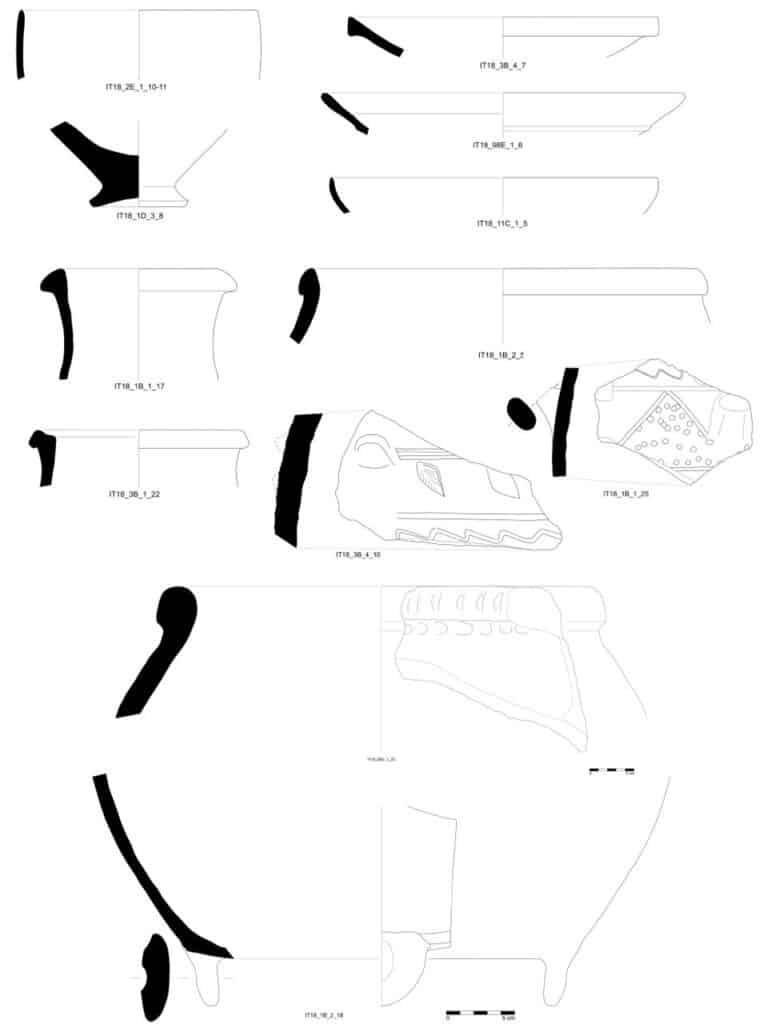
— Our first excavations in 2019 showed that something important was missing. We found storage jars, coins and other artefacts but no buildings.
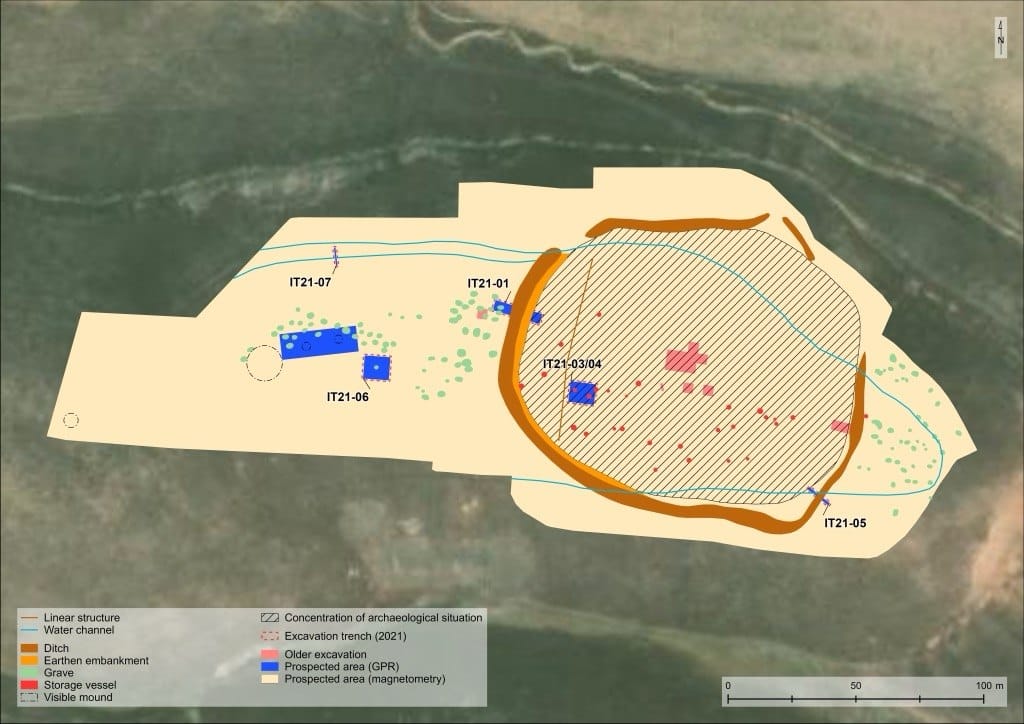
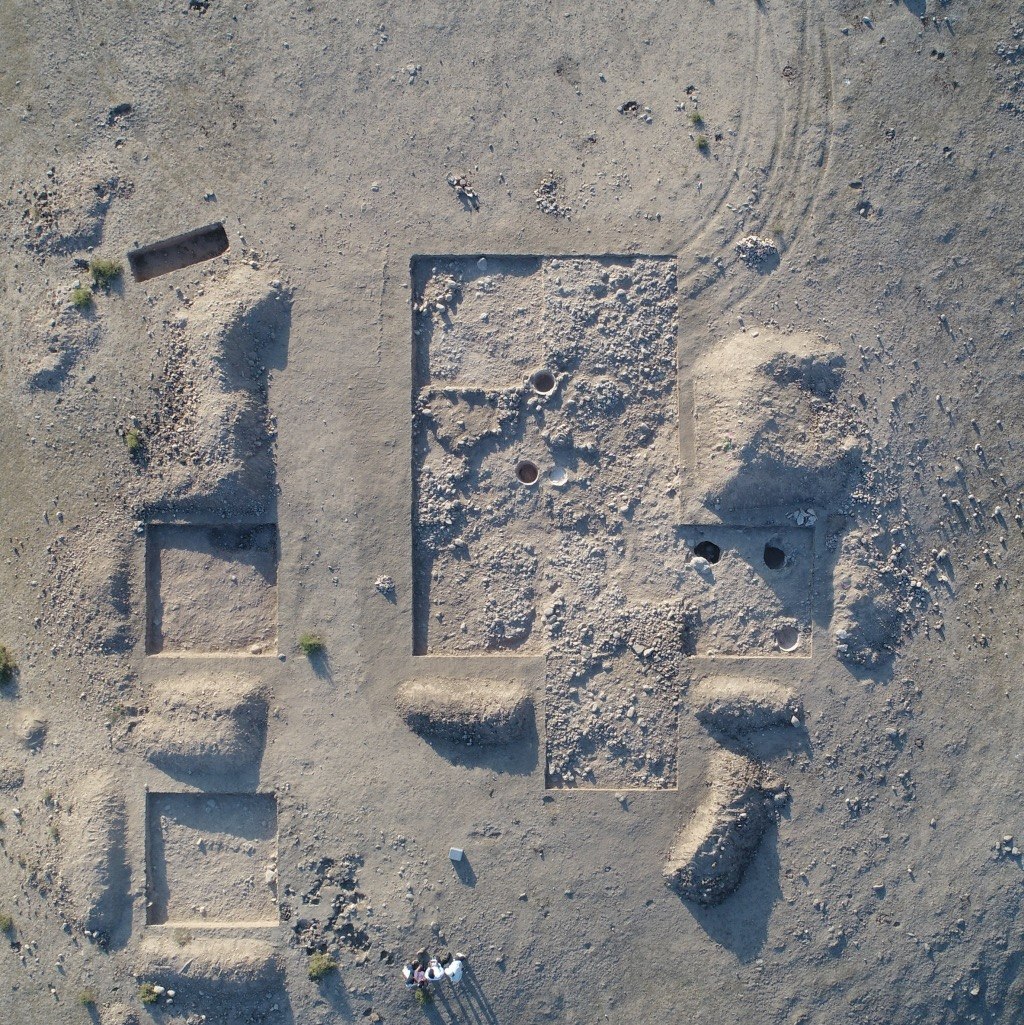
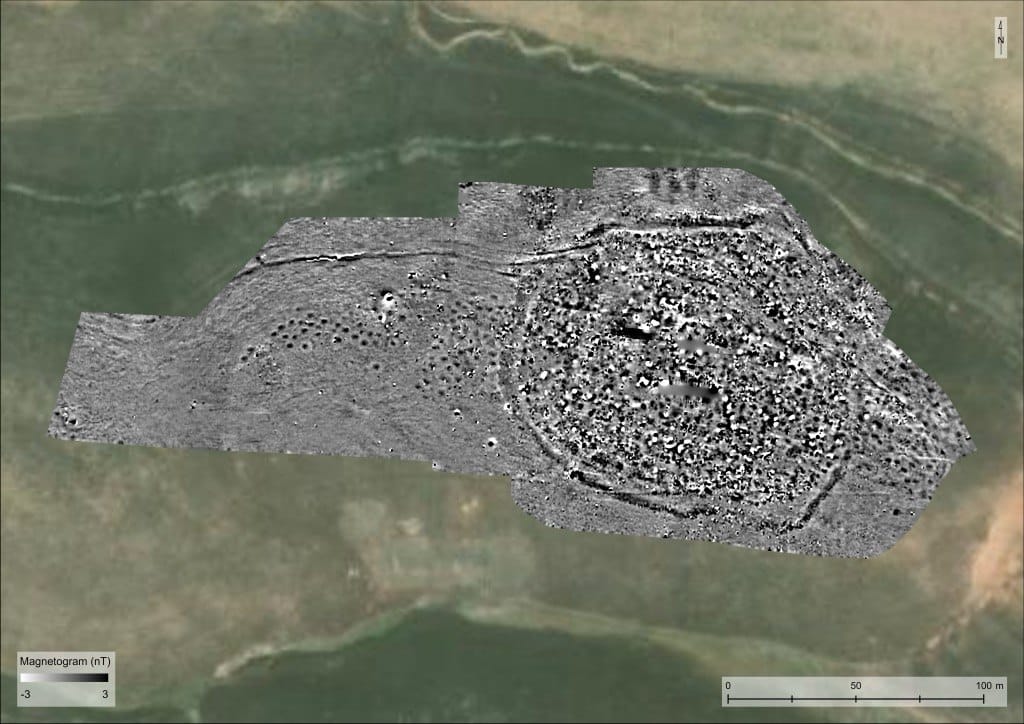
Initially, we thought it might have been a watch post. Later, in 2021, our colleagues from Masaryk University in Brno conducted detailed geophysical surveys, which completely transformed our understanding.
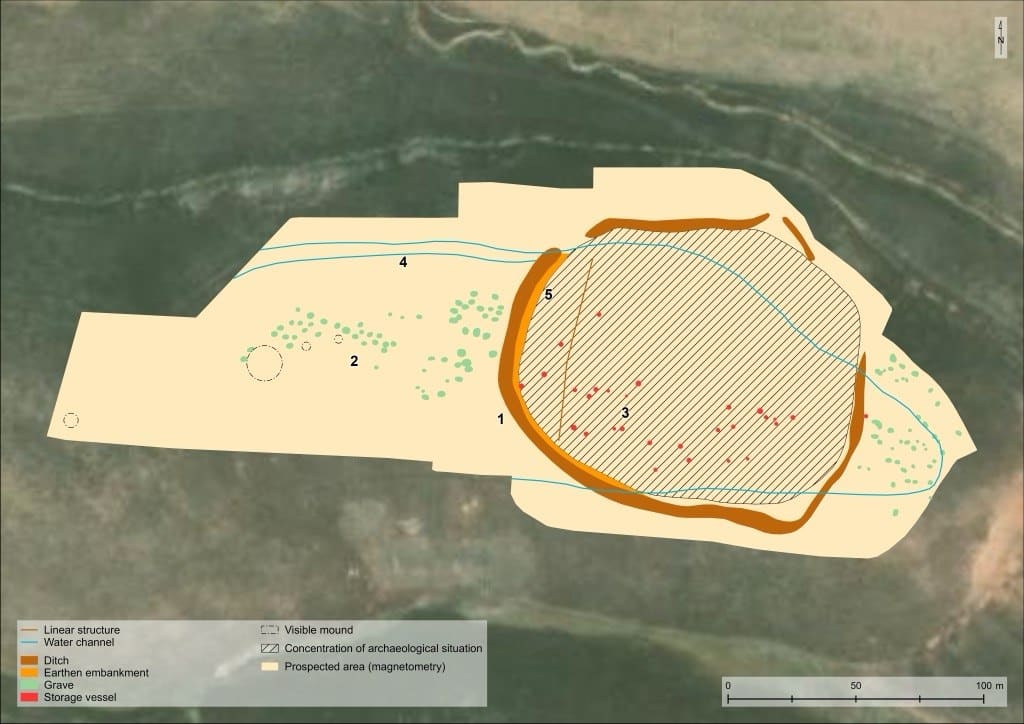
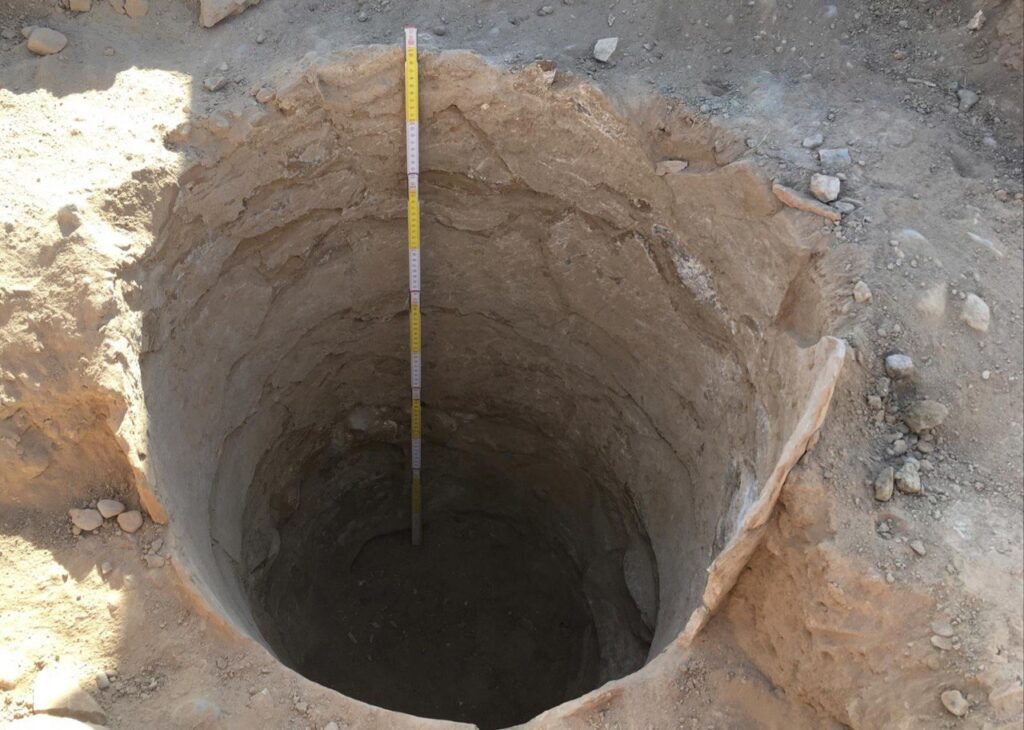
We discovered a large oval ditch surrounding the settlement, evidence of defensive structures, water canals, and, later, more than 100 burial pits. Without geophysics, we would never have recognised the true nature of the settlement.
— Why is Iskandar Tepa unique?
— Its defensive ditch is extraordinary. Unlike typical Central Asian settlements built over many centuries, Iskandar Tepa appears to have been occupied only for a relatively short period.
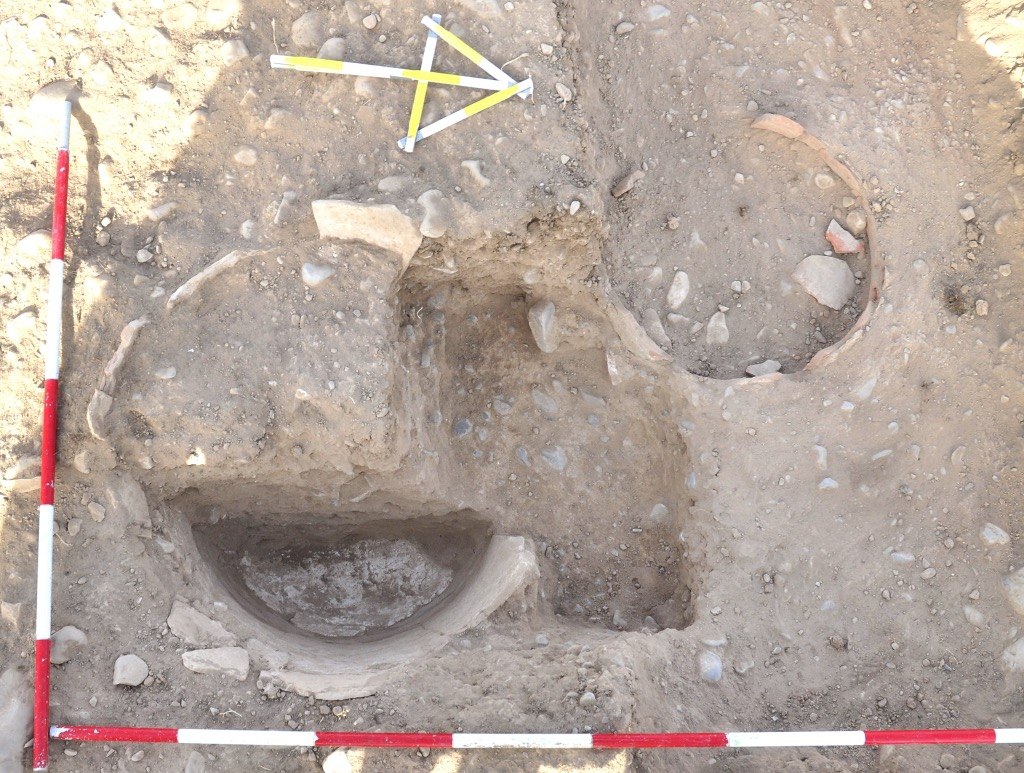
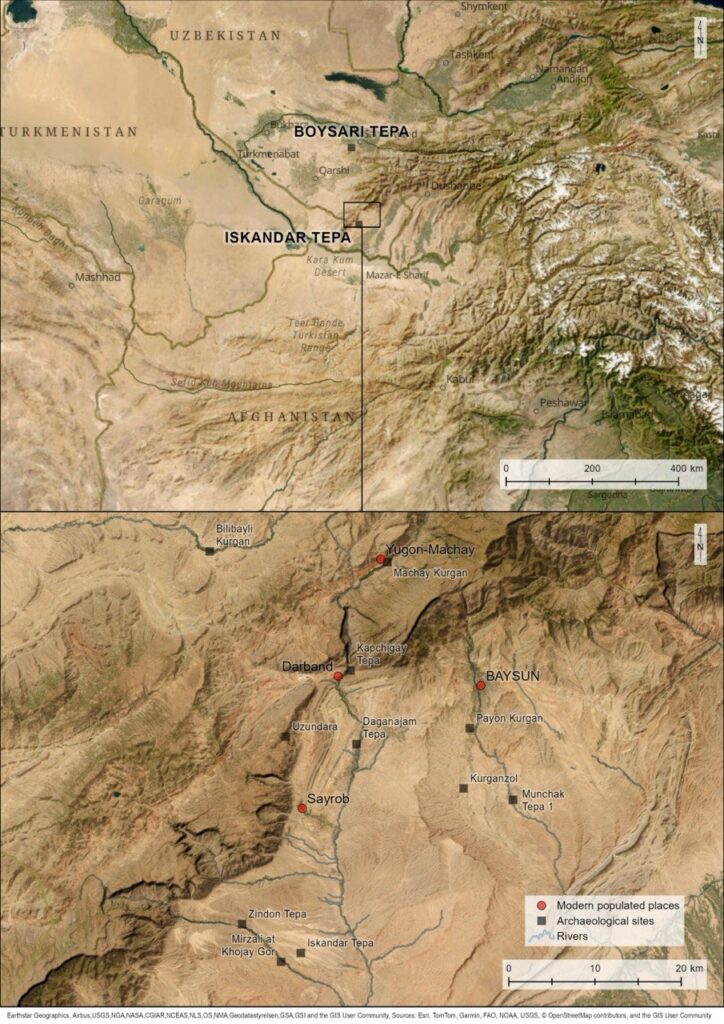
There are no permanent stone buildings. Instead, we found post holes suggesting wooden palisades and temporary structures, perhaps tents or light shelters. So far, we know of only one comparable site in Uzbekistan — Boisaritepa in the Samarkand region.
This may represent an entirely new category of Hellenistic settlement in Central Asia.
— Can we already understand the relationship between the Greeks and local populations?
— Only partly. Material culture alone cannot tell us whether the people living there were Greeks, Macedonians or locals adopting new traditions.
However, military sites such as fortresses and camps clearly belonged to the ruling Greco-Bactrian elite. At the same time, we also observe local communities gradually moving into new territories alongside these developments.
This suggests interaction, cooperation and adaptation between different populations. Exactly how these relationships worked remains an open question.
— How are new technologies changing archaeology today?
— They are becoming increasingly important. Unfortunately, drones cannot currently be used freely for archaeological research in Uzbekistan, which limits our work.
Artificial intelligence is also being tested, mainly to analyse satellite imagery and identify possible archaeological features.
But, AI still requires extensive training, and for now, experienced archaeologists can recognise far more than current algorithms can.
Field archaeology remains irreplaceable by artificial intelligence.
— How are archaeological expeditions financed today?
— Our project has been a collaboration between Czech and Uzbek researchers. The Uzbek team, led by colleagues from the Termez State University, provides invaluable support during fieldwork.
However, the financial resources came almost entirely from European Commission research grants and private entities such as Neuron Foundation in the Czech Republic. At the moment, those grants have ended, and we have no funding to continue research.
The Uzbek government has invested in equipment and infrastructure for local researchers, which is greatly appreciated. But funding for long-term archaeological research remains limited.
— Could archaeology become an investment opportunity for Uzbekistan?
— Absolutely. Archaeology has enormous potential to stimulate tourism and local economic development. We even considered creating a museum in southern Uzbekistan to showcase discoveries and attract visitors.
Unfortunately, organisational challenges prevented the project from moving forward. Private companies have already demonstrated that cooperation is possible.
For example, an international company Eriell provides vehicles and logistical support for our field expeditions every year. Without that assistance, fieldwork would be much more difficult.
— What would you recommend visitors interested in archaeology see beyond Samarkand, Bukhara and Khiva?
— I would encourage people to visit the countryside. The Surkhandarya region is especially fascinating.
Near Termez you can explore Buddhist monasteries, ancient stupas, archaeological museums and remarkable landscapes close to the Afghan border.
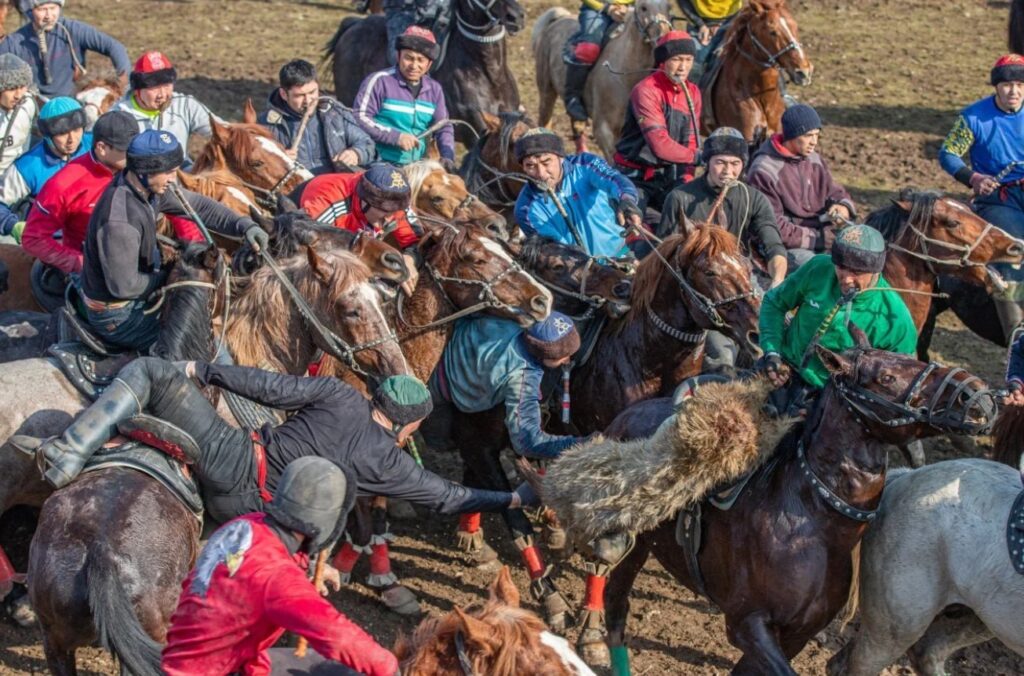
Equally important are the villages themselves, where visitors can experience authentic local traditions, hospitality and even traditional kupkari horse games during weddings.
— After so many years, why Uzbekistan?
— When I was a young MA student, I travelled through Pakistan. Later, I moved to Central Asia. I quickly realised that Uzbekistan offered archaeological opportunities that no longer exist in Europe.
There are still countless unexplored sites and historical landscapes. When I was only twenty-three, colleagues in both Kyrgyzstan and Uzbekistan invited me to collaborate. I chose ancient Bactria, and I have never regretted that decision.
— What comes next for Iskandar Tepa?
— The next stage depends entirely on funding. We hope to continue excavating the burial ground surrounding the settlement. Modern archaeogenetics and isotope analysis could answer fascinating questions.
We may be able to determine where the buried people came from, what they ate, how they moved across the region and whether they were related to one another.
This would dramatically improve our understanding of the transition from the Greco-Bactrian Kingdom to the Kushan period.
— Does the burial ground belong to the military camp?
— No. The burials are slightly later. They probably date to the first century BC and may be connected with the arrival of new nomadic groups following the collapse of Greco-Bactrian rule.
These populations later contributed to the rise of the Kushan Empire. At present, however, we still do not know exactly who these people were. Only future genetic analysis may provide the answers.
— Many headlines describe Iskandar Tepa as a «Greek military camp.» Is that already proven?
— No. It is important to stress that this remains a scientific hypothesis. Roman military camps are well known, making them relatively easy to identify.
Greek military camps are much rarer and far less understood. Everything we have discovered strongly suggests a military function, but archaeology requires evidence.
To prove the hypothesis conclusively, we need additional discoveries, more comparable sites, and, ideally, successful radiocarbon dating, which, unfortunately, failed in this case because the samples were unsuitable. Science advances through evidence, and we intend to continue searching for it.
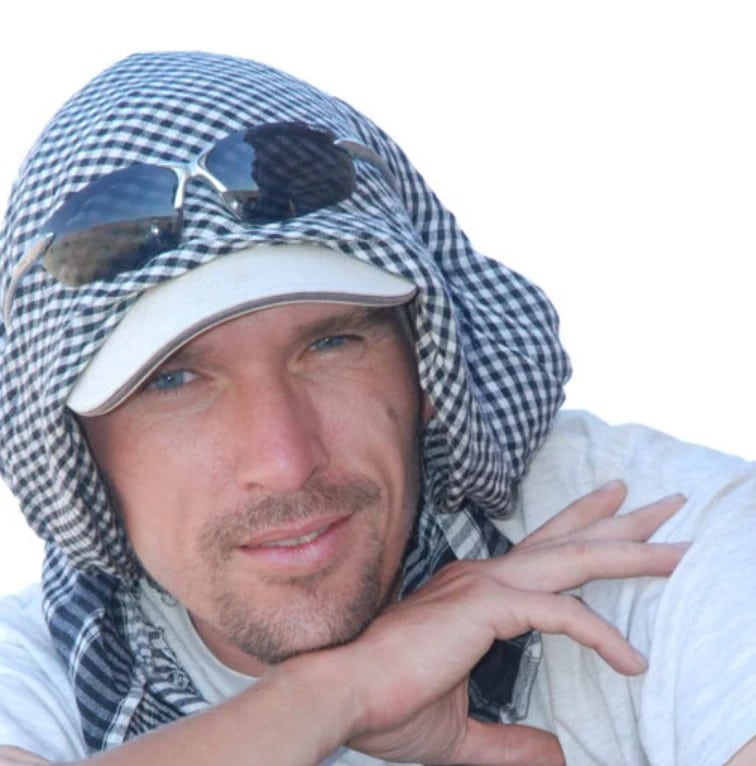
«Uzbekistan still has enough archaeological secrets to keep researchers busy for the next 5,000 years.» Dr Ladislav Stančo smiles as he says it, but after more than two decades working across the country, he may not be exaggerating.