Tashkent RSE head on how mortgage bonds reshape housing and capital markets

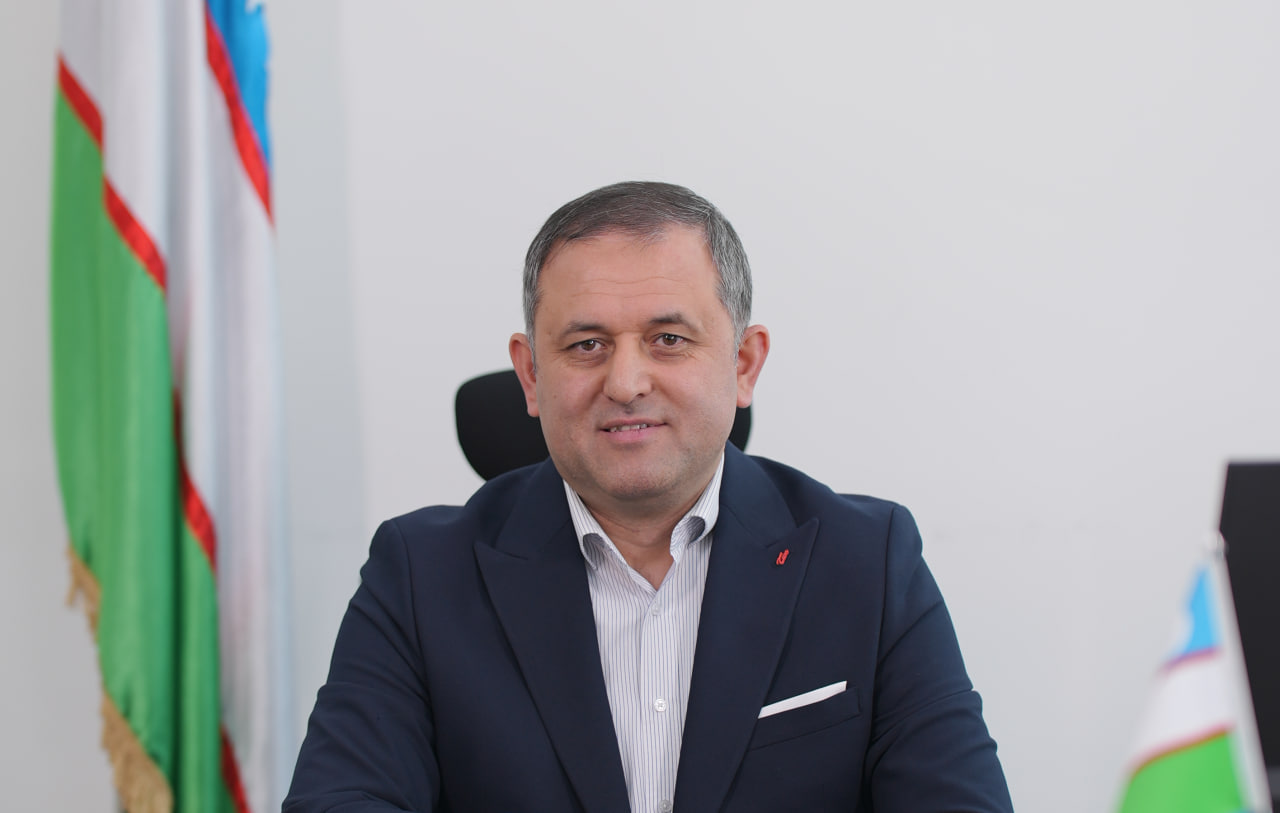
On July 8, 2026, the Tashkent Republican Stock Exchange (Tashkent RSE) hosted Uzbekistan’s historic first mortgage bond placement, valued at 40.56 billion UZS. Issued by UMRC SPV LLC, the deal launched a 200 billion UZS pilot project under Presidential Decree UP-26.
In an exclusive interview with Kursiv Uzbekistan, Fayzulla Tashov, the Acting Board Chairman of the Tashkent RSE, explained how the securitisation mechanism works, why the debut deal was held in a controlled «regulatory sandbox,» and whether retail investors will eventually gain access to these securities.
— Mr Tashov, could you explain in simple terms what a mortgage bond is and why this financial instrument is entering the Uzbek market right now?
— Simply put, mortgage bonds are securities backed by mortgage loans. A financial institution pools issued mortgage loans into a single portfolio and issues bonds secured by those assets, which investors then purchase.
This mechanism is known as securitisation. It transforms long-term mortgage loans into marketable financial instruments. As a result, banks and mortgage institutions can replenish their funding more quickly and use the proceeds to issue new mortgage loans. At the same time, investors gain access to a long-term investment instrument with a predictable return.
The introduction of mortgage bonds in Uzbekistan is one of the practical outcomes of the implementation of the Presidential Decree of the Republic of Uzbekistan No.PD-26 dated 21 February 2025, «On Additional Measures for the Further Development of the Housing and Mortgage Markets.» The Decree established the legal framework for introducing the securitisation mechanism, creating the necessary market infrastructure, and implementing a pilot issuance of mortgage bonds.
Pursuant to the Decree, a pilot issuance of mortgage bonds totalling UZS 200 billion has been provided for, backed by a pool of mortgage loans originated by five commercial banks: JSC NBU, JSC Asakabank, JSCB Uzpromstroybank, JSC Xalq Bank, and JSCB Agrobank. The bonds are to be placed and traded through the Republican Stock Exchange «Toshkent.» On 8 July 2026, the first placement transaction, amounting to UZS 40.56 billion, was successfully completed through a private placement with the participation of JSC Xalq Bank.
In essence, mortgage bonds represent not merely a new type of security, but the introduction of a modern, internationally recognised mechanism for attracting long-term capital to support the development of Uzbekistan’s mortgage market and foster the further growth of the country’s capital market.
— The first transaction worth UZS 40.56 billion was carried out through a private placement with the participation of Xalq Bank. Why was a private placement chosen for the initial issuance, and is there a possibility that the pilot program (UZS 200 billion) will later be offered to the broader market?
— The private placement format was stipulated by Presidential Decree of the Republic of Uzbekistan No. PD-26 as part of the pilot project for implementing the securitisation mechanism. The Decree provides that the inaugural issuance of mortgage bonds totalling UZS 200 billion is to be placed among five commercial banks, with UZS 40 billion allocated to each participating bank.
This approach makes it possible to test the new financial instrument under controlled conditions, validate every stage of the issuance, trading, settlement, and servicing process, and establish practical experience with its application within the framework of the Regulatory Sandbox special legal regime.
As for a potential public offering, the further development of this mechanism will depend on the results of the pilot project, as well as on the decisions of the issuer and the competent public authorities. For its part, the Republican Stock Exchange «Toshkent» stands ready to provide the necessary infrastructure for the issuance and trading of mortgage bonds in accordance with the issuer’s decisions and the applicable legal and regulatory framework.
— Did the Exchange have to upgrade its trading or settlement infrastructure to support the trading of securities issued through an SPV structure?
— The launch of mortgage bond trading under an SPV (Special Purpose Vehicle) structure did not require any significant upgrades to the Exchange’s trading or settlement infrastructure. However, prior to the first issuance, the Exchange, together with the Central Depository, conducted comprehensive testing of all processes related to the issuance, settlement, record-keeping, and trading of securities issued through an SPV.
Based on the testing results, only minor technical adjustments were made to ensure the smooth and uninterrupted operation of all procedures. As a result, the first placement of mortgage bonds was successfully completed in the normal course of operations, confirming that the Exchange’s infrastructure is fully prepared to support the trading of such instruments.
— Who are the primary target investors for these mortgage bonds? Will this instrument eventually become available to retail investors?
— The target investor base for each bond issuance is determined by the issuer, taking into account the terms of the issuance and its investment strategy. The Exchange, for its part, provides the infrastructure for the placement and trading of securities.
As for the first mortgage bond issuance, the pilot offering is primarily aimed at institutional investors, as they possess the financial capacity and expertise required to participate in projects of this nature.
At the same time, as the securitisation market develops and new mortgage bond issuances are introduced, the possibility of expanding access to a broader range of investors, including retail investors, cannot be ruled out. This will depend on the specific terms of future issuances and the decisions of issuers, in accordance with the applicable legal and regulatory framework.
— One of the biggest challenges facing debt instruments in the region is limited secondary market liquidity. How does the Exchange plan to encourage secondary trading in mortgage bonds? Will market makers be involved?
— The development of a vibrant secondary market is one of the key prerequisites for the successful circulation of debt securities, particularly newly introduced instruments. For this reason, the Exchange is currently considering the introduction of a market-making framework for mortgage bonds, as well as for foreign currency-denominated bonds.
The involvement of market makers would help support liquidity, provide continuous two-way quotations, and contribute to efficient price discovery. This is a well-established practice in developed capital markets and plays an important role in increasing investor confidence and promoting trading activity in new financial instruments.
As these instruments become more established and investors gain greater familiarity and confidence in them, their market liquidity is expected to improve naturally. Consequently, the need for additional liquidity support from market makers is likely to diminish over time.
— Global financial markets have experienced risks associated with mortgage-backed securities in the past. What mechanisms are in place to ensure the quality of the underlying mortgage pool on the Republican Stock Exchange «Toshkent»? How can investors be confident in the reliability of the underlying collateral?
— All investments involve a certain degree of risk, and mortgage bonds are no exception. At the same time, the reliability of this instrument is supported by a multi-layered system of oversight and safeguards.
For its part, the Republican Stock Exchange «Toshkent» verifies both the issuer and the compliance of each issuance with the Exchange’s listing and admission requirements. However, the quality of the underlying collateral is determined not by the Exchange, but by the quality of the underlying mortgage loan pool and the assessment procedures established under the applicable legal and regulatory framework.
The key factors underpinning the reliability of mortgage bonds include prudent borrower underwriting, the formation of a high-quality mortgage loan pool, and an independent assessment of the issuance by credit rating agencies. Taken together, these elements enable investors to make an informed assessment of the credit quality and associated risks of mortgage bonds, allowing them to make well-informed investment decisions.
— The pilot issuance amounts to UZS 200 billion. Based on your expectations, how quickly is the market likely to absorb the remaining volume? And how could this initiative affect the construction sector and mortgage affordability in the long term?
— We are seeing strong interest in mortgage bonds from institutional investors, which indicates solid market demand for this new financial instrument. It is important to emphasise that the issuance of mortgage bonds is not a one-off transaction, but part of the phased implementation of Presidential Decree of the Republic of Uzbekistan No. PD-26, «On Additional Measures for the Further Development of the Housing and Mortgage Markets.» The pilot issuance will allow market participants to evaluate the effectiveness of the new mechanism and will serve as a foundation for the further development of the securitisation market in Uzbekistan.
Over the long term, mortgage bonds will enable banks and specialised financial institutions to raise long-term funding more efficiently and channel the funds raised into new mortgage lending. This, in turn, will support the continued development of both the housing market and the construction sector.
At the same time, the cost of mortgage loans for citizens will continue to be determined primarily by macroeconomic conditions, the cost of funding, and the overall environment in the financial markets.