Xiaomi 18 Fold and Pad 9 Pro Max to debut powerful Xring O3 chip

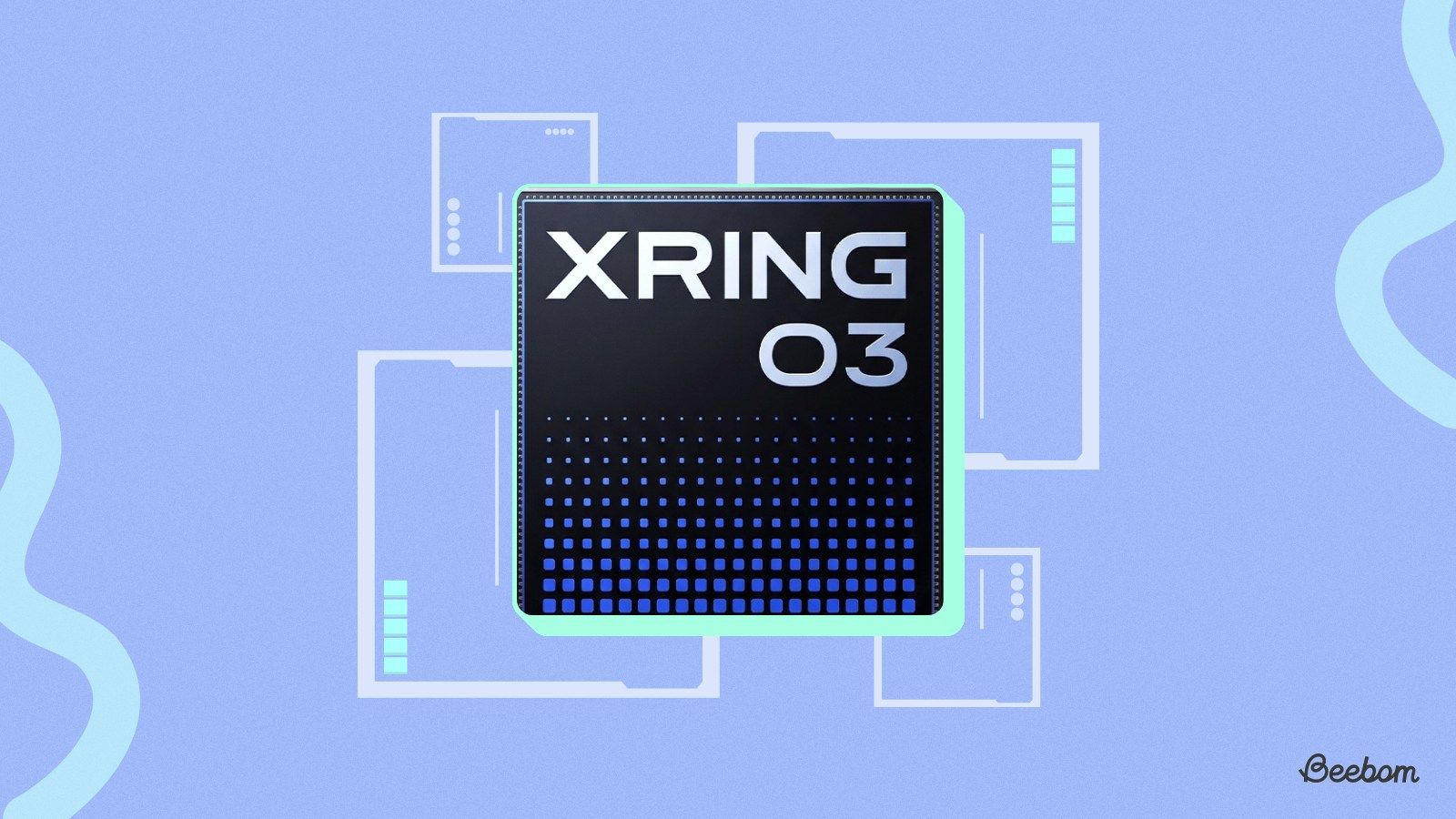
Chinese technology giant Xiaomi has unveiled its latest flagship mobile processor, the Xring O3, which early testing indicates outperforms current market leaders in both speed and power efficiency.
The custom 10-core chip is confirmed to make its consumer debut powering the brand’s forthcoming premium hardware portfolio, specifically the Xiaomi 18 Fold smartphone and the Pad 9 Pro Max tablet.
Initial independent evaluations conducted by Chinese technology outlet Xiaobai’s Tech Reviews reveal the silicon has achieved exceptional results on a reference platform. During Geekbench single-core testing, the Xring O3 secured 3,854 points.
This specific metric places the component in direct competition with highly anticipated industry heavyweights like the Snapdragon 8 Elite Gen 5 and Apple’s A19 Pro while delivering a concrete 25% performance increase over Xiaomi’s first-generation Xring O1.
The processor’s multi-core design shows an even bigger benefit over the limits of current hardware. The prototype unit scored 15,086 points in multi-core tests, easily surpassing the 12,000-point limit seen in top Qualcomm configurations like those in the iQOO 15 Ultra.
This represents a 55% generational leap from the original Xring O1 framework while successfully maintaining superior power efficiency per watt.
Graphics upgrades and manufacturing strategy
Visual rendering capabilities follow a similarly aggressive upward trajectory. During the 3DMark Steel Nomad Light stress test, the Xring O3 recorded graphical processing scores exceeding existing flagship chipsets by more than 40%. Compared directly to last year’s Xiaomi silicon, graphical output has increased by up to 90%. Crucially, these extreme performance gains have not compromised thermal efficiency.
Industry analysts note that Xiaomi achieved these benchmark milestones using the N3P production node from Taiwan Semiconductor Manufacturing Company rather than the more advanced N2 fabrication process expected in upcoming hardware from Qualcomm, Apple, and MediaTek.
Despite relying on an older manufacturing technique, early diagnostic data suggests the Xring O3 is technically positioned to challenge the most advanced next-generation silicon entering the mobile marketplace.
However, hardware experts caution that prototype benchmarks frequently represent ideal operational conditions. Everyday performance within consumer units will ultimately depend on thermal management solutions, battery power limitations and software optimisation implemented inside the retail chassis of the 18 Fold and Pad 9 Pro Max.