Cyclone Arnab leaves Indian villages flooded and thousands displaced

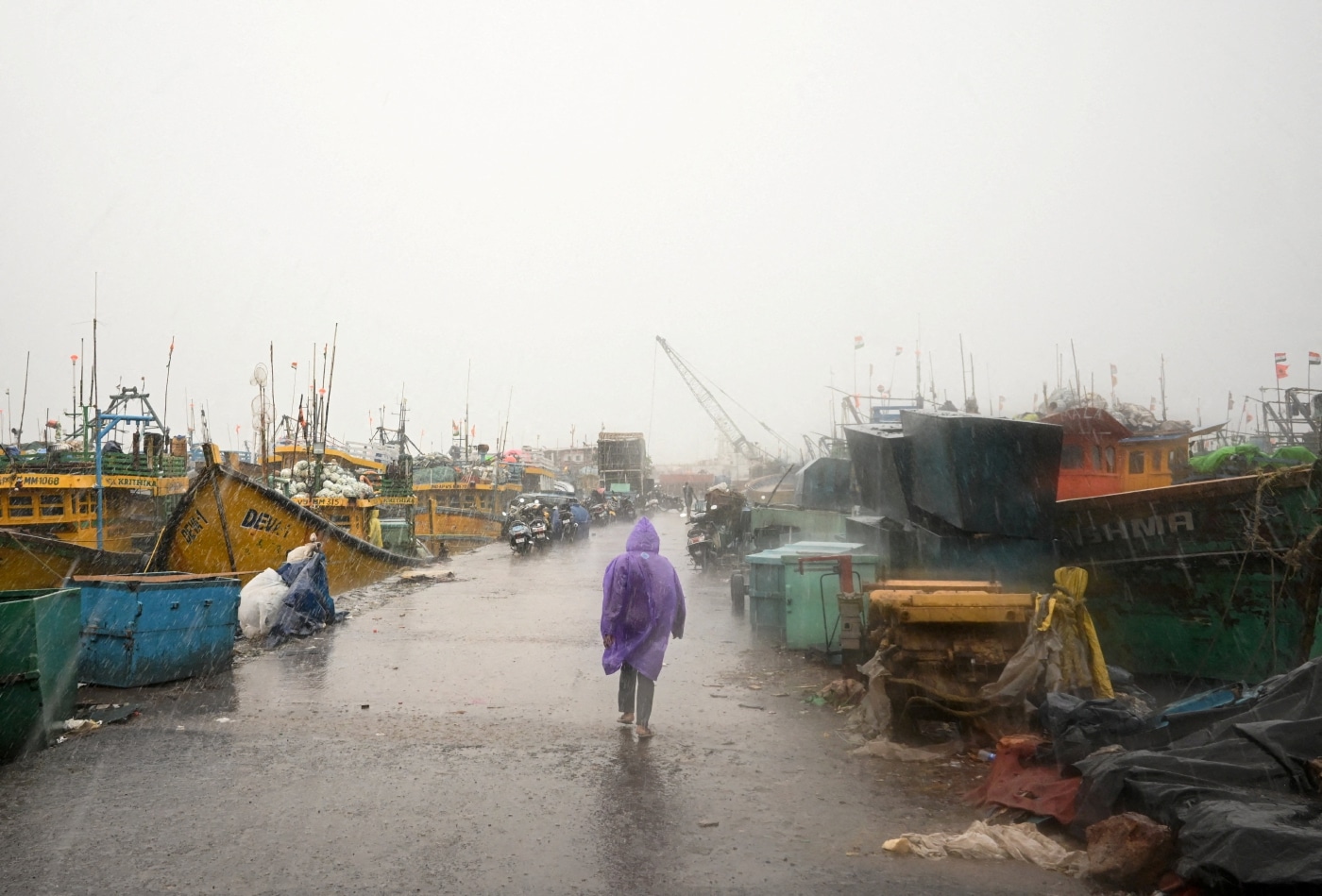
At least seven people have died and hundreds of homes have been damaged or destroyed after Cyclone Arnab struck India’s southeastern coast, bringing powerful winds, torrential rain and widespread flooding.
The storm hit Andhra Pradesh on October 28, with winds reaching 135 kilometres per hour and gusts of up to 150 kilometres per hour, according to the India Meteorological Department (IMD).
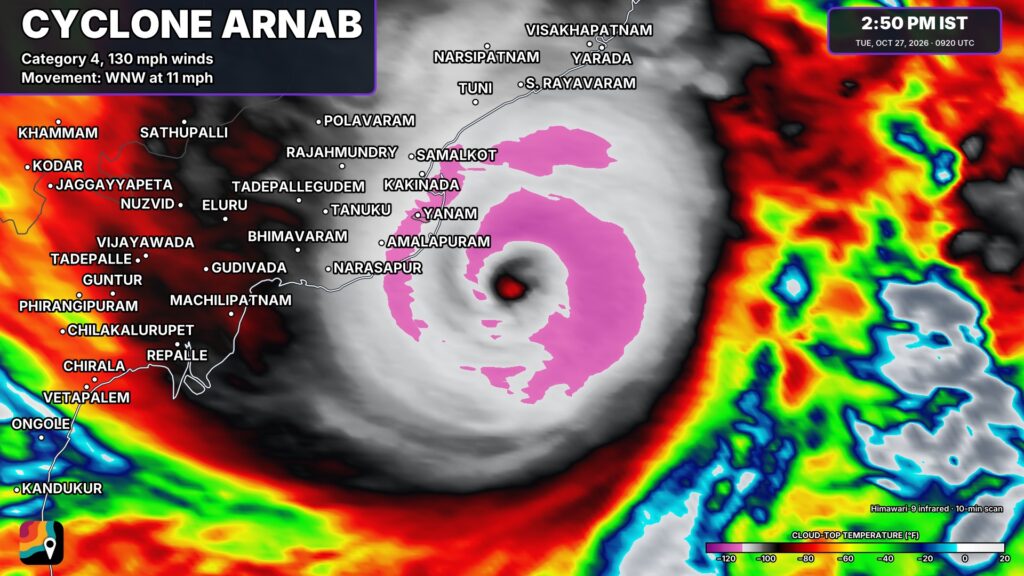
Seven deaths have been reported across the state’s coastal districts, although authorities have not yet established a final toll. Earlier, India’s National Disaster Response Force (NDRF) confirmed three fatalities, while local media reported additional deaths from falling trees, collapsed electricity poles and flooding.
#WATCH | Andhra Pradesh: Very strong winds and heavy rainfall in Amalapuram in Konaseema district as an impact of Cyclone Arnab. (Video Source: Andhra Pradesh I&PR) https://t.co/E1jMR5asRd
— ANI (@ANI) October 27, 2026
Andhra Pradesh Chief Minister N. Chandrababu Naidu reported damage to at least 180 houses and hundreds of fallen trees in a letter to India’s federal home minister, Amit Shah, according to Reuters.
More than 180,000 people evacuated from Andhra Pradesh and neighbouring Odisha ahead of the cyclone, and emergency shelters opened across vulnerable coastal communities.
🌪️ Cyclone Arnab Unleashes Powerful Winds! Violent gusts are sweeping through the area, with winds reportedly reaching 150 km/h. Nature’s fury is on full display! Stay safe and follow local weather alerts. ⚠️🌬️ https://t.co/y6O5FgiiNU
— Veer Thakur (@veerthakur1906) October 28, 2026
Homes flooded and farmland destroyed
The worst damage occurred in Andhra Pradesh’s coastal districts, including West Godavari, Konaseema, Kakinada and East Godavari.
Strong winds uprooted trees, brought down power lines and damaged telecommunications infrastructure, leaving some communities without electricity and blocking major roads.
In West Godavari, approximately 4,000 trees were uprooted, cutting off routes connecting towns including Bhimavaram and Narsapur, according to The New Indian Express.
Cyclone 🌀 Arnab Wreaking Havoc in Vishakhapatnam 😱 https://t.co/hKjk7wKY2R
— Prof. (Dr.) Suchintan Singh (@suchintan_singh) October 27, 2026
The cyclone also caused extensive agricultural losses. Preliminary estimates indicate that the storm affected approximately 220,000 hectares of agricultural and horticultural crops.
The cyclone weakened after moving inland late on 28 October. However, forecasters warned that heavy rainfall could continue across parts of eastern and central India.
Authorities suspended operations at three airports in Andhra Pradesh, while railway services were disrupted and schools closed in several districts. More than 30,000 fishing boats returned to shore ahead of the storm.
