Polish president rushes home as political crisis erupts in Warsaw

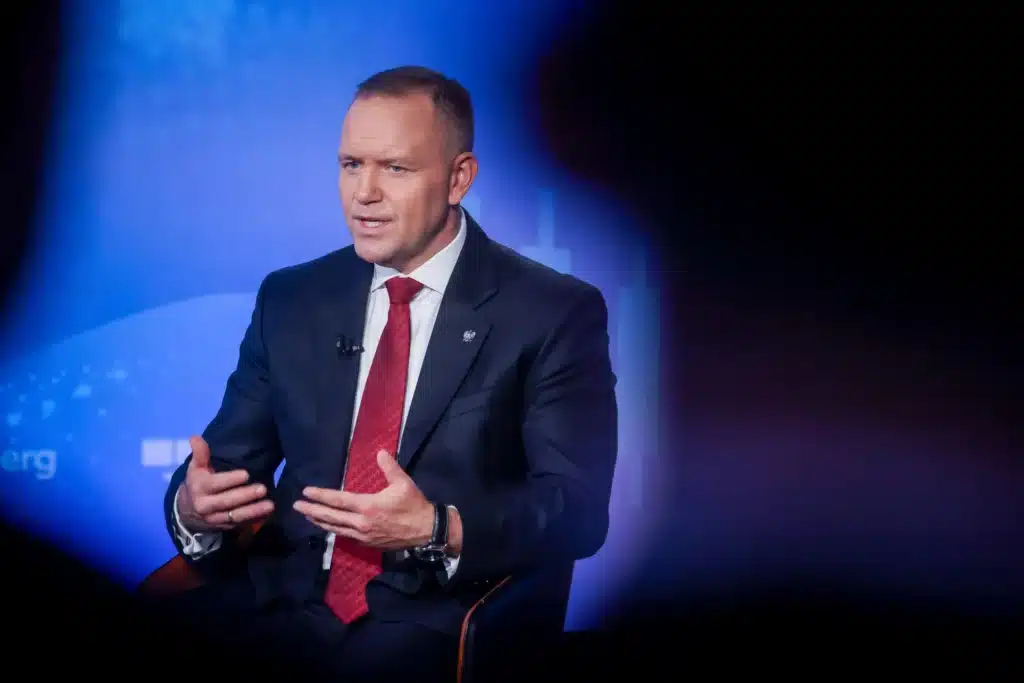
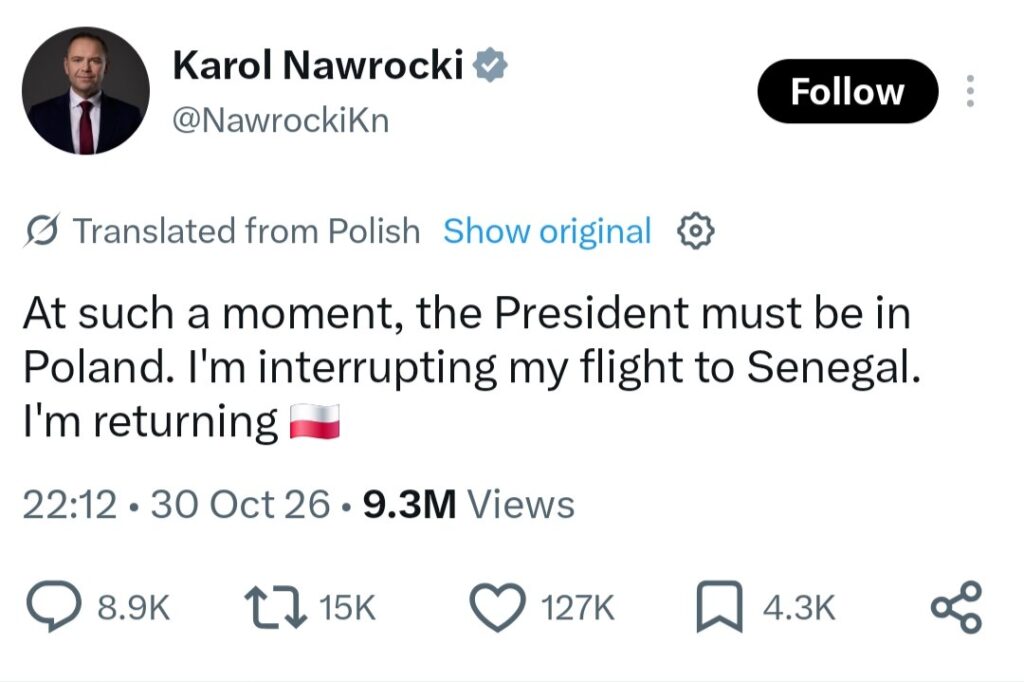
Polish President Karol Nawrocki abandoned his official visit to Senegal on Friday, 30 October, after a dispute over the leadership of Poland’s Constitutional Tribunal sparked demonstrations and claims of a government-backed coup.
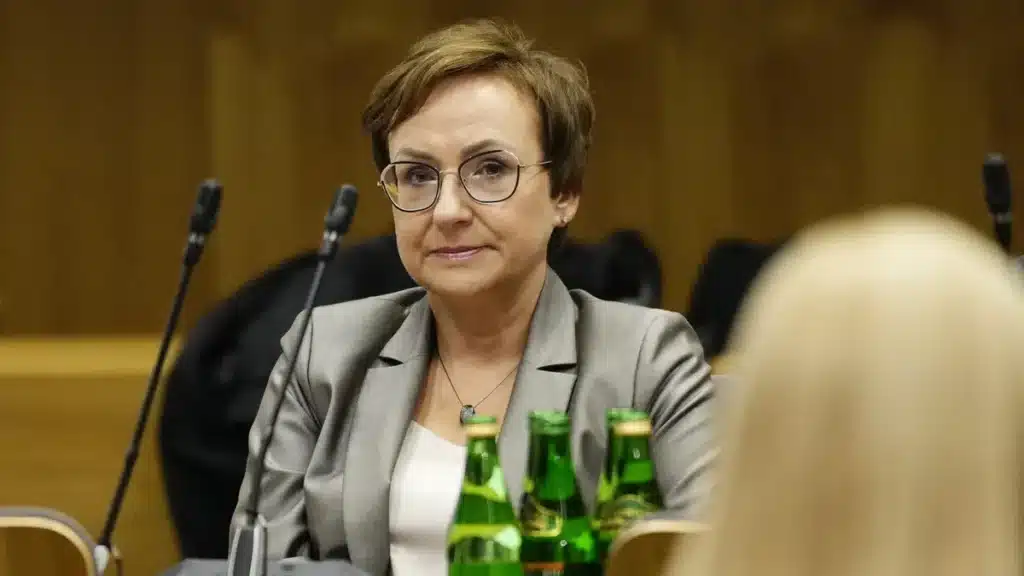
The confrontation followed a decision by senior judge Anna Korwin-Piotrowska to remove tribunal president Bogdan Święczkowski from his duties and take over the court’s leadership, Reuters reported.


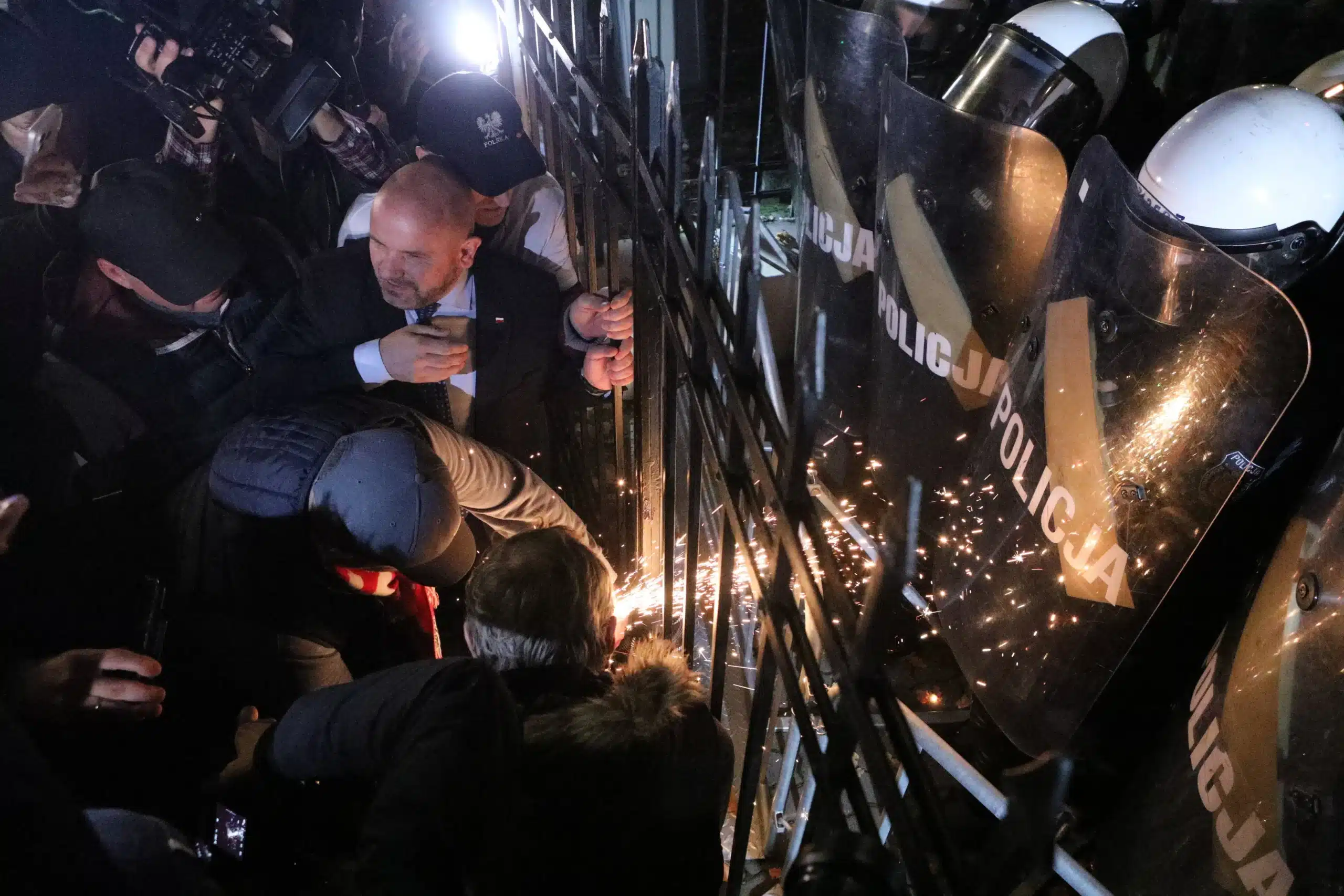
The move prompted hundreds of people to gather outside the tribunal in Warsaw. Opposition figures accused Prime Minister Donald Tusk’s administration of trying to bring the judiciary under its control.
Tensions outside the court escalated as demonstrators reportedly threw objects at police officers and forced their way through a security barrier. Authorities detained three people, according to the Associated Press.
What triggered Poland’s latest political confrontation?
The dispute is rooted in years of disagreement over the independence of Poland’s courts, particularly between Tusk’s governing coalition and the opposition Law and Justice (PiS) party.
During its eight years in power, from 2015 to 2023, PiS introduced changes to the judicial system that faced scrutiny from the European Union. Brussels raised concerns that the reforms weakened judicial independence and increased political control over judges.
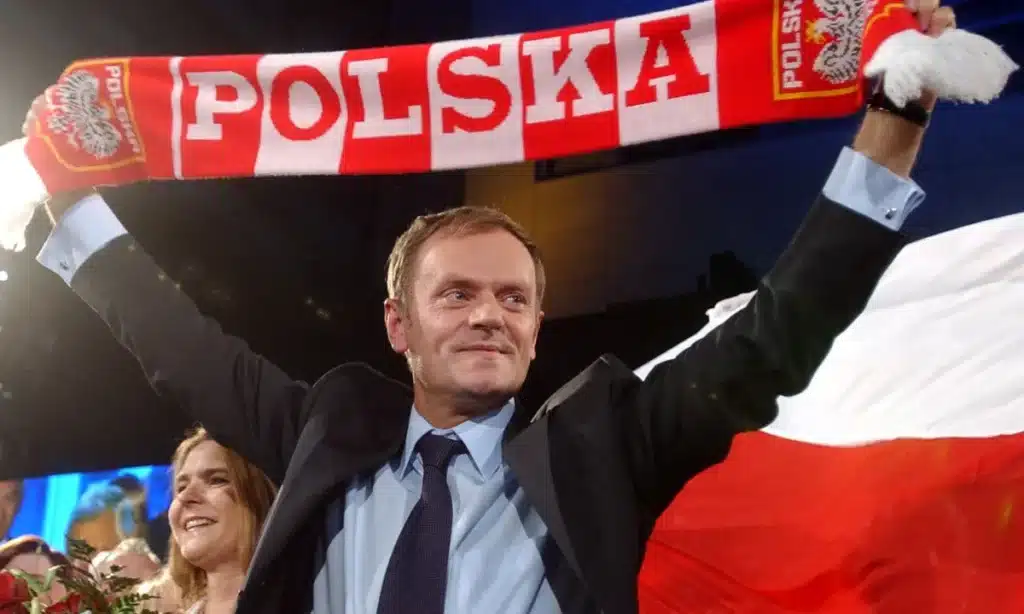
Tusk’s coalition, which replaced PiS in 2023, pledged to dismantle the disputed measures. Its efforts have repeatedly clashed with Nawrocki, who took office in 2025 after securing support from PiS.
The latest confrontation follows earlier disagreements over judicial appointments. In 2026, Nawrocki declined to swear in three judges selected by parliament, while Święczkowski prevented newly elected members backed by the governing majority from joining the tribunal.
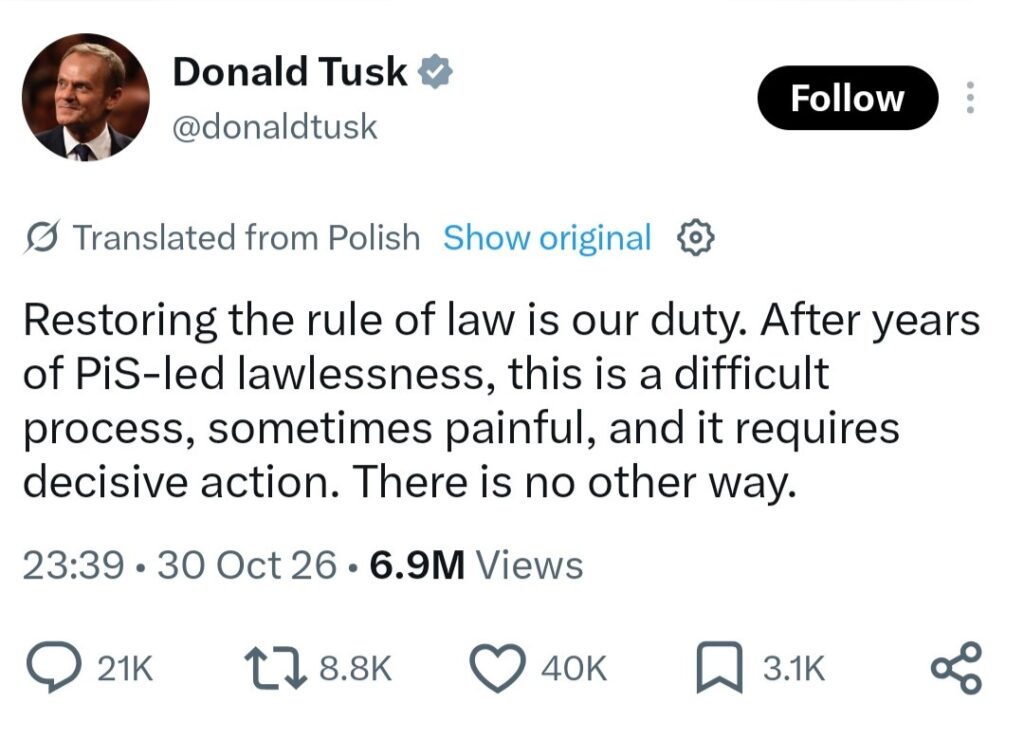
Tusk has defended his administration’s approach, arguing that changes to the judiciary cannot be achieved without difficult decisions.


PiS politicians have challenged the legality of the tribunal leadership change, accusing the governing coalition of undermining the country’s constitutional framework. Święczkowski described his suspension as a coup, although the accusations have not been substantiated by evidence of an attempt to overthrow the government.
Nawrocki arrived back in Warsaw late on Friday and held talks with Zbigniew Kapiński, the first president of Poland’s Supreme Court, about the situation.
The events unfolding tonight at Poland’s Constitutional Tribunal are very serious indeed. We appear to be witnessing an unprecedented confrontation over the government’s use of state power and the independence and authority of a constitutional institution. Both sides offer sharply different accounts of what happened and why. Whatever the facts ultimately establish, thousands gathering outside the Tribunal make an already dangerous situation more combustible. The last thing Poland needs is a confrontation that spirals into something far worse. America is on Poland’s side. It is not our place to judge or interfere in its internal affairs. Our concern is for the stability, security, and democratic future of a country we are proud to call our friend and ally. I hope everyone involved—government officials, law enforcement, and demonstrators alike, to take a deep breath, and don’t take any action that could provoke violence or further escalation. Americans and @POTUS care deeply about this country, its democracy, and its future. But Poland’s strength ultimately must come from within—from its people, its institutions, and their shared commitment to the rule of law. Poland has come too far and accomplished too much to let political differences, no matter how strongly felt, put any of that at risk.
— Ambassador Tom Rose (@USAmbPoland) October 30, 2026
The dispute has also attracted international attention. US Ambassador Tom Rose expressed concern over the developments and called on the opposing sides to prevent further escalation.
