RAMageddon is getting worse: Samsung warns of tougher times in 2027

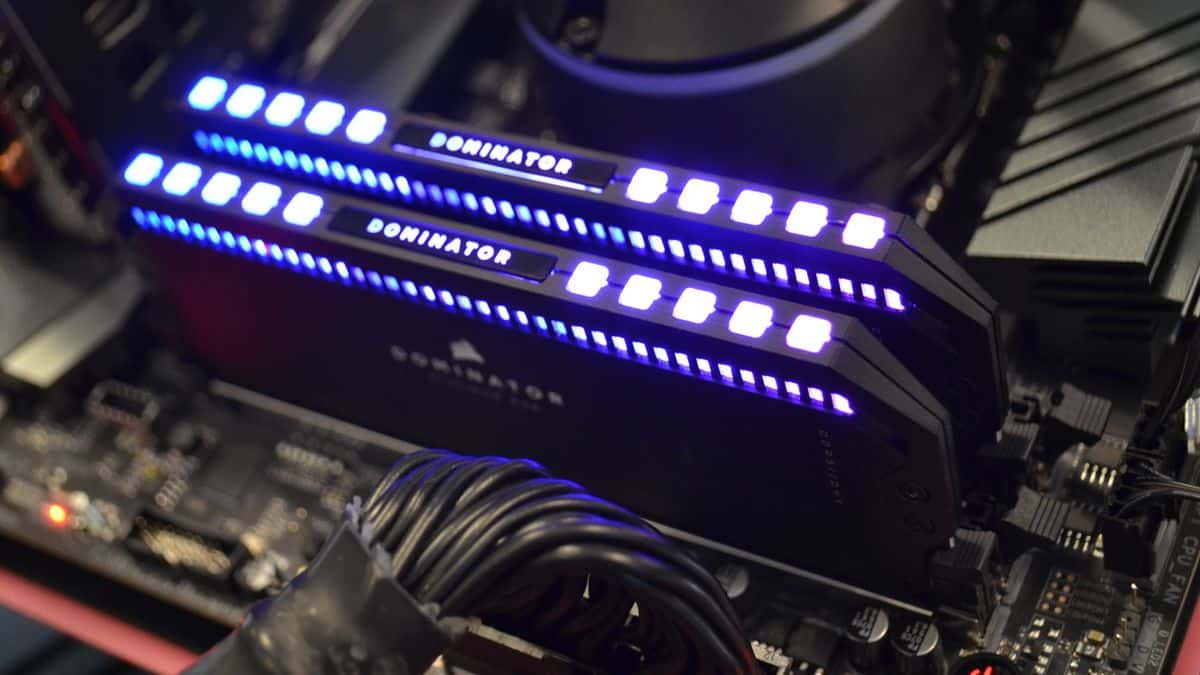
The global shortage of computer memory is expected to worsen in 2027 and continue into 2028, according to Samsung Electronics, raising concerns about further price increases for smartphones, computers and gaming consoles.
The South Korean technology company warned during its third-quarter earnings call on 29 October that demand for memory chips used in artificial intelligence infrastructure would continue to exceed available supply.
The shortage, nicknamed RAMageddon, has already pushed up the cost of consumer electronics throughout 2026, affecting products ranging from gaming PCs to PlayStation consoles.
Samsung expects the imbalance between memory supply and demand to become more severe next year, while additional manufacturing investments are unlikely to provide immediate relief.
The company also confirmed that its entire supply of high-bandwidth memory (HBM) chips for 2027 has already been booked by customers.
These specialised chips are essential for advanced AI processors, making them particularly valuable to technology companies building large-scale data centres.
Why is the RAM shortage getting worse?
The rapid expansion of AI infrastructure has forced semiconductor manufacturers to reconsider how they allocate production capacity.
Samsung, SK Hynix and Micron, three of the world’s leading memory producers, have increasingly focused on supplying high-performance chips for AI servers rather than conventional memory used in consumer devices.
Manufacturing more HBM also requires production capacity that could otherwise be used for standard DRAM, reducing the availability of memory for smartphones and computers.
Samsung executive Jaejune Kim explained that newer generations of HBM require larger silicon dies and more complex manufacturing processes, placing additional constraints on production.
The company plans to increase capital expenditure in 2027, but building new facilities and installing equipment takes time. Samsung therefore expects supply conditions to remain tight through 2028.
It has also entered long-term supply agreements with major customers and expects such contracts to eventually account for 60% to 70% of its manufacturing capacity.
What does this mean for smartphone and PC prices?
Rising memory costs have already affected consumer electronics manufacturers, with several companies increasing prices or adjusting product configurations.
According to TechCrunch, Samsung has raised prices for some Galaxy smartphones and tablets, while Apple has increased prices across parts of its MacBook, Mac and iPad ranges.
The shortage has also affected gaming hardware, including graphics cards, prebuilt computers and consoles.
For manufacturers, higher component costs create a choice between raising retail prices, reducing hardware specifications or accepting smaller profit margins.
Samsung itself has experienced both sides of the shortage. Its semiconductor division generated 147.1tn won ($110.3bn) in third-quarter revenue and 106.5tn won ($79.8bn) in operating profit, largely benefiting from strong AI demand.
However, higher memory costs have also weighed on profitability in the company’s consumer electronics businesses.
Industry analysts expect supply constraints to continue affecting the technology market as companies compete for limited manufacturing capacity.
