Uzbek medical degrees may leave Indian students unable to practise

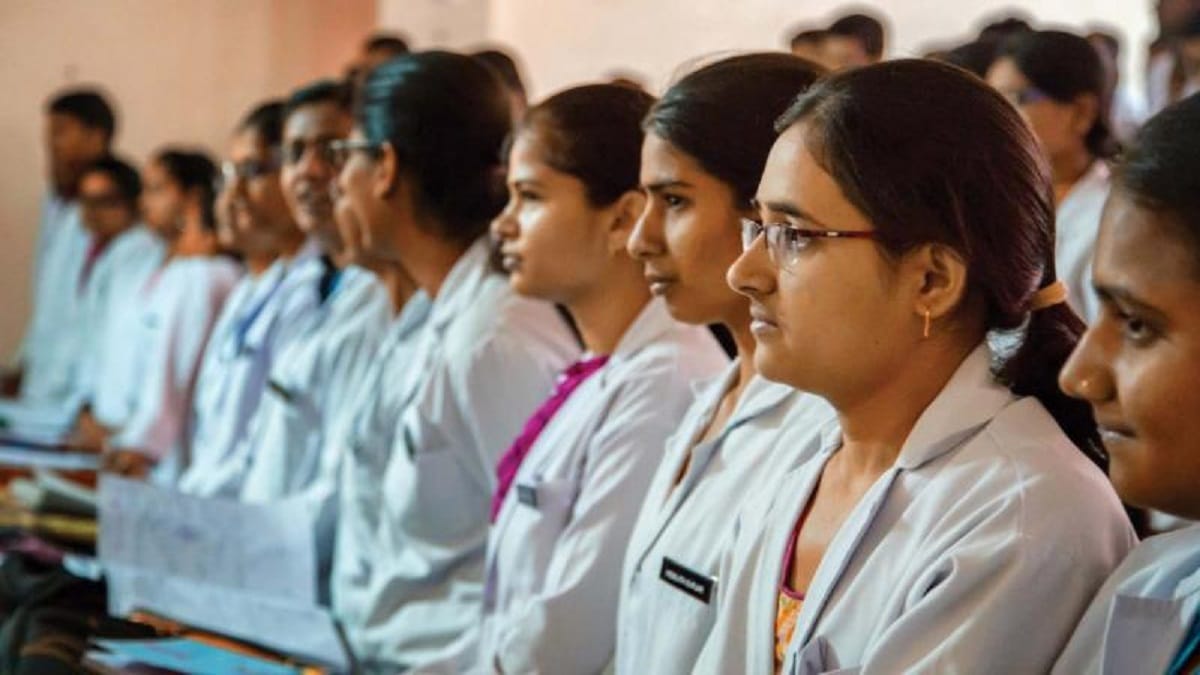
Indian students studying medicine in Uzbekistan could struggle to qualify as doctors back home if their universities fail to meet India’s education requirements.
The warning comes as reports suggest that the enrolment of Indian medical students in Uzbekistan has dropped from around 2,000 to just 200.
Speaking at a press briefing in New Delhi on 3 November, Foreign Ministry spokesperson Randhir Jaiswal said India was discussing the situation with Uzbek authorities.
«We continue to engage with the Uzbek side as far as issues about Indian students are concerned,» Jaiswal said.
He said medical students must receive training that meets the standards set by India’s National Medical Commission (NMC), which determines whether foreign-trained graduates can qualify to practise in India.
Jaiswal also warned that dishonest education agents and universities could take advantage of students looking for medical degrees abroad.
What’s wrong with medical training in Uzbekistan?
India’s concerns are not new. In April 2026, the NMC issued a warning after receiving reports from the Indian Embassy in Tashkent about problems at some Uzbek medical institutions.
According to the commission, certain universities, including Bukhara State Medical Institute, Samarkand State Medical University and Tashkent State Medical University, had reportedly admitted more students than their facilities could handle.
Others offered insufficient practical training or taught courses in languages that Indian students could not easily understand.
The commission warned that students graduating from courses that do not meet Indian standards could be denied permission to work as doctors in India.
This does not mean every programme at these universities is unsuitable, but students need to check whether their chosen course meets the requirements before enrolling.
What should students check before applying?
Under India’s rules, medical students studying abroad generally need to complete at least 54 months of education and a 12-month internship at the same foreign institution.
Their courses must also meet requirements for English-language teaching, practical hospital training and the medical curriculum.
In June, the Indian Embassy in Tashkent issued another warning, advising students to apply through education consultants registered in India and travel to Uzbekistan on student visas rather than electronic visas.
It also warned that some newly established private universities might not have enough laboratories, suitable facilities or teachers who could deliver courses in English.
For students, the consequences could be serious: even after completing years of study and paying tuition fees, they may be unable to obtain the qualifications needed to practise medicine in India.
