

Good health leaves clues in how you move, sleep and cope with daily life, aside from reassuring blood tests. Some of the most important are easy to miss when you feel fine.
Research in The Lancet and other medical journals links fitness, muscle strength and regular sleep with better long-term health. Trials also show that treating blood pressure and cholesterol can reduce cardiovascular problems.
The American Heart Association’s health framework, for instance, reflects that combination: it includes sleep and activity alongside blood pressure, blood sugar and cholesterol. Feeling energetic tells only part of the story.
These seven indicators bring together findings from several publications, rather than a single study or a seven-point medical test. Four concern everyday functioning; three require measurements interpreted for your age and medical history.
Four everyday signs of good health
You have stamina for your usual day
Walking, doing housework or climbing your usual stairs can give you a sense of how you are functioning. In 2024, the British Journal of Sports Medicine published a review covering more than 20 million observations, linking higher fitness with lower risks of early death and several chronic illnesses.

One note: the study involved the use of fitness assessments, so a staircase cannot give you the same verdict.
Your strength is holding up
Muscle matters well beyond the gym. The PURE study in The Lancet, involving almost 140,000 adults across 17 countries, found that weaker measured grip was associated with a higher risk of death and cardiovascular problems.
When familiar tasks become more difficult, it is important to discuss this change with a clinician. However, opening a jar cannot replace the measuring device used by researchers.

Read more: Apple Watch’s Sleep Score isn’t what it seems. Here’s why you shouldn’t trust it
Your sleep has a dependable rhythm
Sleep specialists recommend at least seven hours regularly for adults aged 18–60. Timing matters too: a study published in Sleep linked more consistent sleep patterns with a lower risk of early death.
Count the regular nights, rather than treating one long weekend lie-in as the whole picture.

You can make room for difficult emotions
Good mental health does not demand permanent cheerfulness. An expert paper in World Psychiatry describes recognising and managing emotions, maintaining relationships and adapting to change as important capacities.
Sadness, anger and fear can all belong within a healthy emotional life.

Read more: Still scrolling? Find out what endless social feed does to your mood
Three checks you can’t feel
Your blood pressure is in an appropriate range
Feeling relaxed is no replacement for a reading. A Lancet review of 123 studies found that lowering blood pressure reduced cardiovascular events and deaths in the populations studied.
Repeated, properly taken measurements give a better picture than a single result; treatment targets depend on the person.

Your blood-sugar results are reassuring
A blood test can tell you something your energy levels cannot. The American Diabetes Association’s 2026 guidance includes fasting glucose and HbA1c among the tests used to diagnose diabetes. HbA1c, or the Haemoglobin A1C, shows your average blood sugar over roughly the previous three months.
If you already have diabetes, your treatment target is a separate, individual question.
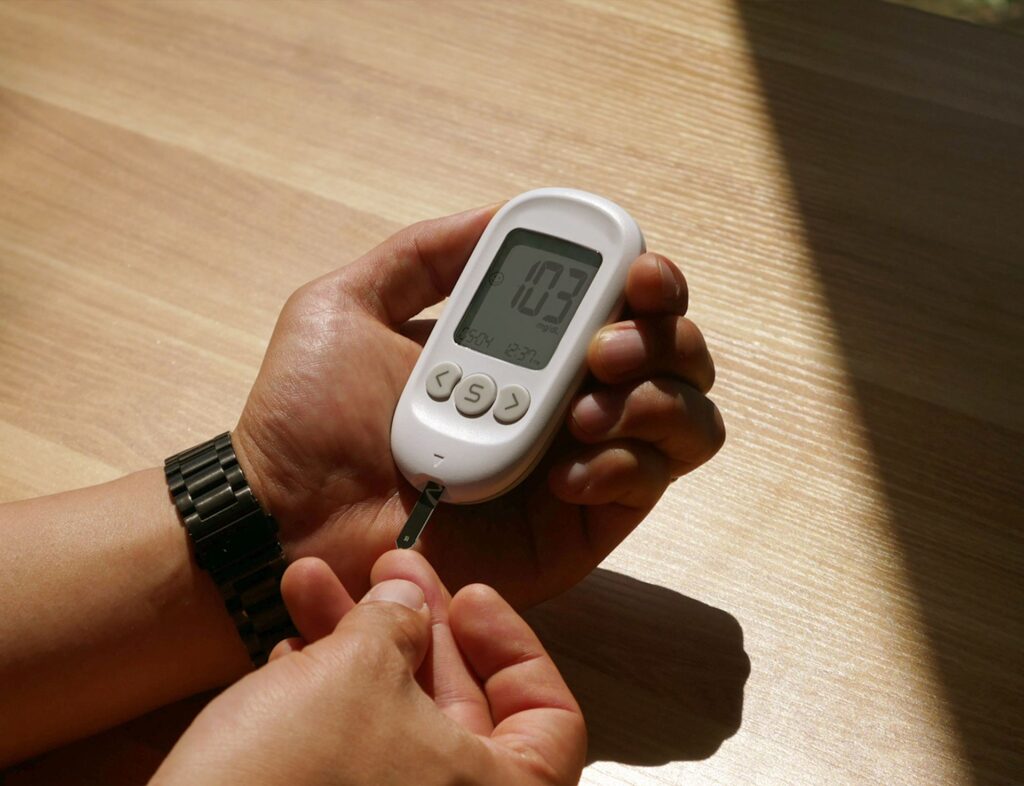
Zoom in: Eat together to lower blood sugar spike, scientists urge
Your cholesterol fits your overall risk
A Lancet analysis of 26 trials, involving about 170,000 participants, found that lowering LDL cholesterol reduced major cardiovascular events. LDL is often referred to as ‘bad’ cholesterol.
The result that is appropriate for you depends on factors including previous heart disease, diabetes and blood pressure — which is why someone else’s reassuring number may not be your target.
