
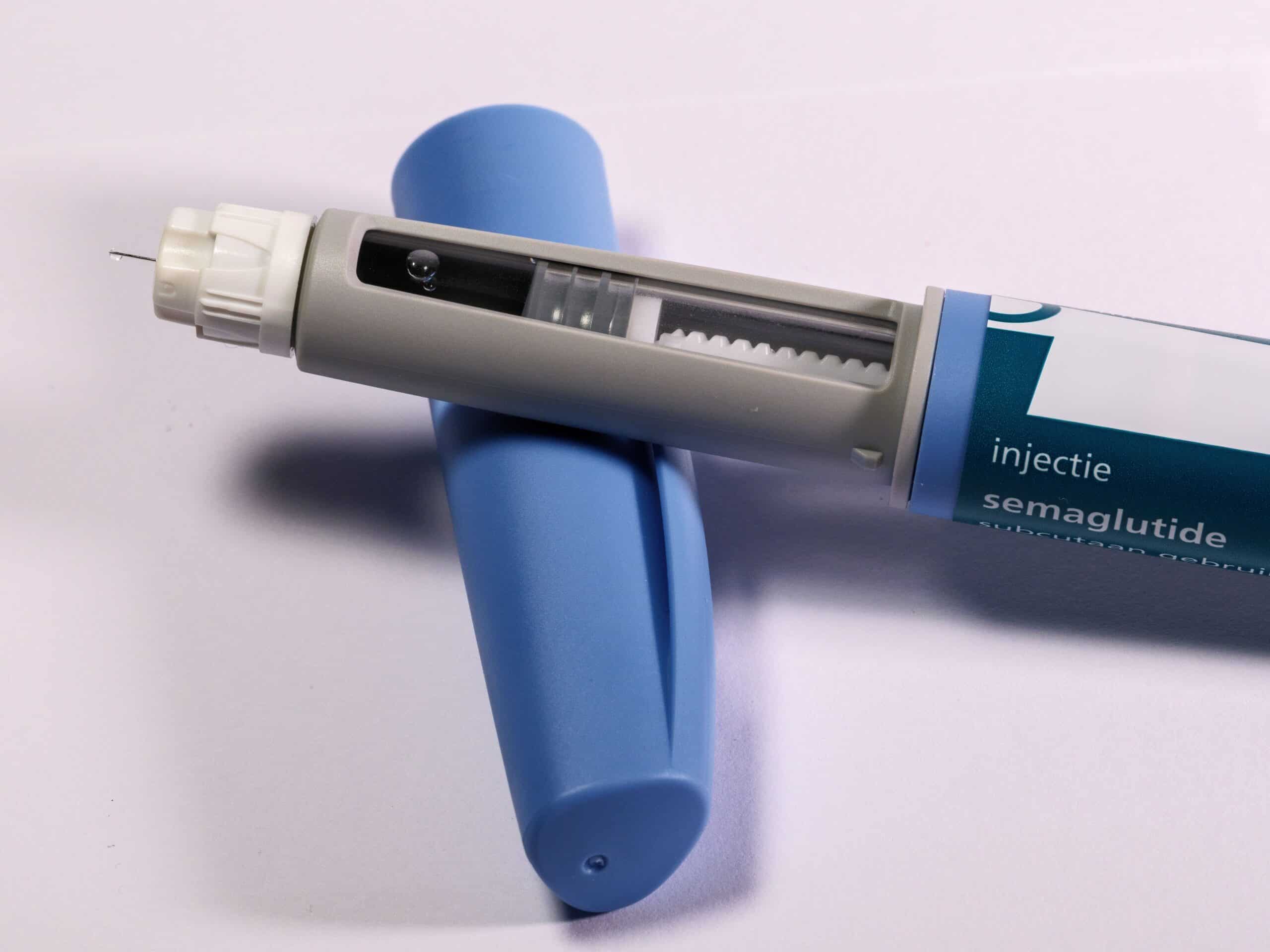
The FDA is requiring new warnings on GLP-1 medicines over a potential link to NAION, a rare cause of permanent sight loss. The condition can take away part of someone’s vision without causing any pain. What does the disease do to your body, and can it be cured, if at all?
FDA’s safety announcement, released on 9 November, covers the drug class, including semaglutide, sold as Ozempic and Wegovy, and tirzepatide, sold as Mounjaro and Zepbound. These medicines are used for diabetes or weight management, depending on the product.
The FDA reviewed the medical records and clinical trials that led to the decision. The agency found 15 likely cases of NAION out of 126 trials.
The annual rate of cases per 100,000 patients taking GLP-1 medications was 6.4 after accounting for the length of time patients were followed, compared to 3.8 per 100,000 patients receiving a placebo or another treatment for diabetes.
Here is how NAION develops and what it does to your sight.
Disclaimer: This article is for general informational purposes only and cannot replace individual medical evaluation. Talk to your healthcare provider about symptoms and any changes to prescribed treatment.
To begin with, what is NAION?
NAION stands for non-arteritic anterior ischaemic optic neuropathy. When the blood supply to the front of the optic nerve is disrupted, it causes damage. Imagine this nerve as the eye’s signal cable, carrying visual information to the brain.
When the blood supply is disrupted, the nerve can swell and sustain permanent damage. The end result is a blurred or missing area of vision, usually in one eye. The swelling eventually goes down, but the damage may remain.
‘Non-arteritic’ distinguishes it from a different condition caused by inflammation of the arteries. Doctors need to tell them apart because their treatment differs, according to the NHS.
Read more: Robbie Williams Warns of Possible Vision Problems Linked to Weight-Loss Injections
What are NAION symptoms and risk factors?
Typical symptoms include:
- Sudden, usually painless blurring or dimming, most often in one eye.
- A fixed grey or dark patch, sometimes covering the upper or lower half of what someone can see.
- Changes in colour vision or difficulty seeing clearly in dim light.
Some people notice the change as soon as they wake up. The severity of vision loss varies; losing all sight in the affected eye is unusual.
NAION is most common after the age of 50, but recognised risk factors include diabetes, high blood pressure, high cholesterol, smoking, and sleep apnoea (repetitive pauses in breathing during sleep).
A naturally dense arrangement of fibres at the front of the optic nerve also increases vulnerability, according to the American Academy of Ophthalmology.
Sudden loss of vision or a new missing area needs urgent eye assessment, even without pain. Symptoms alone cannot establish NAION, while other causes of sudden sight loss may need immediate treatment, the UK government guidance says.
Can NAION be cured?
We’ve got some bad news.
There is currently no proven medicine or surgery that reliably restores vision lost to NAION, according to the American Academy of Ophthalmology. Some people experience partial improvement over weeks or months, while others have little or none.
Some recovery in the sharpness of central vision is possible, but missing areas of the visual field usually persist, the North American Neuro-Ophthalmology Society posited. The other eye can also be affected later.
Therefore, in addition to providing assistance for coping with vision loss, care encompasses monitoring cardiovascular health (blood pressure, diabetes, cholesterol, and sleep apnoea).
Read more: Uzbekistan clarifies e-prescription rules, confirming access for foreign Patients
The NHS says that services for people with low vision can make everyday tasks easier. Additionally, a rapid evaluation can rule out giant cell arteritis, an inflammatory condition that causes comparable blurred vision and necessitates rapid medical intervention.
