Jensen Huang was pushed out by US politics, Nvidia’s China staff suspect

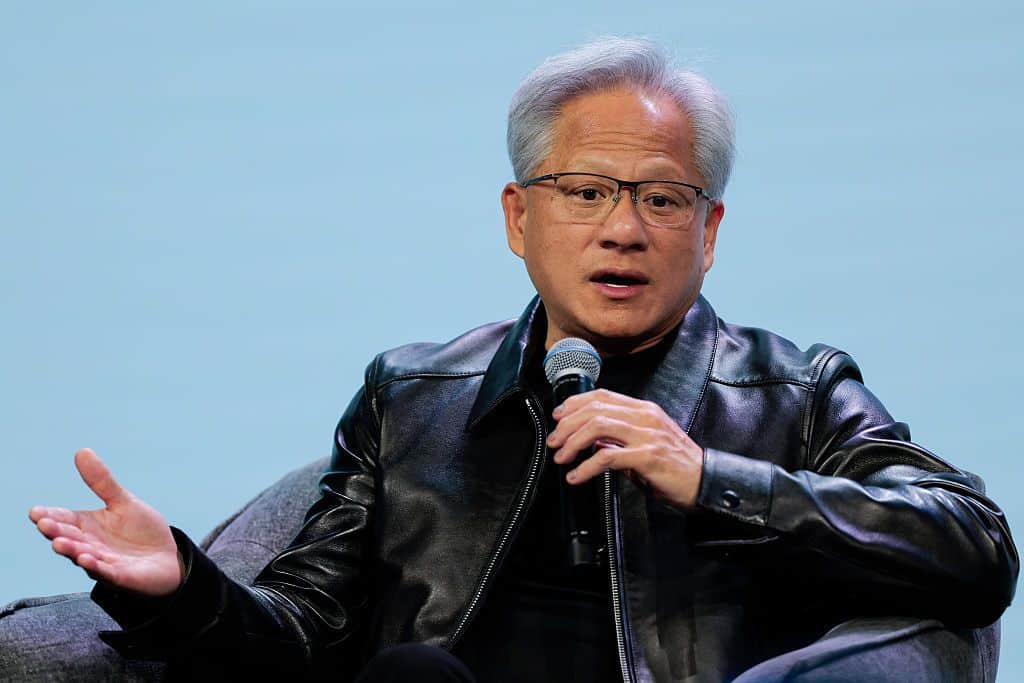
Some Nvidia employees in China believe US political pressure ultimately forced Jensen Huang out of the company, rather than the scandal surrounding his personal relationships alone.
The suspicion is widespread among Chinese staff, according to SCMP, although there is no confirmed evidence that political interference caused his departure.
Huang resigned as Nvidia’s chief executive on November 12 after 33 years leading the chipmaker. The company appointed chief financial officer Colette Kress as interim CEO while its board searches for a permanent replacement.
His departure followed reports of extramarital relationships, including one with a Chinese businesswoman suspected by US intelligence officials of working for Beijing. China has denied the espionage allegations.
NVIDIA CEO JENSEN HUANG is enjoying his stay in China; he did not leave with DONALD TRUMP. Life in China offers a unique pleasure and a different feeling. https://t.co/wpbtNiO3ml
— China Now (@ChinaNow24) May 20, 2026
For some Nvidia employees in China, however, the circumstances have raised more questions than answers.
«It’s the end of an era. I really don’t understand why Huang was asked to resign – no one benefits from him stepping down,» one employee told the South China Morning Post anonymously.
Another employee recalled Huang’s regular visits to China for Lunar New Year celebrations and his willingness to spend time with local teams. The employee described him as extremely popular among Chinese colleagues.
🇨🇳China is so safe that billionaires can walk around in public. Jensen Huang, CEO of NVIDIA, is shopping for fruit in Shanghai. 👇Fact✔️ https://t.co/FqH3pVjun1
— Jason Smith – 上官杰文 (@ShangguanJiewen) January 25, 2026
Why do Chinese employees suspect political pressure?
Their suspicions centre on Huang’s long-running disagreements with US policymakers over restrictions on advanced chip exports to China.
Huang repeatedly argued that preventing Chinese companies from buying American AI processors would encourage them to develop domestic alternatives, potentially weakening Nvidia’s position in one of its most important markets.
Things you don’t get in the West. Jensen Huang tries out Huawei’s tri-fold phone in Beijing — it’s too funny! #US #China https://t.co/zgmIrVC03u
— Johannes Maria (@luo_yuehan) May 15, 2026
He also maintained close relationships with Chinese customers and made regular visits to the country, personally defending Nvidia’s commercial interests despite growing scrutiny in Washington.
That approach put him at odds with US lawmakers seeking tougher limits on China’s access to advanced AI technology.
The controversy surrounding his personal relationships emerged as Washington was already examining Nvidia’s dealings with China and whether its chips were reaching restricted customers.
Here’s a younger Jensen Huang, long before NVIDIA became an AI giant, casually switching between Chinese and English in a 2008 interview. He talks about leaving Taiwan as a child, growing up in Thailand, moving to America at around 10, and being quite the troublemaker. https://t.co/BOpVyaUgYe
— China pulse 🇨🇳 (@Eng_china5) November 13, 2026
On November 11, US senators Elizabeth Warren and Chris Coons called for the preservation of government records concerning Nvidia’s chip exports and intelligence reports suggesting Huang had been targeted by a suspected Chinese intelligence operation.
The timing has fuelled speculation that political hostility towards Huang’s China policy contributed to his removal.
The board had previously launched an independent investigation, while Nvidia said it had no reason to believe company secrets or US national security had been compromised.
