Von der Leyen Urges EU Foreign Policy Reform after Hungary Election Shift

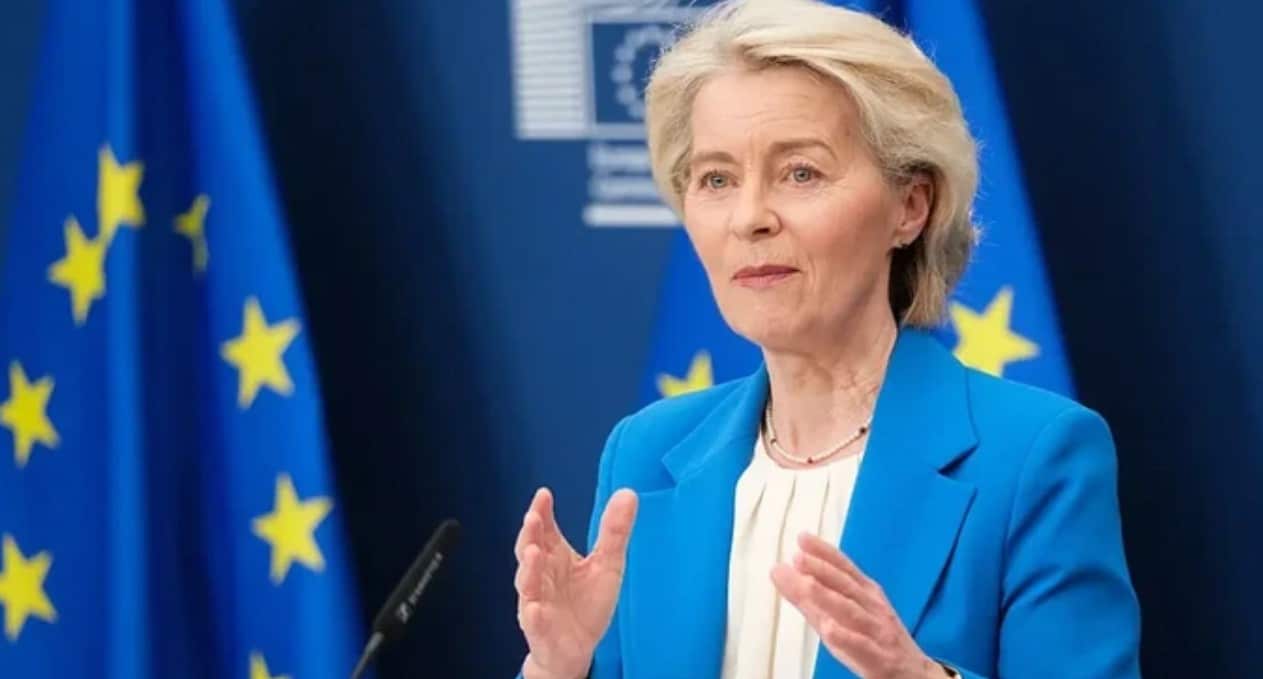
Ursula von der Leyen has called for sweeping reforms to the European Union’s foreign policy decision-making following the election victory of Peter Magyar, which ended Viktor Orban’s 16-year rule.
Speaking shortly after the result, von der Leyen urged member states to «use the momentum» to reconsider the bloc’s unanimity rule in foreign policy. She proposed expanding qualified majority voting to prevent individual countries from blocking key decisions, particularly on sanctions and financial support for Ukraine.
Orban had frequently used Hungary’s veto power to delay or dilute EU measures targeting Vladimir Putin and to resist aid packages for Kyiv. His defeat is seen by many EU officials as an opportunity to strengthen unity within both the EU and Nato on Russia-Ukraine policy.
However, Magyar has taken a cautious stance, signalling he will review outstanding regional issues before committing to major EU funding initiatives, including a proposed €90bn loan for Ukraine.
At the same time, Budapest has indicated a gradual shift away from Russian energy dependence. Magyar has pledged to reduce reliance on Russian imports by 2035, while reassessing key projects such as the Moscow-backed Paks II nuclear plant. He warned that geographic and economic realities mean the transition will take time, though closer cooperation with Western partners could accelerate the process.
Magyar’s Tisza party secured a two-thirds parliamentary majority, giving it the authority to reverse constitutional changes introduced under Orbán and reform state institutions. While supporters describe the result as a democratic reset, diplomats caution that Hungary’s policy direction may evolve gradually, reflecting Magyar’s conservative but pro-European approach.
The outcome marks a significant shift in EU politics, potentially easing long-standing divisions over foreign policy and opening the door to deeper integration on key geopolitical issues.
From economics and politics to business, technology and culture, Kursiv Uzbekistan brings you key news and in-depth analysis from Uzbekistan and around the world. To stay up to date and get the latest stories in real time, follow our Telegram channel.
