German Military Museum in Koblenz Bans Citizens of Uzbekistan

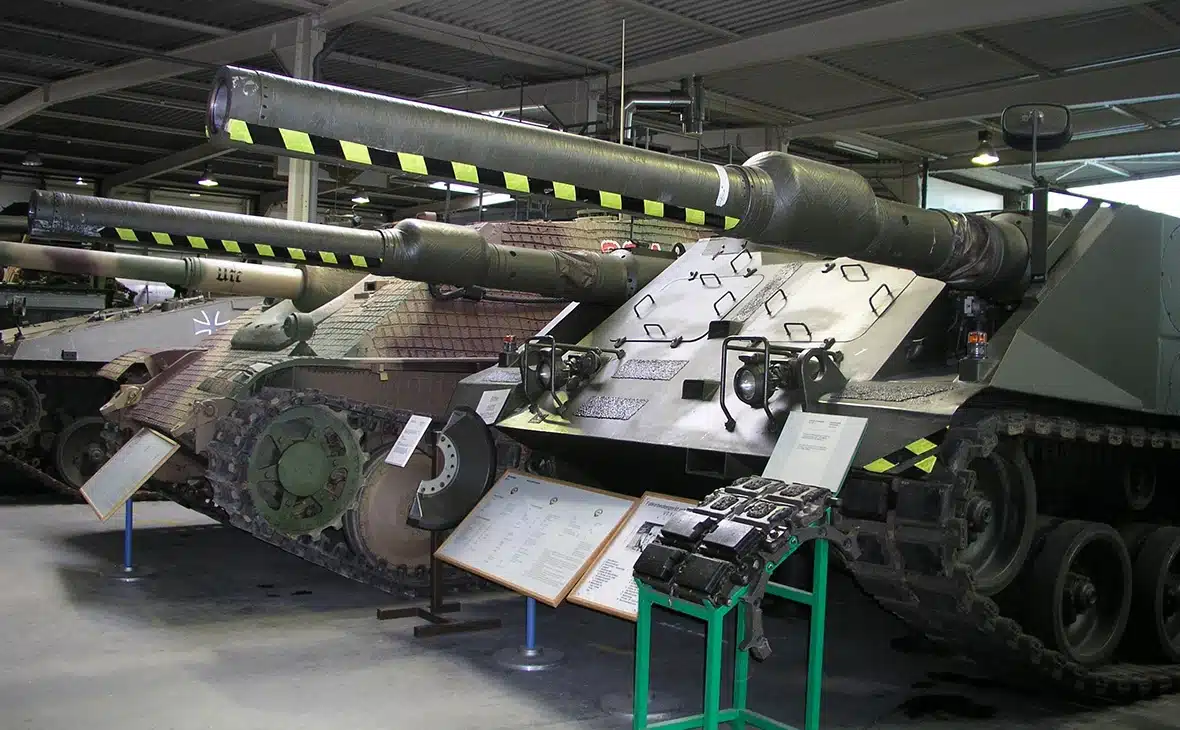
A prominent military hardware museum in Koblenz, Germany, has introduced an entry ban affecting nationals from 26 different countries. The new restriction, which has been in place since March of this year, prevents citizens of Uzbekistan from visiting the facility.
Management at the institution justified the controversial decision by citing national legislation concerning security and reliability checks. Alongside Uzbek nationals, the broad prohibition also applies to visitors holding passports from Kazakhstan, Russia and Ukraine.
The museum’s origins can be traced back to a West German military testing ground established during the 1960s. Today it stands as one of Europe’s most extensive collections of military engineering and technology, all housed within the historic Langemarck barracks.
Its sprawling exhibition features an impressive array of military hardware, including the First World War-era FT 17 alongside modern Leopard 1 and Leopard 2 main battle tanks. The collection also boasts a unique selection of prototypes and pre-production vehicles developed by Germany and various NATO member states.
Notable examples on display include the Marder 2 infantry fighting vehicle and the Kampfpanzer 70 joint tank project.
In addition to heavy armour, the facility allows visitors to explore a comprehensive assortment of small arms, artillery pieces and different types of armoured transport. Standard admission to the museum currently costs three euros, while serving members of the German armed forces are granted free entry.