Iran Signals Possible Safe Passage in Strait of Hormuz Amid U.S. Talks

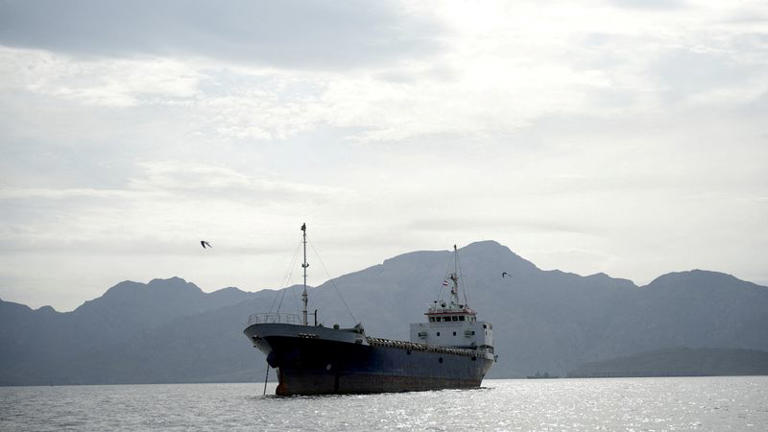
Iran may allow ships to pass safely through parts of the Strait of Hormuz as part of proposals in ongoing negotiations with the United States, according to a source familiar with the discussions.
The proposal would permit vessels to sail through the Omani side of the narrow waterway without risk of attack, potentially easing a major disruption to global energy supplies. The strait is one of the world’s most critical chokepoints, handling around 20% of global oil and liquefied natural gas shipments.
Since the outbreak of conflict involving Iran on February 28, hundreds of tankers and other vessels, along with an estimated 20,000 seafarers, have been stranded in the Gulf due to interruptions in maritime traffic.
The source said Tehran’s willingness to ensure safe passage would depend on whether Washington meets its broader demands in negotiations aimed at preventing further escalation. However, it remains unclear whether Iran would remove any naval mines or extend safe transit to all ships, including those linked to Israel.
The White House has not yet commented on the proposal, which could mark a significant step toward de-escalation if both sides reach an agreement.
The situation in the Strait of Hormuz continues to be closely watched by global markets, as any prolonged disruption threatens energy supplies and international trade routes.