Hungary PM-Elect Signals Netanyahu Arrest Risk Over ICC Commitment

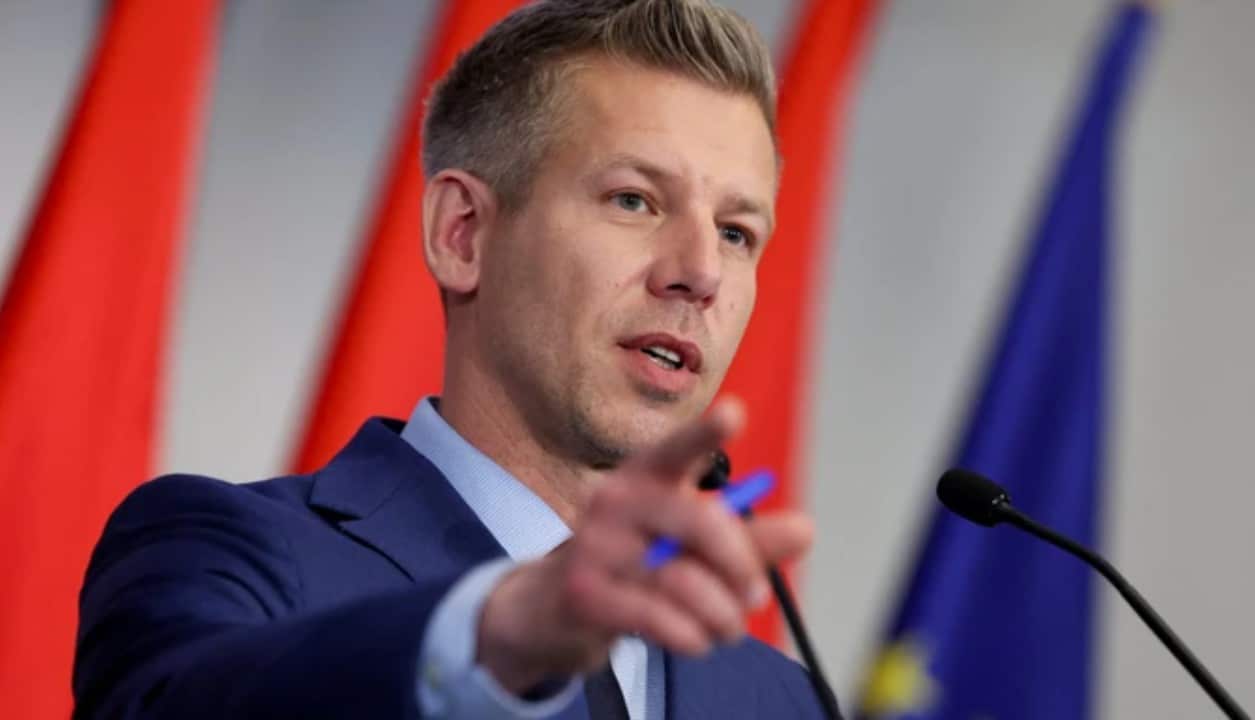
Hungary’s incoming prime minister Peter Magyar has vowed to keep the country within the International Criminal Court and enforce its arrest warrants, warning that Israeli leader Benjamin Netanyahu would be detained if he entered Hungarian territory.
Magyar’s statement marks a sharp policy reversal from outgoing Prime Minister Viktor Orban, whose government had initiated Hungary’s withdrawal from the ICC and previously declined to act on the court’s warrant during Netanyahu’s 2025 visit.
Break from Orbán’s approach
Under Orban, Hungary moved to exit the ICC in protest against its actions targeting Israeli leadership. The withdrawal was expected to take effect in June, which would have made Hungary the only European Union member outside the court’s jurisdiction.
Magyar has now pledged to halt that process, positioning his administration closer to Brussels and potentially improving strained ties with the EU.
Legal obligations and EU tensions
As an ICC member, Hungary is legally required to detain individuals subject to arrest warrants. The court issued a warrant for Netanyahu in November 2024 over alleged war crimes in Gaza.
However, enforcement across Europe has been inconsistent. Countries such as France, Germany and Italy have questioned whether sitting heads of government are protected by diplomatic immunity, exposing divisions within the EU over how international law should be applied.
Magyar’s stance places Hungary among the stricter adherents to ICC rules, potentially setting up a broader test for European unity.
Risk of diplomatic fallout
The issue could come to a head later this year, as Netanyahu has reportedly been invited to a commemorative event in Hungary. If the visit proceeds under Magyar’s leadership, authorities could face pressure to act on the warrant.
Any attempt to arrest the Israeli prime minister would likely trigger a major diplomatic confrontation, with implications for EU-Israel relations and wider geopolitical tensions.
Israel has not yet issued an official response, but analysts expect efforts to avoid or challenge any enforcement scenario.