

Uzbekistan has made its debut at Milan Design Week 2026 with When Apricots Blossom, an immersive exhibition at Palazzo Citterio exploring the environmental crisis of the Aral Sea and the role of culture in addressing it.
Organised by the Uzbekistan Art and Culture Development Foundation, the project places the spotlight on Karakalpakstan, a region deeply affected by the shrinking of the Aral Sea. Once one of the world’s largest inland bodies of water, the sea has largely disappeared, leaving behind desert landscapes and struggling communities.
Reframing the Aral crisis
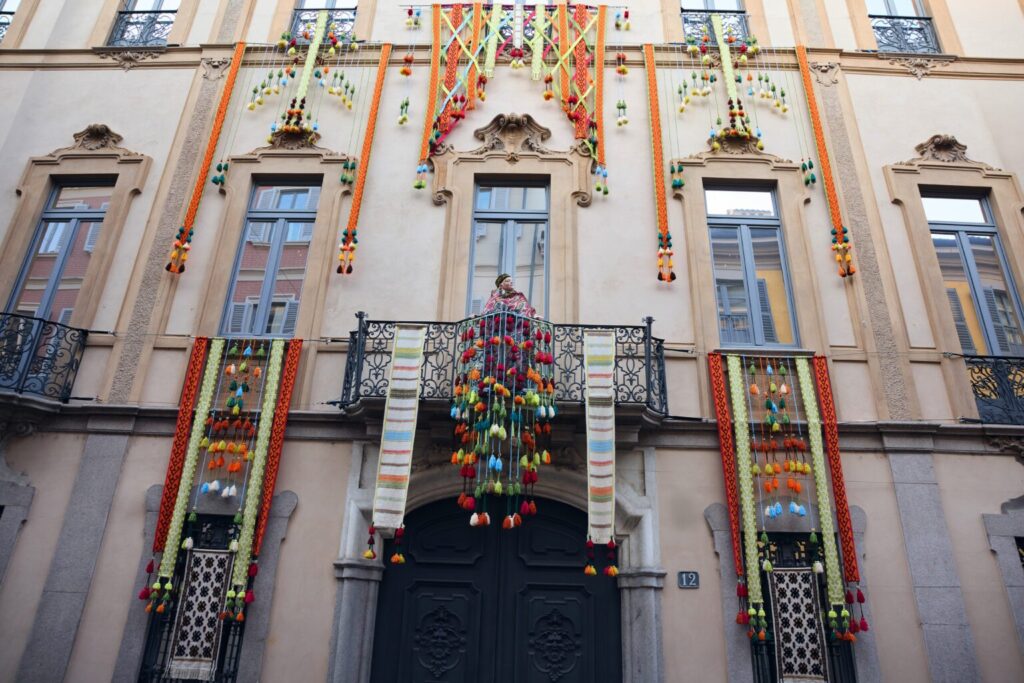
The exhibition traces the transformation of the region while offering a forward-looking perspective. Rather than focusing solely on environmental loss, it highlights how local communities adapt through knowledge, craft, and creativity.
Tradition meets contemporary design

At the heart of the project are traditional practices such as bread-making, yurt-building, and textile craftsmanship. These are presented as living systems of knowledge rather than relics of the past.
International designers have collaborated with Uzbek artisans to create contemporary works inspired by these traditions. Among them are reinterpretations of traditional bread stamps (chekich), crafted from materials including wood, ceramics, and felt.
Architecture as a symbol of resilience
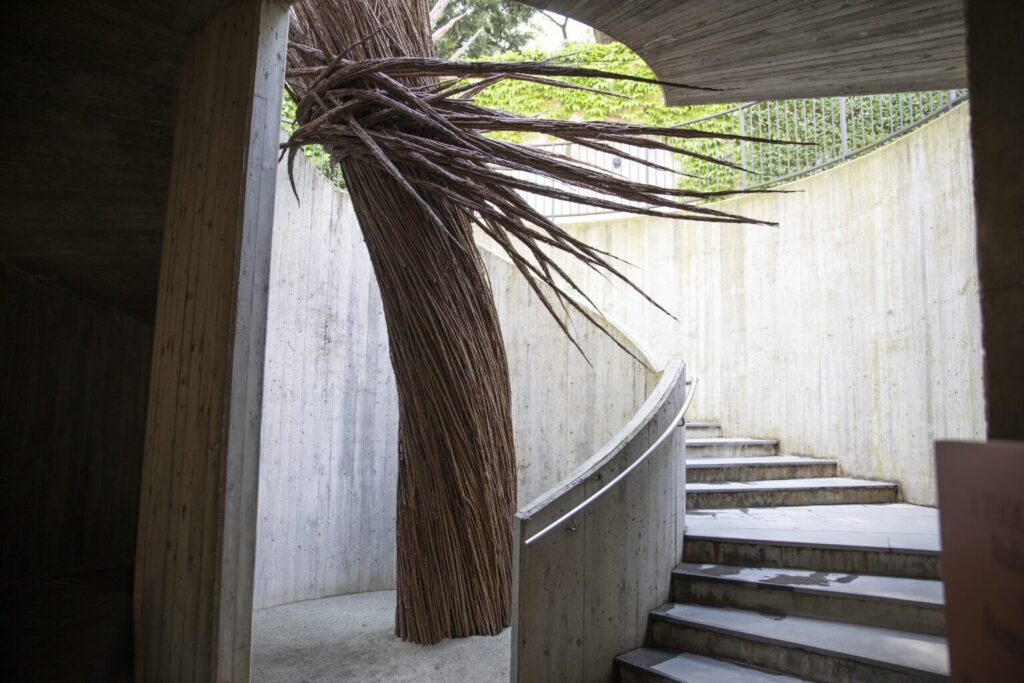
Curator Kulapat Yantrasast has designed a «deconstructed yurt» pavilion in the garden of Palazzo Citterio. Inspired by nomadic architecture, the structure serves as a space for talks, workshops, and dialogue on sustainability and adaptation.
A platform for global dialogue
The exhibition also features a new film about the region and works by participants of the Aral School, an international programme dedicated to research and creative exploration.
According to Gayane Umerova, the project aims to present Karakalpakstan not only as a site of environmental tragedy, but as a place of resilience and possibility.
Running until April 26, the exhibition positions Uzbekistan as an emerging voice in global conversations on climate, culture, and the future of communities facing environmental change.
From economics and politics to business, technology and culture, Kursiv Uzbekistan brings you key news and in-depth analysis from Uzbekistan and around the world. To stay up to date and get the latest stories in real time, follow our Telegram channel.