

Public opinion has always been uneven terrain, especially for women. In the court of celebrity culture, male stars with serious allegations often continue working with minimal long-term backlash, while women can find themselves relentlessly scrutinized over far less. This imbalance isn’t new, and it continues to shape how audiences respond to female public figures.
That context makes the case of Sydney Sweeney particularly complicated. Her rise seemed to follow a trajectory that resonated with a wide and diverse audience. She wasn’t born into industry privilege, built her career steadily, and earned recognition for her performances rather than connections. In an era saturated with carefully manufactured personas, she initially stood out as refreshingly multidimensional.

Sweeney’s appeal extended beyond acting. Stories about her restoring cars, training in combat sports, and excelling academically created an image that broke from stereotypical Hollywood molds. She appeared to represent a version of success that didn’t rely solely on aesthetics—even though she undeniably fit conventional beauty standards.
So why has the narrative around her shifted?
The «Pick-Me» Label — and Why It Sticks
The term «pick-me girl» has become a cultural shorthand, often used to describe women perceived as seeking male approval by distancing themselves from other women. It’s a loaded label — sometimes unfairly applied, sometimes revealing deeper tensions about gender expectations.
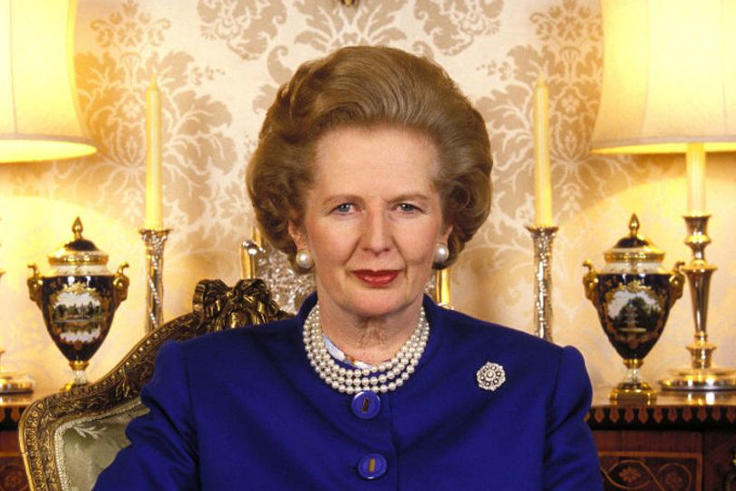
Historically, critics have drawn parallels to figures like Margaret Thatcher, who was often described as succeeding within male-dominated systems without actively advocating for broader female representation. Whether that comparison is fair or not, it highlights a recurring cultural anxiety: the idea of women navigating power structures by aligning with them rather than challenging them.
In Sweeney’s case, the criticism centers less on her success and more on how she presents it.
Branding, Image, and Audience Drift
Much of the recent debate around Sweeney stems from her evolving public image. Her career has increasingly leaned into campaigns and branding that emphasize traditional attractiveness and appeal to a predominantly male audience. That, in itself, isn’t inherently controversial — many performers navigate similar territory.

The tension arises from the contrast between that strategy and her public reactions to it. Critics argue that expressing discomfort with objectification while simultaneously participating in highly sexualised or male-gaze-driven campaigns creates a disconnect.
Her business ventures have also sparked discussion. Promotional choices, such as novelty products or provocative marketing, have been interpreted by some as calculated attempts to capitalize on internet culture and controversy. Again, not unusual in today’s attention economy, but enough to shift how audiences interpret her authenticity.
Politics, Associations, and Perception
Public figures rarely exist in a vacuum. Associations, whether political, professional, or personal, can quickly reshape how audiences interpret someone’s identity.
Reports about Sweeney’s political affiliations and the public support she has received from polarizing figures have intensified scrutiny, particularly among younger and more progressive audiences who initially formed a large part of her fanbase. Similarly, her rumored relationships and industry connections have been folded into broader narratives about alignment, values and influence.
None of this exists in isolation. In a hyperconnected media environment, every endorsement, collaboration, or perceived stance becomes part of a larger story.
The Audience She Lost
Perhaps the most significant shift is not in what Sweeney has done, but in who feels represented by her now.

Early in her career, she attracted a strong following among women who saw her as relatable, capable, and somewhat unconventional. As her image evolved, some of that audience began to feel distanced from her brand. That disconnect became particularly visible around projects that might otherwise have resonated strongly—stories centered on women, identity, or underrepresented experiences.
When a public figure’s core audience no longer feels aligned with their messaging, the consequences often show up not in headlines, but in quieter metrics: engagement, support, and turnout.
A Familiar Pattern
Sweeney’s trajectory reflects a broader pattern in celebrity culture. The same qualities that fuel a rapid rise—distinctiveness, relatability, and perceived authenticity — can become points of tension as fame grows and branding becomes more strategic.
The question «Where did it all go wrong?» may not have a single answer. It may instead reflect the friction between expectation and evolution: the version of a public figure audiences connect with versus the version that emerges over time.
And in an industry that rewards reinvention but punishes inconsistency, that gap can be difficult to navigate.