$1.2 Bn Solar Boost: ADB Bankrolls Central Asia’s Green Revolution

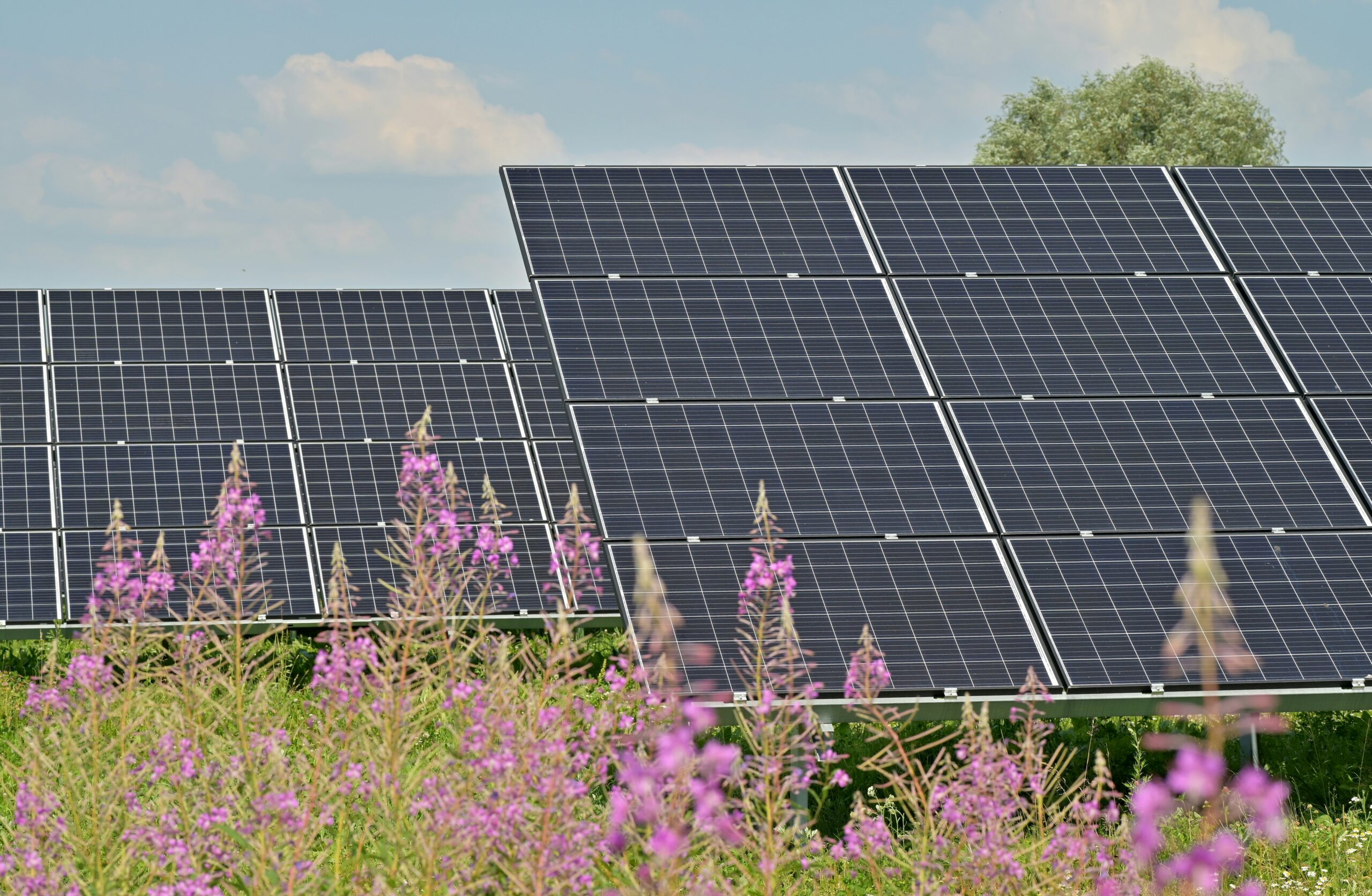
The Asian Development Bank (ADB) has mobilised a staggering $1.2 bn in combined private and partner capital to bankroll landmark renewable energy projects in Uzbekistan.
Detailed in the institution’s newly released 2025 Annual Report, this massive financial injection underscores a decisive shift towards green infrastructure and sustainable private sector growth across Central Asia.
Uzbekistan: A billion-dollar solar hub
To help unlock the republic’s green energy potential, the $1.2 bn funding block was directed primarily towards two massive 500-megawatt solar energy facilities. The push for public-private partnerships yielded further significant results as the bank achieved financial closure on a separate 300-megawatt solar plant.
This move forms part of a broader ADB strategy that successfully secured $781.2 mln in private investment for various developing member nations last year.
Specific loan allocations detailed in the 2025 report include $12.5 mln for the Guzar Solar and Battery Energy Storage initiative alongside two distinct $35 mln loans for the Samarkand 1 and Samarkand 2 solar photovoltaic and battery storage developments.
Driving electric mobility in the Kyrgyz Republic
Beyond sheer energy generation, the ADB is channelling substantial funds into sustainable urban transport to tackle pollution. In the Kyrgyz Republic, the bank is actively working to improve urban mobility, reduce traffic congestion and enhance air quality through the rollout of modern battery-electric buses in Bishkek.
Highlighting the importance of this transit initiative, ADB President Masato Kanda personally test-drove one of the new electric vehicles during an official visit to the capital in November 2025.
A vision for regional resilience
Meanwhile, the bank’s internal Development Effectiveness Committee dedicated considerable time to reviewing major evaluations of the Kazakhstan country assistance programme. This ongoing oversight ensures that funded operations achieve their desired development outcomes efficiently.
Across the wider region, these mega-projects reflect the bank’s core strategy to spur a vibrant private sector capable of generating the jobs, investment and innovation essential for a more resilient Central Asia.
Emphasising the value of expanded local operations to oversee these massive regional investments, President Kanda stated:
«A larger presence in our DMCs allows us to enhance the quality and frequency of dialogue with governments, have a deeper understanding of local challenges and deliver results faster on the ground.»