United Arab Emirates to Exit OPEC in Strategic Shift

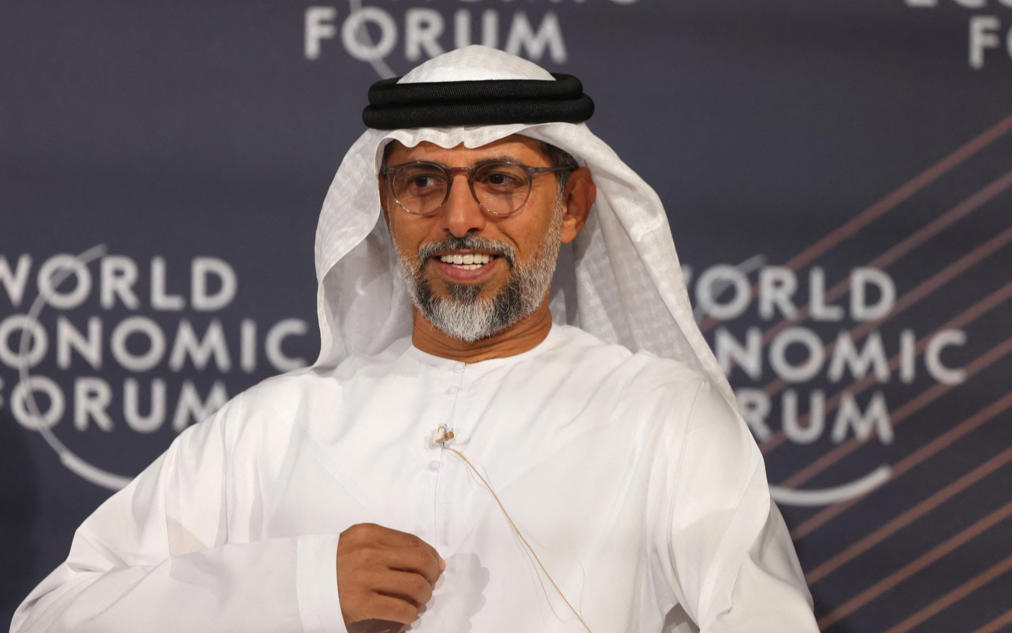
The United Arab Emirates has announced it will leave OPEC on May 1, marking a major shift in global energy dynamics.
Energy Minister Suhail Al Mazrouei said the decision reflects the country’s long-term strategy to expand its energy sector and increase production capacity. The UAE, a member of OPEC since 1967, is among the world’s top oil producers.
The move is seen as a setback for Saudi Arabia, which has traditionally led the cartel’s efforts to manage global oil supply and stabilise prices. By leaving, the UAE will no longer be bound by production quotas and could increase output once regional tensions ease.
The announcement comes amid ongoing disruptions linked to the Strait of Hormuz, which have curtailed UAE exports and contributed to volatility in global energy markets.
Despite its exit, the UAE said it would continue to act responsibly in supplying oil, adding that any increase in production would be gradual and aligned with market conditions.
Oil prices rose following the news, reflecting concerns over the potential impact on OPEC’s ability to coordinate supply and influence global markets.