Trump Rejects Latest Iranian Peace Proposal as U.S. Withdraws Troops from Germany

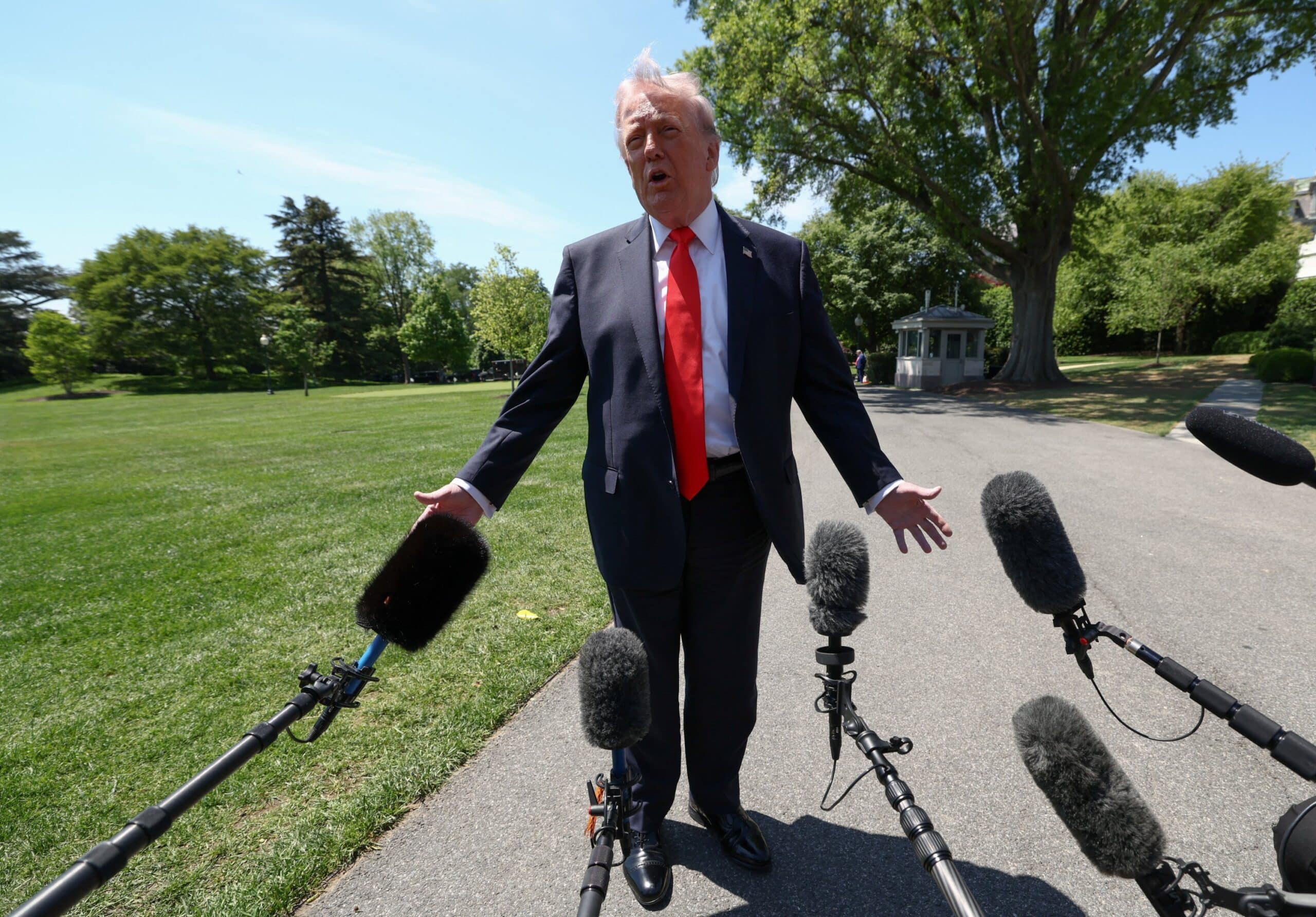
U.S. President Donald Trump has dismissed the most recent diplomatic proposal from Tehran regarding the ongoing conflict in Iran. However, the Iranian foreign minister has indicated that his country remains open to negotiations if Washington alters its current strategy, Reuters reports.
The president’s remarks suggest that the stalemate in the two-month war is set to continue despite his desire to conclude a military campaign that is highly unpopular with the American public. Furthermore, the crisis has severely strained relations between the US and its traditional European allies.
On Friday, Washington announced the withdrawal of 5,000 troops from Germany. This decision follows mounting friction with German Chancellor Friedrich Merz who recently stated that the Iranians were humiliating the U.S. and criticised the Americans for lacking a clear exit strategy. A senior Pentagon official spoke anonymously to describe the German chancellor’s comments as both inappropriate and unhelpful.
Struggling to strike a deal
Although active combat operations have been paused since a ceasefire took effect on April 8, Washington and Tehran remain deeply divided over issues such as Iran’s nuclear programme and control of the strategic Strait of Hormuz. Following a brief summit between senior officials in Islamabad last month, the two sides have struggled to organise further discussions.
Details of the latest Iranian offer remain unclear but Trump told reporters at the White House that the terms were unacceptable. He claimed the Iranian leadership is heavily fractured and asking for concessions he simply cannot grant. Speaking later at a rally in Florida, the president stressed he would not agree to a premature resolution that would merely delay a renewed confrontation for another three years.
Economic fallout and military readiness
Trump remains under immense pressure to break Iran’s blockade of the Strait of Hormuz, a critical chokepoint that handles a fifth of global oil and gas supplies. Oil markets reacted to news of a potential diplomatic breakthrough on Friday with benchmark Brent crude slipping by 1% to around $109 a barrel after reaching a four-year high earlier in the week.
Iranian Foreign Minister Abbas Araqchi stated that Tehran is willing to engage diplomatically provided the U.S. abandons its excessive approach, threatening rhetoric and provocative actions. In a post on his Telegram channel, Araqchi warned that Iran’s military is fully prepared to defend the nation against any aggression.
According to sources speaking to Reuters, Tehran has activated its air defence systems in anticipation of a potential short and intensive American strike that could be followed by an Israeli assault.
Blockades and sanctions
Addressing the legal parameters of the conflict, Donald Trump informed congressional leaders that he does not require their approval to extend military operations beyond a legally mandated Friday deadline because the recent ceasefire technically terminated hostilities. When asked about his strategy, he questioned whether the U.S. should completely obliterate the enemy or attempt to strike a deal, while noting that on a human level he prefers to avoid further military action.
The war began on February 28 with a series of joint U.S. and Israeli strikes and has already claimed thousands of lives. The ongoing closure of the Strait of Hormuz has also sparked fears of a severe global economic downturn.
Meanwhile, the U.S. Navy is actively blocking Iranian crude oil exports and has intercepted 45 commercial vessels so far. The U.S. Treasury has warned that any shipping companies paying transit tolls to Iran or making charitable donations to groups like the Iranian Red Crescent Society will face harsh punitive sanctions.
Looking ahead
The conflict has heavily exacerbated Iran’s economic struggles but the country appears capable of weathering the U.S. blockade for the time being. In a public message, Supreme Leader Mojtaba Khamenei urged domestic businesses impacted by the war to avoid laying off workers wherever possible.
Internationally, pressure is mounting to resolve the crisis. China’s ambassador to the UN, Fu Cong, declared that maintaining the ceasefire and reopening the vital shipping lane is an urgent global necessity. He added that the closure of the strait will undoubtedly dominate the agenda during upcoming talks between Donald Trump and Chinese leader Xi Jinping when the U.S. president visits Beijing later this month.
