ADB Commits $70 Bn to Revolutionise Asia-Pacific Energy and Digital Networks by 2035

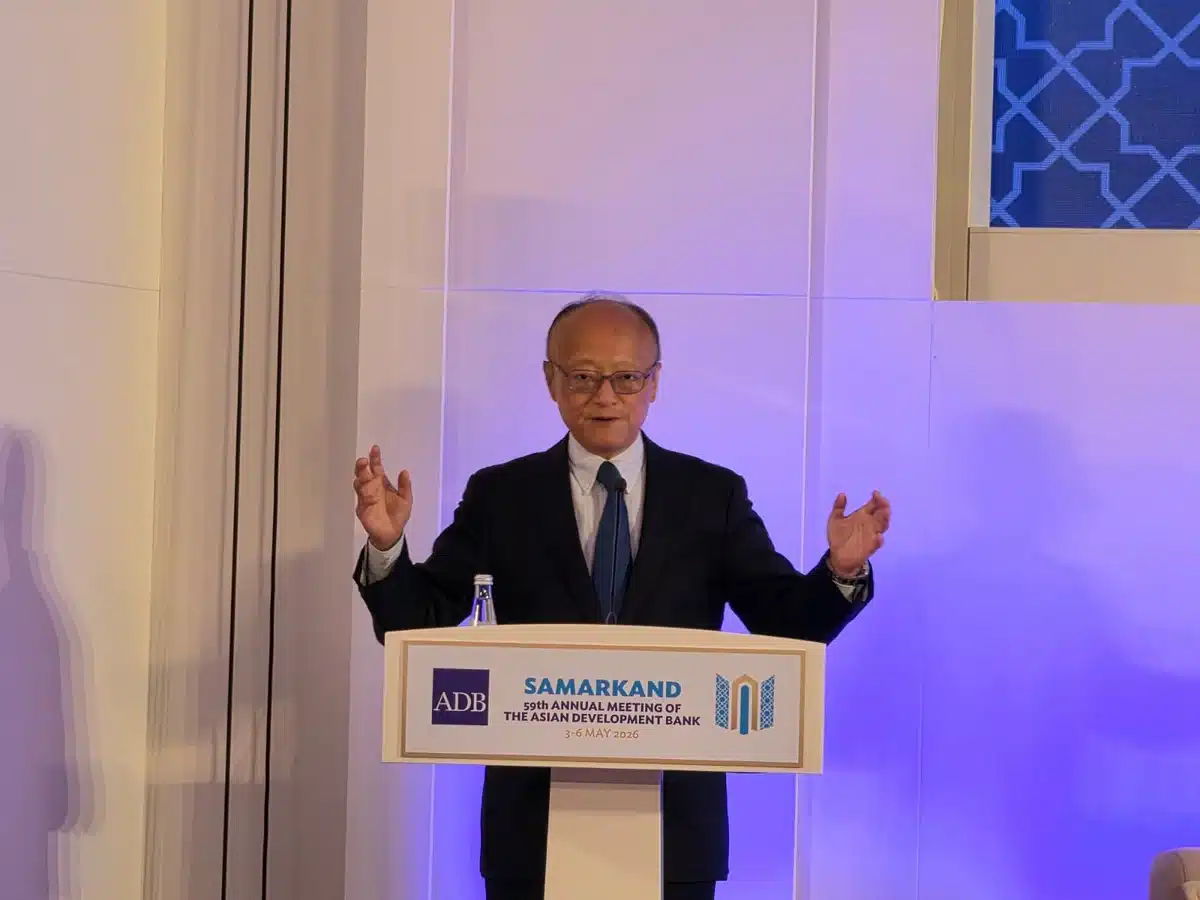
The Asian Development Bank (ADB) is set to channel $70 bn into the development of transnational energy grids and digital infrastructure across the Asia-Pacific region by 2035.
Masato Kanda, the president of the bank, unveiled these ambitious plans during a press conference at the organisation’s annual meeting in Samarkand. According to Kanda, widespread access to modern energy and digital technologies will serve as the primary catalyst for regional growth.
Merging national power systems and digital networks is expected to drastically cut operational costs, enhance infrastructure resilience and provide millions of citizens with vital electricity and internet connectivity.
A two-pronged investment strategy
The massive funding initiative is divided into two core areas:
- Cross-Border Energy Grids (PAGI): Receiving the lion’s share of the budget at approximately $50 bn, this phase focuses on constructing tens of thousands of kilometres of power lines. The programme aims to integrate renewable energy sources seamlessly into the grid while driving down carbon emissions. This monumental engineering effort is projected to deliver reliable electricity to roughly 200 mln people and generate hundreds of thousands of jobs.
- Digital Infrastructure Expansion: Backed by $20 bn in financing, this segment targets the rapid expansion of fibre-optic networks, satellite communications and modern data centres. By 2035, the initiative aims to bring 200 mln people online for the very first time while upgrading connection quality for hundreds of millions of existing users. Furthermore, internet access costs in remote or underserved areas could plummet by as much as 40%.
Skills development and regional integration
Alongside physical infrastructure, the ADB is investing in human capital. A new artificial intelligence development centre will be established in South Korea to train the next generation of digital specialists. This facility will place a strong emphasis on empowering young people and women in the tech sector.
Bank officials highlighted that this comprehensive initiative marks a crucial shift towards deeper regional integration. It builds directly upon successful cooperative programmes already operating throughout Asia, particularly those based in Central Asia.
During his address, Kanda specifically emphasised the strategic importance of Uzbekistan as an anchor partner in this endeavour. He noted that the host nation stands to gain immensely from strengthened energy and digital links with its neighbours, a move that will ultimately fuel domestic economic growth and help bridge the inequality gap.