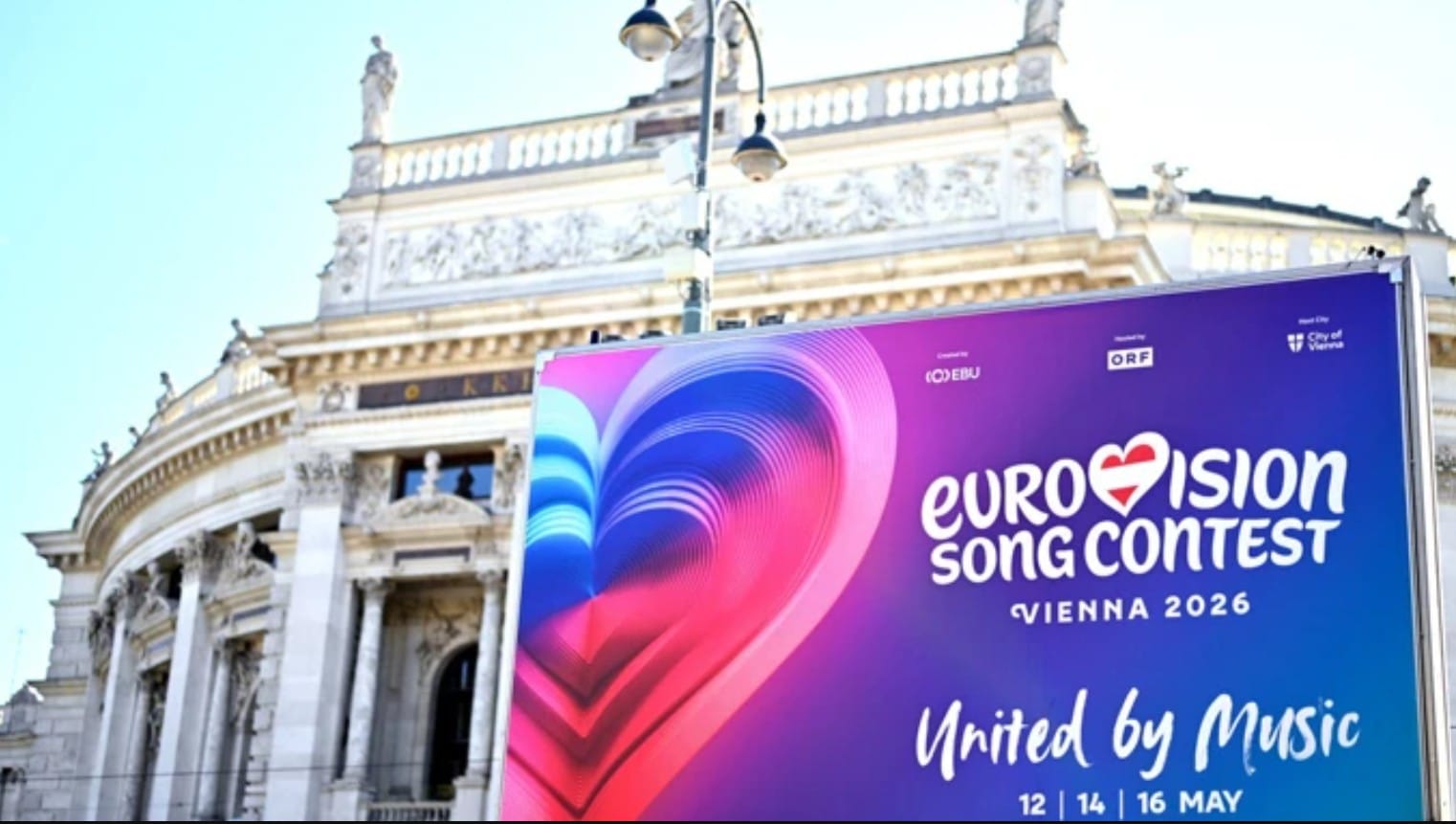
Five countries have withdrawn from the 2026 Eurovision Song Contest in protest against Israel’s participation amid the ongoing Gaza conflict, exposing deep political divisions within the event.
Spain’s high-profile withdrawal reverberates
Spain, one of Eurovision’s «Big Five» nations with automatic qualification for the final, announced its exit after public broadcaster RTVE voted against taking part if Israel remains. RTVE president Jose Pablo Lopez said the decision reflects a «collective responsibility,» arguing the contest cannot be viewed as apolitical and accusing Israel of using the platform for political visibility. Spain’s withdrawal is seen as particularly significant due to its financial and organisational role.
Other nations join the boycott
Iceland and three other countries have also pulled out, citing public opposition and internal divisions over Israel’s inclusion. Iceland’s broadcaster RUV was the last to withdraw before the European Broadcasting Union’s December 2025 deadline. The exits follow growing pressure from audiences and artists, as well as declining viewership linked to political controversies.
EBU resists banning Israel despite precedent
The European Broadcasting Union (EBU) has refused calls to exclude Israel, maintaining that Eurovision is a «non-political cultural event.» The stance has drawn criticism, particularly as Russia was banned in 2022 after its invasion of Ukraine. Officials have instead focused on rule changes aimed at safeguarding the contest’s integrity.
Allegations of vote promotion in 2025
Scrutiny intensified after Israel’s 2025 entry, performed by Yuval Raphael, won the public vote amid reports of a state-backed online promotion campaign. In response, the EBU introduced new safeguards to limit disproportionate influence by governments or third parties. These measures are expected to be in place for the 2026 contest, set to take place in Vienna.
The boycott raises renewed questions about Eurovision’s cultural neutrality as geopolitical tensions increasingly shape participation.
.