Iran Executes Protester Amid Torture and Evidence Dispute

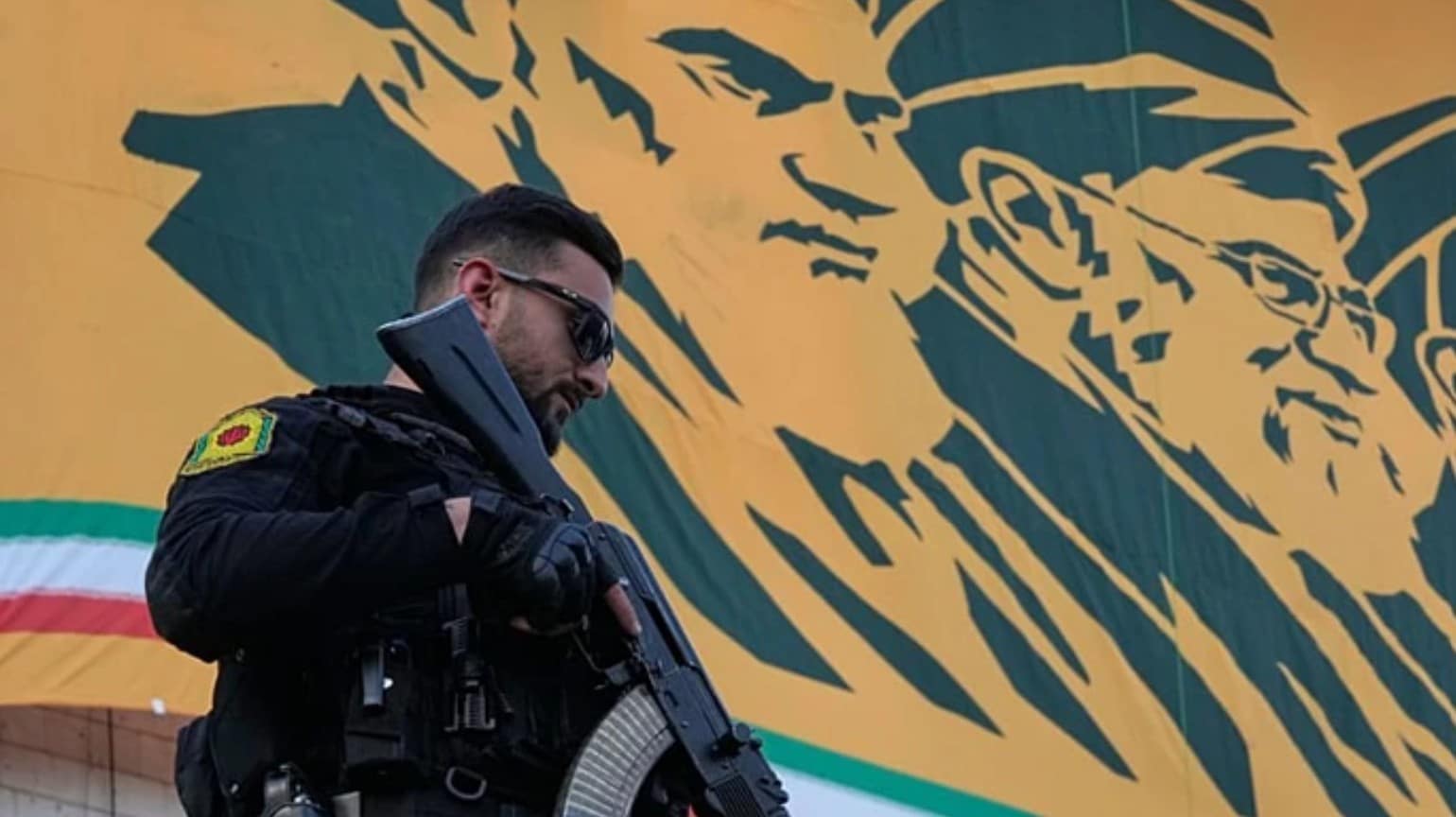
Iran has executed a man convicted over a killing during the 2022 protests, despite mounting criticism from international organisations and rights groups who say the case was marred by torture and flawed evidence.
Contested case of protester’s execution
Mehrab Abdollahzadeh, 29, was put to death after being found guilty of killing a member of the Basij militia during the nationwide «Woman, Life, Freedom» protests that followed the death of Mahsa Amini. Activists argue Abdollahzadeh was forced into a confession under torture and point to video footage they say places him away from the scene. His conviction was upheld by Iran’s Supreme Court in late 2025.
Preceding espionage executions
The execution follows those of two men accused of cooperating with Mossad. Iranian authorities alleged the individuals passed sensitive military and political information to Israel, while rights groups claim they were denied fair trials and coerced into confessions.
Wartime surge in executions
According to the United Nations, executions in Iran have risen sharply in recent months amid heightened political tensions. Dozens have reportedly been executed since late February, with thousands detained on charges ranging from protest involvement to alleged ties with opposition groups or foreign intelligence.
International condemnation and Iran’s defiance
United Nations officials and human rights organisations have condemned the executions as politically motivated and in violation of due process. UN High Commissioner for Human Rights Volker Turk warned that such actions undermine fundamental rights.
Iranian authorities have rejected the criticism, insisting they will show «no leniency» toward those convicted of serious crimes, and accusing foreign actors of interfering in domestic affairs.
The case has intensified concerns that executions are being used to suppress dissent as the country faces ongoing internal unrest and external pressures.