FIA to Reduce Electric Power Dependency in F1 Engine Shake-up for 2027

The FIA has announced a significant revision to Formula 1 engine regulations for the 2027 season, moving away from the controversial 50:50 split between internal combustion and electric power introduced this year.
Following severe criticism of the new-for-2026 machinery, motorsport’s governing body confirmed that internal combustion engine (ICE) output will be increased by approximately 50kW (67bhp). This will be offset by an equal reduction in energy recovery system (ERS) deployment, aiming to resolve widespread drivability issues and severe safety risks.
Addressing the 2026 controversy
The introduction of the 2026 regulations promised smaller and more agile cars but was quickly overshadowed by extreme energy management demands. Drivers expressed frustration that pushing through high-speed corners negatively impacted lap times, forcing them to drastically slow down well before braking zones to harvest energy.
While the new formula did result in more on-track action, with 197 overtakes recorded across this season’s grands prix compared to 84 at the same events last year, massive speed differentials between harvesting and deploying cars created severe hazards. This danger was starkly highlighted during Oliver Bearman’s heavy crash at Suzuka when he took evasive action to avoid Franco Colapinto, who was travelling at a significantly slower speed despite not actively harvesting energy.
Emergency meetings and short-term fixes
The cancellation of the Bahrain and Saudi Arabian rounds following the outbreak of the Iran war resulted in an unexpected five-week break in the racing calendar. F1 stakeholders utilised this pause to hold four emergency meetings to address the escalating power unit crisis.
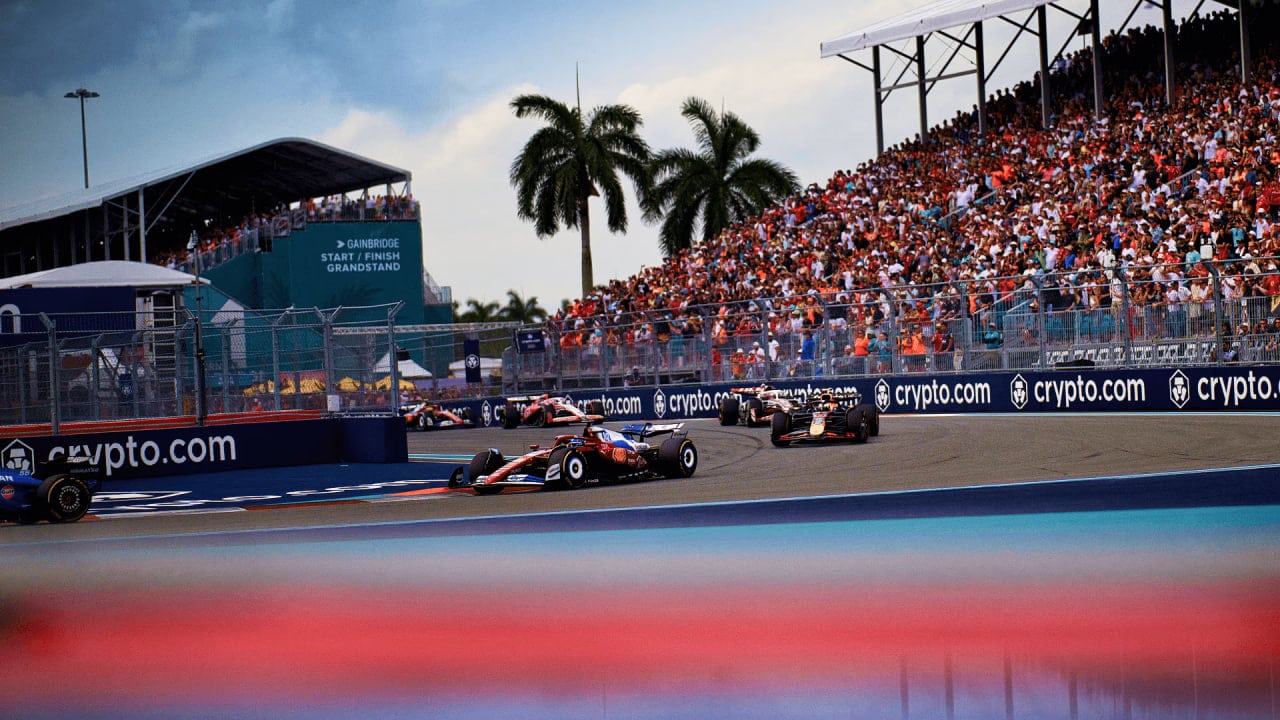
Several immediate adjustments were agreed upon and implemented ahead of the Miami Grand Prix to mitigate the most pressing issues:
- Super clipping: Increased from 250kW to 350kW to allow drivers greater energy recovery at full throttle
- Qualifying harvest limit: Reduced from 8MJ to 7MJ to discourage extreme energy-saving tactics
According to the FIA, these initial modifications successfully improved competition and represented a step in the right direction without raising any new material safety concerns.
The 2027 overhaul
To achieve the 50kW ICE boost for 2027, the FIA will permit an increased fuel flow rate. Because this requires physical hardware modifications to the existing power units, the change has been scheduled for next year to provide manufacturers with sufficient development time.
While the adjustments remain subject to a formal vote by power unit suppliers and final ratification by the World Motor Sport Council, the FIA stated the measures have already been universally «agreed in principle».
The governing body also noted that evaluations of the recent Miami updates are ongoing. Further safety refinements are expected shortly, including visual signalling improvements planned for the upcoming Canadian Grand Prix alongside necessary revisions for standing starts and wet weather conditions.
