President Mirziyoyev Ratifies Uzbekistan’s Accession to the BRICS New Development Bank

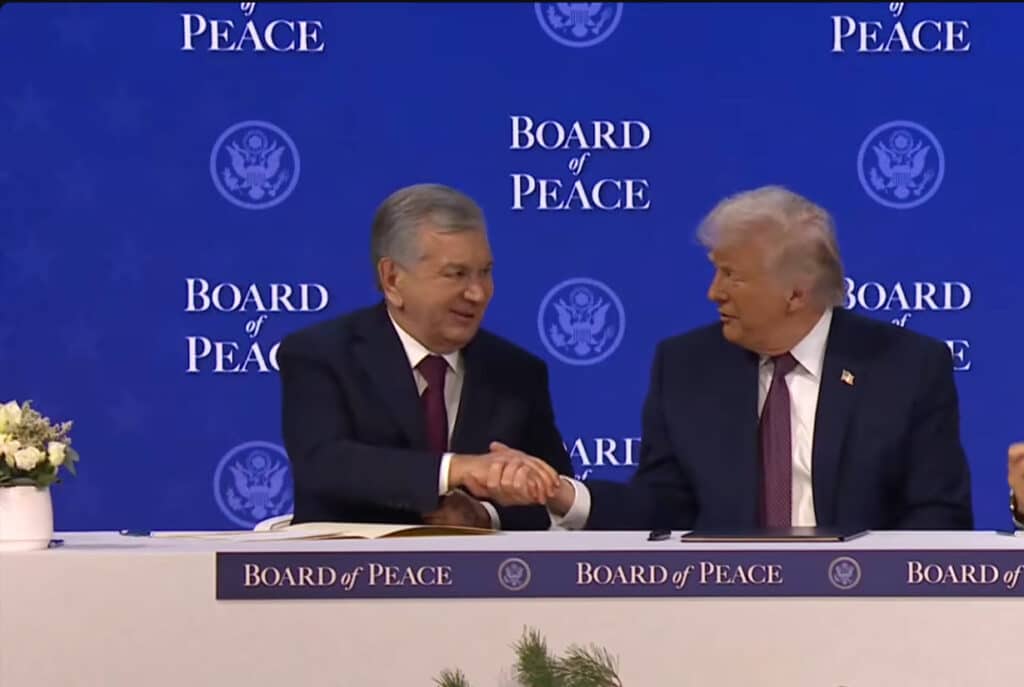
Uzbekistan cemented its membership in the New Development Bank (NDB). President Shavkat Mirziyoyev signed a decree ratifying the treaty for the nation to join the financial organisation established by the BRICS states.
The Legislative Chamber of the Oliy Majlis initially green-lit the accession document on April 21 of this year. Following this step the upper house of parliament gave its official approval in mid-May. The groundwork for this move was laid last year when the leadership of the NDB formally approved Tashkent’s application in mid-June.
A growing financial alliance
The formal announcement of Uzbekistan’s integration into the NDB was highlighted earlier in May by the Russian Finance Minister Anton Siluanov. During a press briefing he also noted that Colombia and Ethiopia are expected to join the ranks of the organisation’s shareholders in the near future. The bank had notably issued a positive decision regarding Colombia’s accession alongside Uzbekistan’s application last summer.
«We are confident that the accession of new countries will make a qualitative contribution to the bank’s work in terms of both its capital base and the growth of opportunities for expanding the NDB’s investment activities,» Siluanov told journalists.
Understanding the New Development Bank
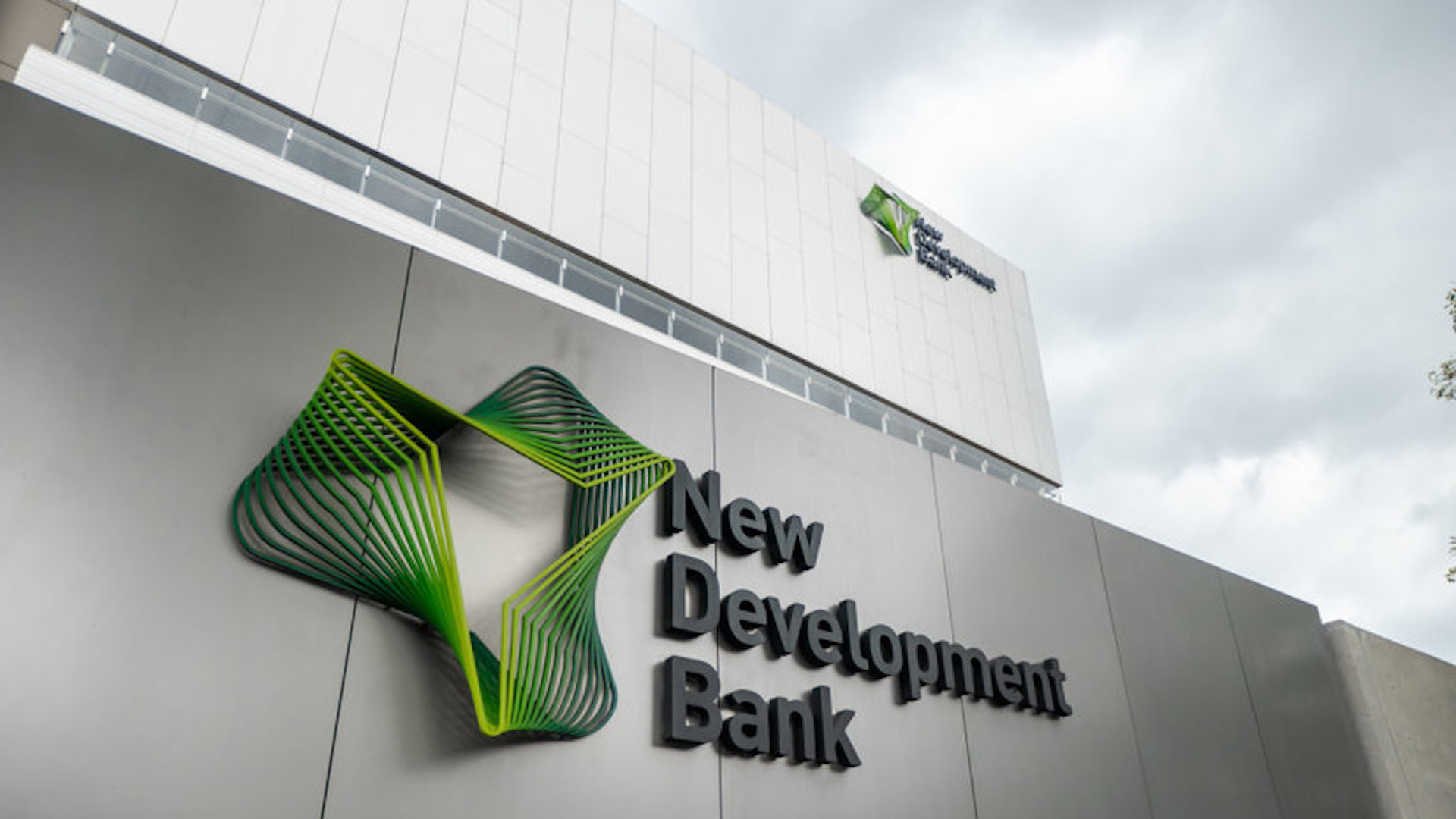
The NDB was established in 2014 by the founding members of the BRICS bloc to serve as an alternative to traditional Western-led financial institutions. The multilateral development bank focuses primarily on financing major infrastructure and sustainable development projects across various emerging economies.
Key Facts About the NDB:
Founding Nations: Brazil, Russia, India, China and South Africa
Headquarters: Shanghai
Total Projects: Over 120 approved global initiatives
Financial Scope: More than $40 bn allocated to infrastructure developments
This move by Tashkent is expected to open up significant new avenues for international investment and domestic economic growth.