“Not Mentally Doable”: Why Max Verstappen is Dead Serious About Leaving F1

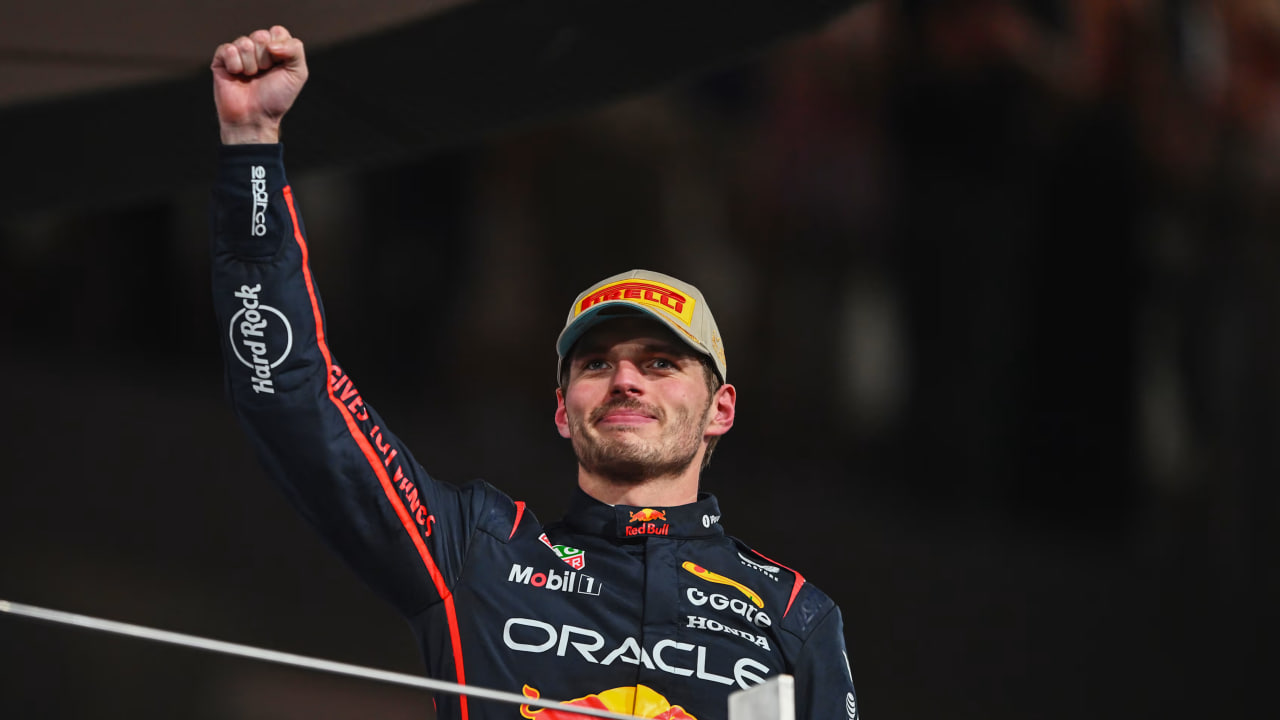
Despite some in the Formula 1 paddock dismissing Max Verstappen’s threat to walk away if regulations are not amended for next year as mere political posturing, sources close to the driver insist he is entirely serious, The Race reports.
Insiders maintain that the four-time world champion’s recent remarks in Montreal, where he stated it was «not mentally doable» to keep racing with the current cars, are completely genuine.
While Verstappen has been less vocal about his frustrations recently, this is simply because he sees no value in repeating himself endlessly. However, his core message has not wavered. Following qualifying in Canada, he did not hold back when speaking to the media about the current state of F1 regulations.
«I mean the whole energy management stuff is just a joke,» he told reporters. «Yeah, it’s super painful at the moment.»
He elaborated on the frustration of trying to push the car to its limits, only to suffer from energy clipping. This forces drivers to use different gears and compromise corner speed to gain an advantage on the straights.
«It has nothing to do with racing for me,» he added. «It’s really, really frustrating.»
A fractured consensus
An initial agreement amongst teams to alter the power unit hardware for 2027, shifting the combustion and battery power split from 50/50 to a more traditional 60/40, initially gave Verstappen hope that the racing dynamic would normalise.
However, paddock politics over the Canadian Grand Prix weekend revealed that this early unanimity had collapsed. The sport now lacks the necessary support to push these regulatory changes through for next season. As a result, a formal proposal tabled by the FIA has not even reached the ballot stage.
If this backing fails to materialise and the proposed changes are scrapped, Max Verstappen is prepared to walk away. He made it explicitly clear in Montreal that this would not be a temporary sabbatical until a reset in 2028. If he leaves, he is gone for good.
The race for a supermajority
Verstappen’s uncompromising stance has injected a sense of urgency into the FIA and FOM’s efforts to secure enough votes. To green-light the changes for 2027, they need a supermajority in the Power Unit Advisory Committee. This requires the support of four of the six engine manufacturers.
Currently, only Mercedes and Red Bull are in favour. Audi, Ferrari and Cadillac are firmly opposed for varying reasons while Honda remains uncommitted.
As a new entrant to F1, Audi’s primary concerns revolve around technical constraints and the estimated $10 mln cost of revamping a power unit for next year. Meanwhile, Ferrari and Cadillac are worried about the implications of opening up engine development.
Ferrari is heavily relying on the Additional Development and Upgrade Opportunities (ADUO) mechanism to close the performance gap to Mercedes. If homologation is opened up for everyone, Mercedes could potentially extend its lead even further.
Because of this, Ferrari is demanding more time to assess the long-term impact of any hardware changes. The FIA, however, is running out of patience.
Unlocking the Audi vote
Time is of the essence if manufacturers are to implement changes for 2027. This urgency prompted FIA single-seater director Nikolas Tombazis to hold numerous intense discussions in the Montreal paddock to forge a consensus.
With Ferrari and Cadillac appearing deeply entrenched in their positions regarding the complex ADUO issue, the FIA is reportedly shifting its focus to Audi. The prevailing theory is that if Audi can be persuaded, Honda will quickly follow suit.