Formula 1 Confirms 58-42 Power Split for 2027 Power Units

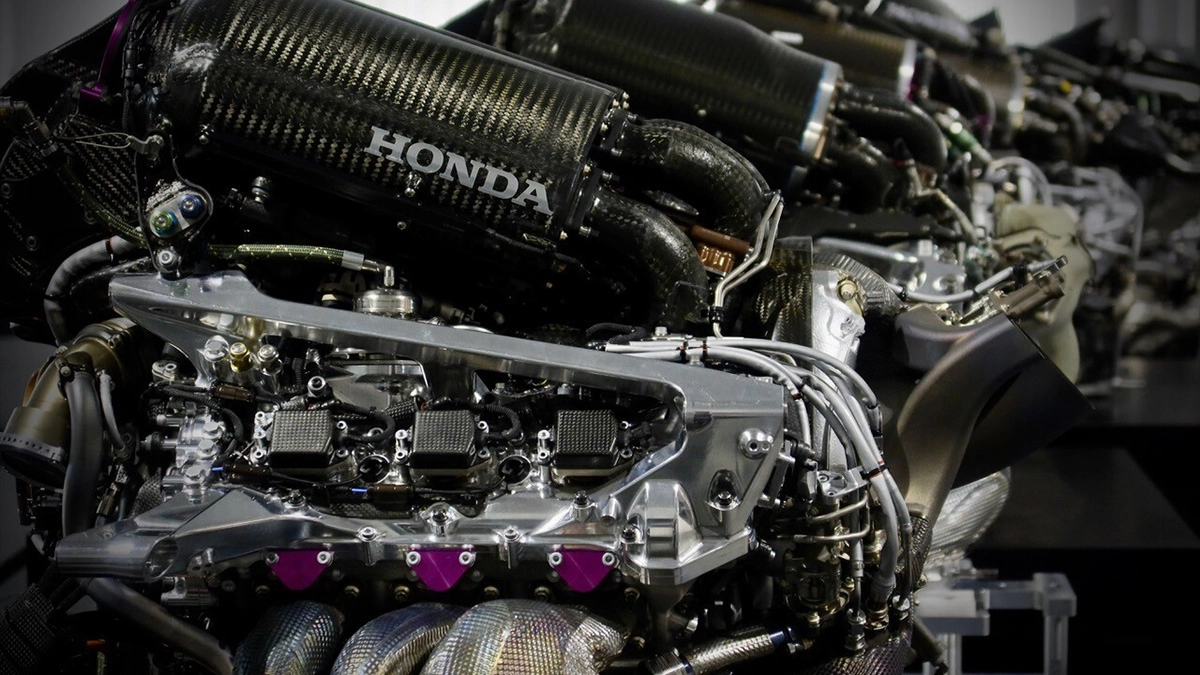
The FIA has outlined the regulatory changes for Formula 1 power units in 2027, paving the way for a gradual transition to a 60-40 power distribution by 2028. Following intense negotiations, a sensible compromise has been reached that will see a 58% internal combustion and 42% electric split next year.
Rather than jumping straight to the originally proposed 60-40 ratio, logic has prevailed. The fuel flow rate will only increase by 5% in 2027 instead of the requested 13%. The larger increase will be deferred until 2028 when power unit development is strictly frozen.
Revised power output figures
After lengthy discussions, the new framework establishes a clear trajectory for the sport’s hybrid technology. Key adjustments for the upcoming seasons include:
- Internal Combustion Engine (ICE): Output will increase by 20 kW in 2027, rising from 400 kW to 420 kW (approximately 563 horsepower). The 450 kW threshold will eventually be reached in 2028.
- Electric Power (MGU-K): Standard electric output will drop immediately next year from 350 kW to 300 kW and will remain at this level from 2028 onwards.
- Overtake Mode: This strategic feature remains entirely unchanged at a fixed 350 kW.
- Energy Recovery: Recharging capacity will climb from the current 350 kW to 375 kW in 2027 and peak at 400 kW in 2028.
Relief for major manufacturers
This middle-ground solution provides significant relief for manufacturers such as Ferrari and Audi. They previously feared that drastic regulatory changes would force them to entirely redesign their six-cylinder engines, gearboxes and chassis frameworks.
The modest fuel flow increase guarantees that current fuel tanks will remain sufficient and that mechanical reliability will not be compromised. Furthermore, this logical agreement avoids a major political split between power unit suppliers. It also sets the stage for the FIA to officially confirm the distribution of development allowances for those legally entitled to upgrade their V6 engines.
FIA president praises collaboration
FIA President Mohammed Ben Sulayem expressed his satisfaction with the agreement, praising the constructive approach taken by all parties involved to safeguard the sport’s future.
«Formula 1 has always evolved to tackle new challenges and seize new opportunities,» Ben Sulayem stated. «These proposed modifications reflect the collaborative work taking place across the global sporting community to ensure that the regulations continue to support exciting racing, technological innovation and long-term sustainability.»
He reiterated that the governing body has a profound responsibility to protect the championship’s longevity. He also took the opportunity to thank the FIA staff, the racing teams, the Formula One Group and the power unit manufacturers for their dedication to finding a workable solution.
From economics and politics to business, technology and culture, Kursiv Uzbekistan brings you key news and in-depth analysis from Uzbekistan and around the world. To stay up to date and get the latest stories in real time, follow our Telegram channel.