U.S. and Iran Agree Framework to End Conflict and Reopen Strait of Hormuz

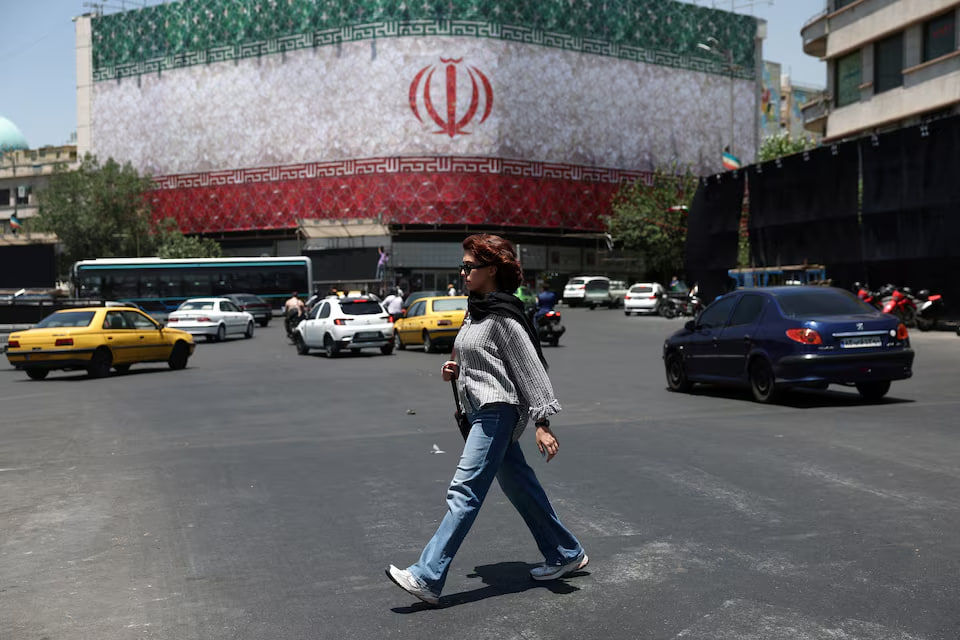
A preliminary peace framework between the United States and Iran has been established to conclude recent military hostilities.
The arrangement was mediated by Pakistan and announced by U.S. President Donald Trump on Sunday before being confirmed by Pakistani Prime Minister Shehbaz Sharif the following day. Representatives from Washington and Tehran are scheduled to formally sign a memorandum of understanding in Switzerland this Friday.
The initial agreement mandates a complete halt to military operations across all active conflict zones including Lebanon. As part of the truce, the U.S. will lift its naval blockade on Iranian ports while Iran will reopen the Strait of Hormuz to international shipping by Friday.
The prospect of resumed navigation in this energy corridor immediately impacted global financial markets. Brent crude futures decreased by 4% and U.S. West Texas Intermediate fell by 4.6% in early Monday trading.
Nuclear programme negotiations
Following the cessation of hostilities both nations will enter a 60-day negotiation period to discuss potential sanctions relief and the future of Iran’s nuclear infrastructure. Before the official announcement was made, conflicting reports emerged regarding the specific terms of the draft.
An Iranian official stated the proposed deal would unfreeze $25 bn in Iranian assets and permit the domestic dilution of enriched uranium. Conversely, a U.S. official maintained that the final treaty must result in the complete dismantling of the nuclear programme and the physical extraction of all highly enriched materials. Iran currently holds more than 400 kg of uranium near weapons-grade purity.
Regional politics and Israeli stance
The initial conflict began on February 28 following coordinated U.S. and Israeli strikes against Iranian targets. The subsequent naval blockades disrupted global supply chains and increased energy costs, creating domestic political challenges in the U.S. ahead of the upcoming midterm elections.
In the Middle East, Israeli Prime Minister Benjamin Netanyahu insists his military requires ongoing operational freedom in Lebanon despite the ceasefire framework. An Israeli strike in Lebanon on Sunday drew criticism from both Washington and Tehran. In a subsequent media interview Trump described Netanyahu as difficult while claiming his administration’s diplomatic actions prevented a nuclear-armed Iran.
European governments have responded cautiously to the truce. A joint statement issued by the United Kingdom, France, Germany and Italy indicated a willingness to lift existing sanctions if Tehran accepts clear and verifiable restrictions on its nuclear development.
British Prime Minister Keir Starmer reiterated the necessity of restoring unrestricted navigation in the Strait of Hormuz and stated that the international community must ensure Iran does not acquire nuclear weapons.
From economics and politics to business, technology and culture, Kursiv Uzbekistan brings you key news and in-depth analysis from Uzbekistan and around the world. To stay up to date and get the latest stories in real time, follow our Telegram channel.