Hidden UK Terror Cases Raise Concern over Attacks Going Under the Radar

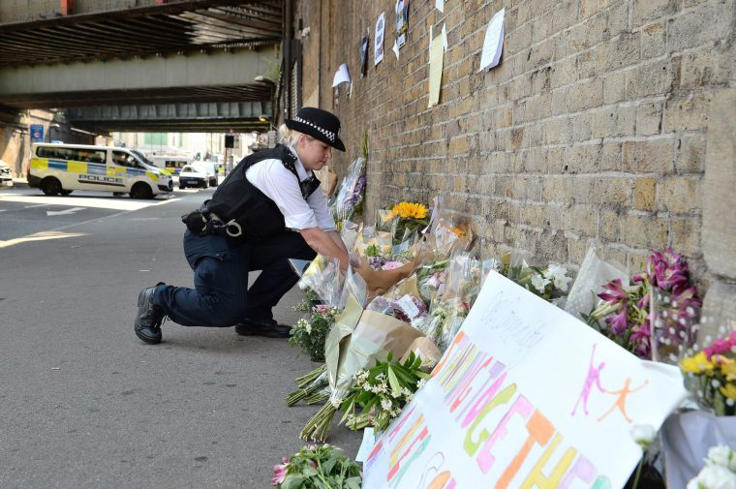
A number of suspected terror incidents in the UK are not immediately recognised as terrorism, raising concerns that some attacks are going under the public radar.
Security experts say incidents involving lone actors, hate crimes, arson, knife attacks or vandalism can take months to be formally classified as terrorism. This delay means the public may not always understand the wider security picture when attacks first happen.
The issue comes amid heightened concern over extremist violence, antisemitic and anti-Muslim attacks, and so-called hybrid threats linked to hostile states. UK authorities currently assess the national terrorism threat level as severe, meaning an attack is highly likely.
Analysts warn that modern terrorism does not always resemble large-scale coordinated attacks. Some cases involve individuals acting alone, online radicalisation, or low-level violence targeting specific communities.
Counter-terrorism officials continue to urge the public to report suspicious behaviour, while experts say better transparency is needed to help communities understand the scale and changing nature of the threat.