From Islamic Finance to Digital Transformation: What Lies Ahead for Uzbekistan’s Banks

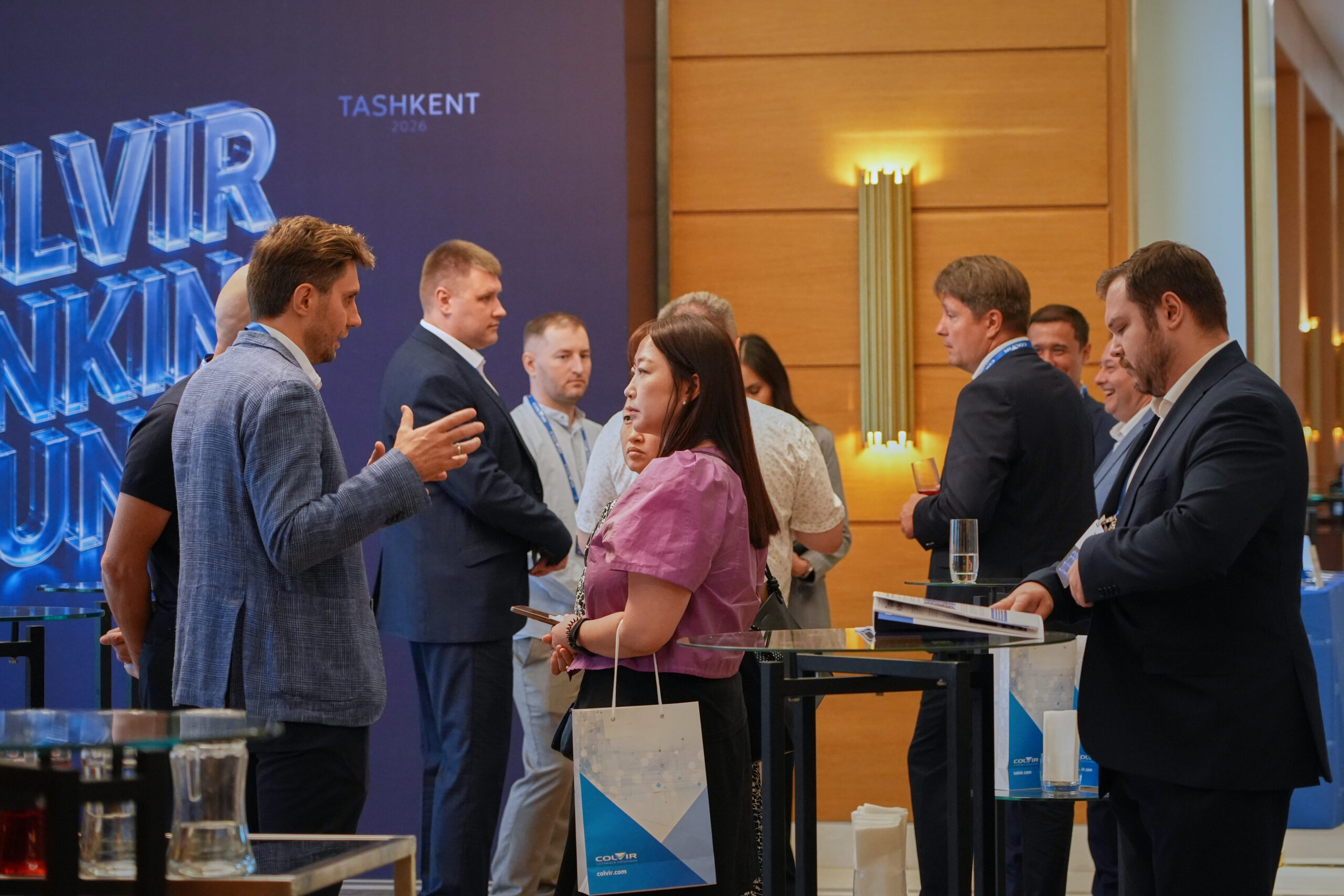
Uzbekistan is on the verge of a new stage in the development of its financial market. From 29 June 2026, new regulations will come into force, paving the way for the launch of a fully-fledged Islamic banking sector. This topic formed one of the central themes of Colvir Banking Brunch Uzbekistan, the company’s first event of this format in the country. Discussions focused on banks’ technological readiness for the new regulatory environment, as well as practical case studies of financial institutions undergoing transformation across Central Asia.
Islamic Windows Are Opening
According to industry experts, Uzbekistan is currently the region’s most promising market for Islamic finance development. Various estimates suggest that between 90% and 95% of the country’s population identify as Muslim.
During her presentation, Gulnara Abisheva, Customer Business Process Development Manager at Colvir, stressed that launching an Islamic banking window is not simply a marketing initiative or the introduction of a new product line. Rather, it represents a transition to an entirely new operating model that fundamentally reshapes banking processes and systems.
Islamic banking products are governed by a completely different set of core principles.
«The first fundamental requirement is the strict segregation of financial flows. Under no circumstances should funds associated with conventional banking products come into contact with Islamic funds at any point within the banking system. This immediately affects accounting, reporting, and the overall architecture of the bank’s systems,» she explained.
In practice, segregating financial flows within a single IT system requires rigorous oversight. A bank must first attract halal funding sources and may invest only those funds.
Furthermore, Islamic banking completely eliminates the traditional concept of interest (riba) and replaces it with fixed mark-up structures or profit-and-loss-sharing arrangements. Any penalties imposed for breaches of contract are purely disciplinary in nature — banks are prohibited from recognising such payments as income, and the funds may instead be allocated to charitable purposes.
Asset requirements also change fundamentally. Money cannot be traded for money; every financial transaction must be backed by a tangible underlying asset, whether real estate, a vehicle, or a specific investment project. In practice, this means banks temporarily assume ownership of assets on their balance sheets while managing highly complex documentation processes and end-to-end compliance requirements.
Automating these processes within the IT infrastructure of a conventional bank requires deploying a dedicated, standalone environment—the Pool Management System, which manages investment pools and profit allocation. The system must calculate in real time where each depositor’s funds have been invested (for example, under a restricted agency agreement, or Wakala), determine the net returns generated by those investments, and distribute profits between the bank and the customer according to the agreed ratio.
Software developers warn that banks will need to work closely with national regulators and internal Sharia supervisory boards to verify compliance. In Kazakhstan, for example, legislation requires banks conducting Islamic banking operations to maintain separate correspondent accounts and separate customer accounts to ensure full segregation between Islamic and conventional banking activities. Similar stringent transparency and disclosure requirements are expected to become mandatory for Uzbekistan’s financial institutions.
Colvir has spent several years studying international best practices, adapting Islamic financial products to banking technologies, and implementing solutions in Kazakhstan. According to Abisheva, the market has reached a stage where banks should begin preparations immediately rather than wait for the sector to become fully established.
«Those who enter this market first, who are able to offer customers high-quality products and build efficient processes more quickly, will gain a significant competitive advantage,» she said.
Understanding the Customer: Cultural Characteristics and Market Barriers
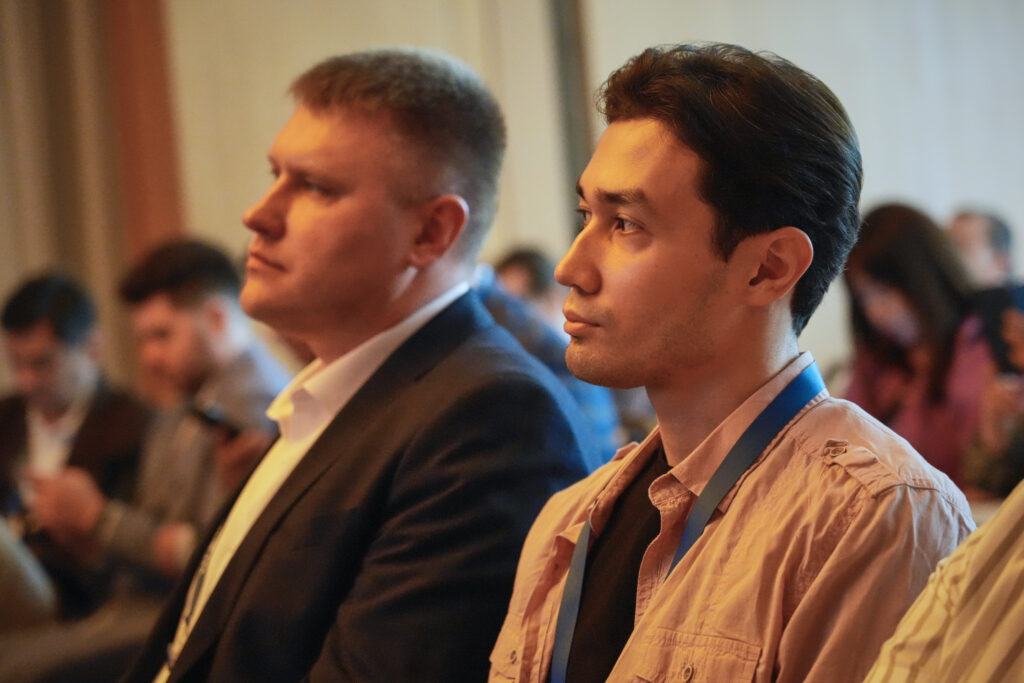
Continuing the discussion, Kseniya Zemskova-Larina, FinTech and Digital Banking Partner at technology group red_mad_robot Asia, presented an in-depth analysis of the target audience for Islamic financial products across Central Asia. She emphasised that the growth of Islamic finance is driven not only by regulation but also by extensive analysis of consumer behaviour, where psychological and cultural barriers often outweigh purely economic considerations.
According to her, Uzbekistan offers particularly favourable conditions for launching digital Islamic banking. Over the past two years, internet banking penetration has increased from 40% to 60% of the population. Unlike neighbouring markets, Uzbekistan has a significantly higher proportion of practising and moderately religious Muslims, creating substantial organic demand for ethical financial products.
«Many market participants are currently focusing too heavily on infrastructure and regulation, losing up to a year in the process. What matters far more is understanding who your customer really is,» she said. «Experience shows that the core audience for Islamic banking windows consists of moderately religious consumers and younger generations — what we call culturally halal users. They want to follow Islamic principles while expecting modern, high-quality digital services. Religious values do not replace convenience; the product must still be technologically advanced.»
Zemskova-Larina identified several key behavioural factors that banks should consider when designing Islamic financial products.
Community and Family Influence
Financial decisions across the region are often made collectively. Major purchases and the selection of financial products are typically discussed within the family. In many traditional households, day-to-day management of household finances and bank cards is delegated to the wife, shifting the focus of marketing communications.
Trust Matters More Than Advertising
For strictly observant customers, endorsements by respected opinion leaders and recognised Sharia supervisory boards are critical.
Price Sensitivity
Practising Muslims in the southern regions of Central Asia demonstrate strong loyalty to halal financial products and tend to be less price-sensitive. They are willing to pay a premium above market rates provided that the transparency and ethical integrity of transactions are fully guaranteed.
Perception Barriers
Banks will inevitably face financial illiteracy and widespread misconceptions. Many potential customers initially believe that Islamic banks should provide services free of charge or absorb business risks without compensation. Properly positioning the concept of a mark-up rather than interest is expected to become one of marketing’s greatest challenges.
Zemskova-Larina also noted that banks should avoid attempting to build a comprehensive Islamic banking ecosystem from the outset. A more practical approach is to launch one or two core products initially, with Islamic deposits (Wakala) and Murabaha vehicle financing serving as the primary customer entry points. Murabaha aligns fully with Sharia principles because ownership of the asset remains with the bank until payment is completed.
Where financial institutions already operate marketplaces and acquire services, commodity Murabaha offered through merchant networks can generate strong synergies. More sophisticated products, such as Islamic mortgages (Ijara) or subscription-based financial models, are better introduced during later stages of business expansion.
The Digital Transformation Dilemma

Photo: Colvir
Alongside regulatory challenges, Central Asian banks are facing a broader strategic dilemma: which path should they take to drive future growth? The first option is deep digital transformation, focused on improving operational efficiency, accelerating internal processes, and delivering an outstanding customer experience. The second is the creation of a large-scale lifestyle ecosystem, where a bank expands into adjacent markets ranging from grocery delivery and airline ticket sales to online fashion marketplaces.
During his presentation, Roman Nadein, Co-founder and CEO of Rocket Tech, noted that in Uzbekistan’s rapidly growing banking market, the number of physical branches is quickly losing its former importance. Instead, the speed of launching new products and the quality of digital interfaces have become the primary competitive factors, as the country’s younger generation sees little distinction between a banking app and any other digital service.
However, the ecosystem approach comes with significant economic pitfalls. Nadein pointed to the experience of banks in neighbouring countries that attempted to catch up with market leaders by spending substantial budgets on mergers and acquisitions, purchasing ready-made third-party start-ups, including ticketing platforms and travel services.
«On the surface, the service exists, the lifestyle ecosystem has been introduced, but the model simply doesn’t work. At one recent conference, colleagues admitted they had made a strategic decision to stop allowing customers to pay with cards issued by other banks within their ecosystem if they wanted to receive loyalty rewards, leaving only their own cards eligible. As a result, they recorded multiple-fold growth in both card issuance and transaction volumes processed through their own services,» the entrepreneur explained.
According to Nadein, one of the biggest obstacles to both digital and ecosystem transformation is the so-called «system zoo», a fragmented landscape of legacy applications, together with outdated core banking systems (CBS). Banks invest enormous sums in IT infrastructure, yet much of that spending goes towards maintaining ageing, disconnected systems rather than enhancing customer services.
Experts believe that the institutions that succeed will be those capable of preparing their core technology platforms for seamless integration with any external front-end solutions. Without a flexible core banking system supported by open APIs, building a modern digital bank or marketplace on top of existing infrastructure becomes virtually impossible.
How Tenge Bank Rebuilt Its IT Platform
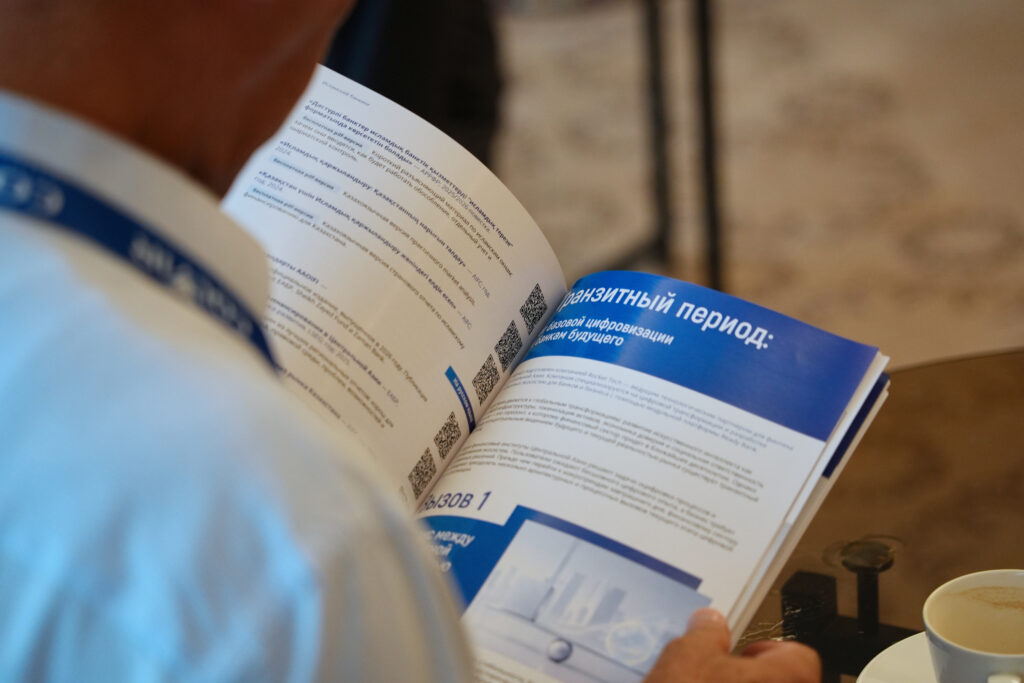
Photo: Colvir
Representatives of Tenge Bank (a subsidiary of Halyk Bank of Kazakhstan, the country’s largest bank) shared their practical experience of migrating to Colvir’s international core banking system. In 2023, the bank undertook a complete replacement of its existing platform despite tight deadlines and increasing pressure from a rapidly evolving regulatory environment.
When selecting the new platform, the vendor’s international experience and the system’s more than 20-year track record within the parent bank played a decisive role. The project team faced three major challenges: developing a clear implementation plan within a compressed timeframe, migrating the bank’s entire historical data set, and simultaneously training local specialists to work with the new international software.
Another key reason for abandoning the previous IT solution was its slow pace of functionality development, particularly when responding to new regulatory requirements. The migration to the new core banking system fundamentally improved the bank’s internal efficiency while significantly reducing operational risks associated with manual processes.
«There were far too many manual operations, which always create risks, human error, and the need for a large team to perform additional checks. Today, the system handles virtually everything automatically. For example, card transaction reconciliation is now fully automated, and employees only become involved if discrepancies arise. The same applies to lending processes. Previously, staff had to review every report manually, consuming enormous resources,» Oleg Anashev, Deputy Chairman of Tenge Bank, told Kursiv Uzbekistan.
Today, the time required to launch new products has been reduced dramatically. Creating a standard deposit product using the bank’s in-house team takes just one day, while full adaptation and deployment within mobile applications requires no more than a week. More sophisticated lending products requiring extensive configuration and validation can be launched within two to three weeks.
At the same time, the bank deliberately chose not to outsource all development work to the software vendor. Instead, it focused on prudent cost management and building internal expertise. As a result, Tenge Bank established its own in-house centre of excellence. Today, approximately 50–60% of all business enhancements are delivered by the bank’s own analysts and developers, while only the most complex regulatory updates are handled by the vendor.
Local Market Speed Meets International Expertise
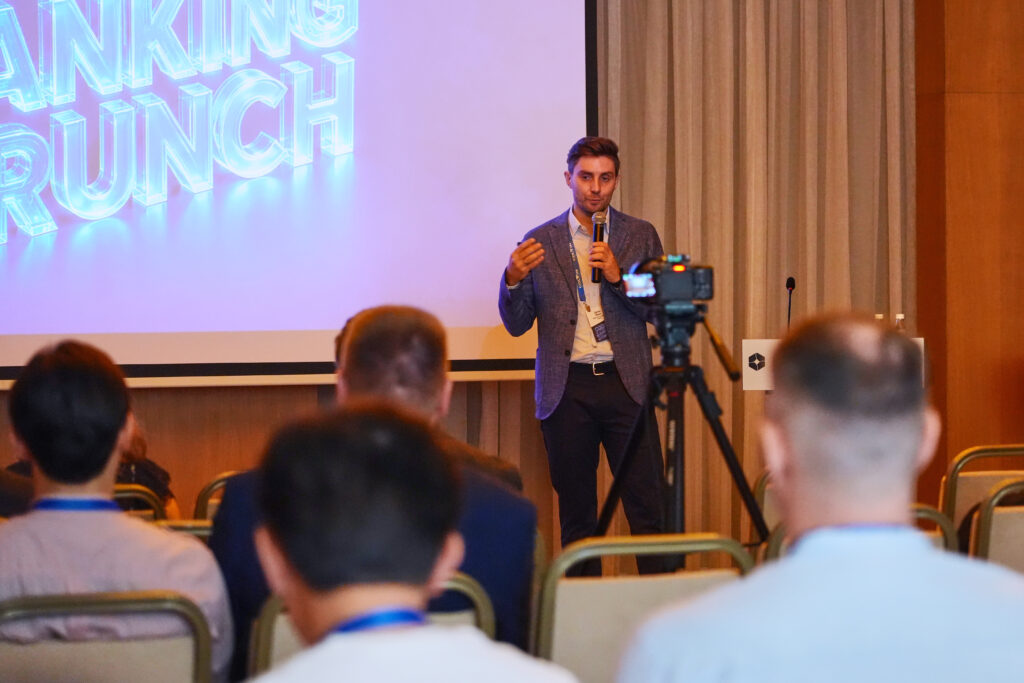
Uzbekistan’s banking market presents a unique environment. For many years, automation standards were shaped almost exclusively by domestic IT providers that evolved alongside the local financial sector over several decades. International vendors, accustomed to more traditional European or Eurasian regulatory cycles, have had to radically adapt their development processes to keep pace with Uzbekistan’s much faster rate of change.
«For many years Uzbekistan developed in relative isolation. Once the country opened up, regulators recognised the need to catch up rapidly with international financial standards,» Denis Yudin, Business Development Director at Colvir, told Kursiv Uzbekistan. «Over the past few years, the pace of change has been extraordinary. New regulatory requirements could appear every two weeks or every month. Our biggest challenge has been keeping pace with Central Bank reforms while delivering updates quickly without disrupting our clients’ customised processes. Over six years of operating in Uzbekistan we have grown significantly, and although local providers still see themselves as market leaders, our goal is to bring healthy competition to the market, which ultimately benefits the entire industry.»
Despite these challenges, international software developers agree that Uzbekistan’s banking market has undergone an extraordinary qualitative transformation, forcing what has traditionally been a conservative enterprise software industry to become genuinely agile and adaptive.
Reflecting on Colvir’s future in Uzbekistan and the company’s approach to working with the local banking community, Yudin concluded:
«As a company that builds the technological foundations of banking, we’ve always been thorough and conservative by nature. Core banking system developers are typically meticulous craftsmen. But Uzbekistan has genuinely challenged us and helped us grow. We’ve experienced an exceptionally fast-moving regulatory environment, new approaches to doing business, and strong competition. We genuinely enjoy working here. We can see Tashkent developing, we can see the banking sector evolving, and our determination to grow alongside the market continues to strengthen.»
Colvir Software Solutions is a banking software developer with British roots and more than 25 years of experience across the CIS markets. The company operates in seven countries — Kazakhstan, Kyrgyzstan, Uzbekistan, Turkmenistan, Georgia, Tajikistan and Azerbaijan — and has delivered more than 730 projects for banks, postal operators and microfinance institutions. Its solutions continue to evolve alongside the market, adapting to both regulatory changes and emerging product standards.