Canada to Make Eurovision Song Contest Debut in 2027

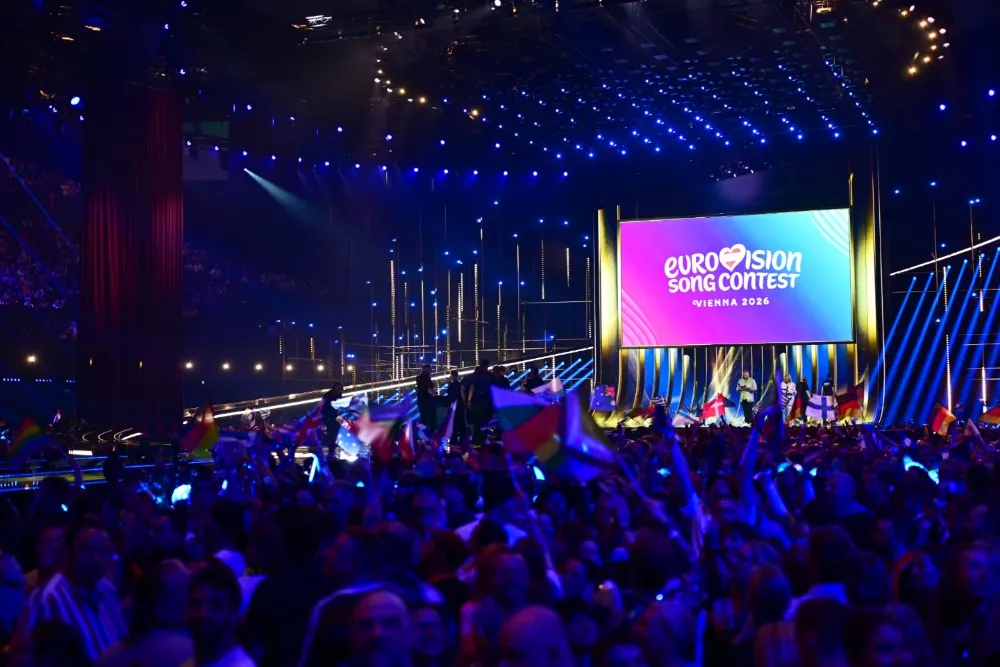
The world’s most watched live music event is extending its reach to North America. Officials announced on Wednesday that Canada will officially send an act to the 2027 Eurovision Song Contest. This historic move makes the nation the first new competitor to join the roster since Australia was invited to participate in 2015.
While the 70-year-old contest is famous for its European roots, participation is actually governed by membership in the European Broadcasting Union (EBU). Because Canada was formally inducted into the broadcasting network last week, the country immediately became eligible to enter the fray.
A hungry transatlantic audience
The move capitalises on an already thriving North American fanbase. Even without a domestic act to support, Canadians have proven to be dedicated followers of the musical spectacle. According to the EBU, Canadian viewers were among the most active participants in the «Rest of the World» voting system and ranked highly among international ticket buyers.
The 2027 contest will be hosted by Bulgaria, a right the nation earned following its very first tournament victory in May. National network CBC/Radio-Canada will spearhead the selection process for the inaugural Canadian entry, promising to release the official operational details later this year.
CBC/Radio-Canada CEO Marie-Philippe Bouchard praised the development, stating that the competition will provide an unparalleled global platform for the country’s musical talent. She highlighted that domestic fans can now experience the unique excitement of seeing their own flag represented on the iconic stage.
A welcome distraction from recent controversies
Canada’s upcoming debut serves as positive news for an event that has recently struggled with deep geopolitical divisions. Despite drawing a staggering 130 million viewers this year, the 2026 edition was heavily disrupted by boycotts.
Several prominent broadcasting nations, including Spain, the Netherlands, Ireland, Iceland and Slovenia, withdrew from the competition. The collective boycott was a protest against Israel’s participation amid its military operations in Gaza, which were launched in response to the Hamas attacks in October 2023. Organisers have previously demonstrated a willingness to intervene in geopolitical matters, most notably by excluding Russia from the contest following its 2022 invasion of Ukraine.
An evolving global stage
For EBU officials, the addition of Canada is a natural progression. Martin Green CBE, the ESC director, noted that the contest is successfully transforming from a regional European broadcast into a truly worldwide celebration of pop music.
Green also reminded fans that Canadian artistry already holds a legendary place in Eurovision history. Long before the country was officially allowed to compete, Canadian superstar Céline Dion secured a spectacular victory at the 1988 contest while representing Switzerland.