FAO Praises Uzbekistan’s Grain Reforms for Boosting Food Security

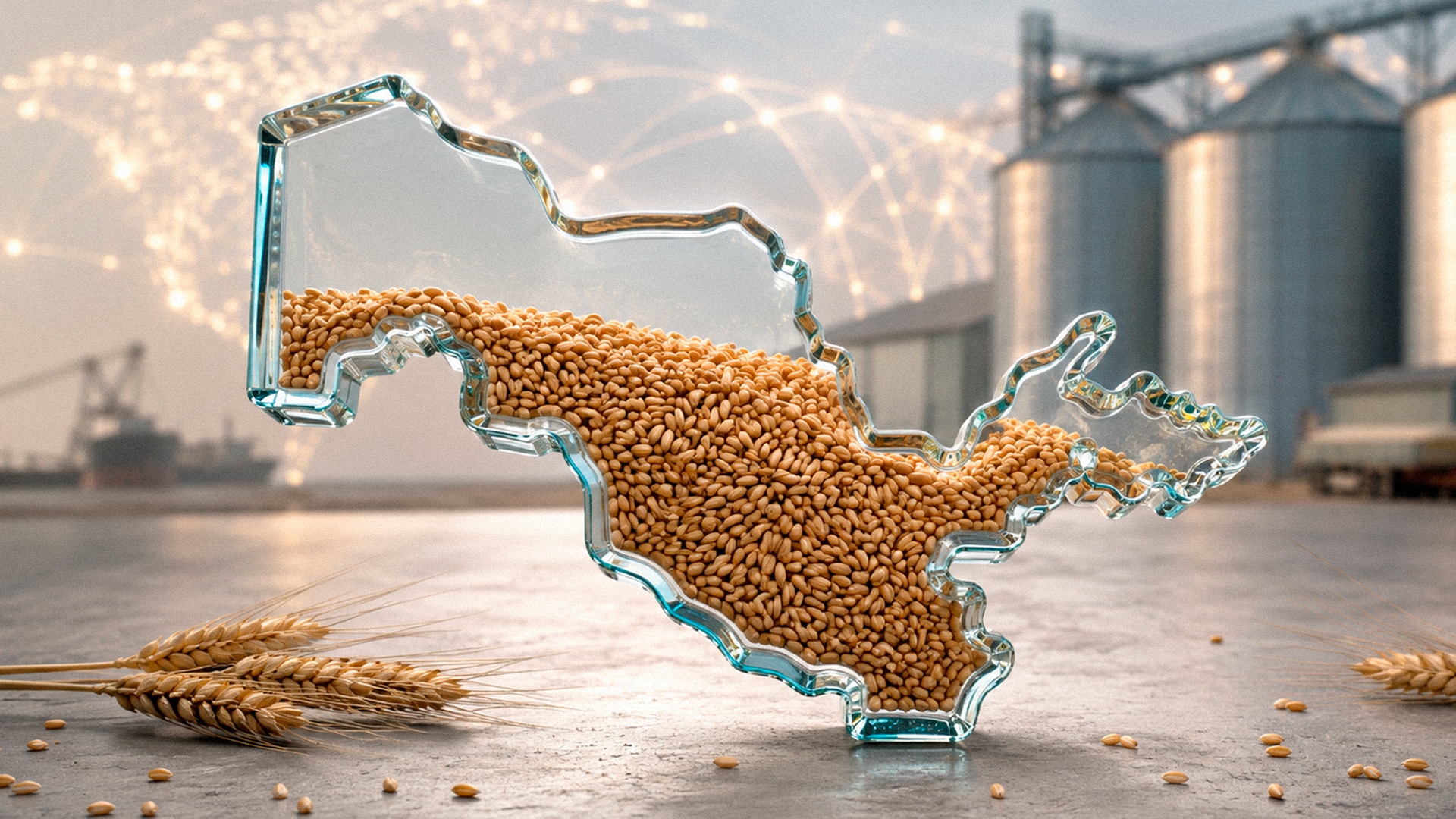
The United Nations Food and Agriculture Organisation (FAO) has identified Uzbekistan as a model for building resilient food systems amid global crises. The endorsement appears in the organisation’s latest publication, «The State of Agricultural Commodity Markets 2026: Trade, Resilience and Food Security».
The report commends the Central Asian nation for overhauling its grain procurement and storage infrastructure. Uzbekistan previously purchased approximately 50% of its domestic wheat production for state reserves. By 2024, the government had significantly reduced this figure to just 11% of annual consumption.
Rather than maintaining massive buffer stocks, authorities shifted their focus toward expanding targeted financial assistance for low-income households and encouraging private sector participation in grain storage and trade.
The FAO notes this approach allows governments to minimise the high costs associated with maintaining large state stockpiles while preserving the ability to manage supply shocks effectively. Small strategic reserves combined with direct social support often prove more efficient than accumulating vast quantities of grain.
As a landlocked country heavily dependent on wheat imports from neighbouring Kazakhstan, Uzbekistan faced acute supply chain vulnerabilities. The risks associated with potential import disruptions served as a primary catalyst for restructuring the national reserves.
The authors conclude that global food system resilience is achieved not through market isolation but through international trade, supplier diversification, transparent public policy and targeted support for the most vulnerable populations.