Spain Co-Hosts 2030 World Cup and 9 Other Facts You Need to Know
Published

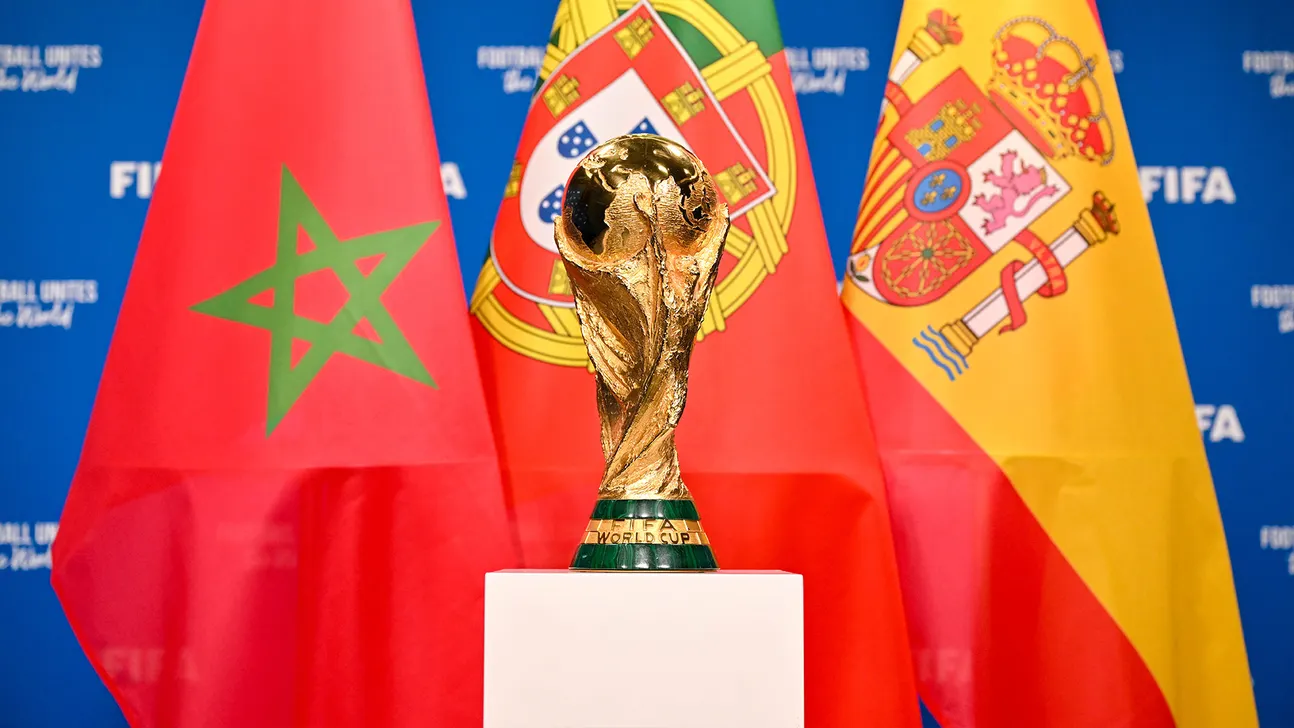
Spain is preparing to co-host an unprecedented iteration of the 2030 FIFA World Cup alongside five partner nations, bringing both celebrated historic milestones and growing administrative controversies to the international football stage.
Kursiv Uzbekistan compiled 10 key facts and emerging controversies defining the tournament:
Multi-continental setup and logistical shifts
- Three continents involved: Spain, Portugal and Morocco will function as primary co-hosts, marking the first time the tournament officially bridges Europe and Africa.
- Centenary opening matches: To commemorate 100 years since the inaugural 1930 tournament in Montevideo, initial fixtures will take place in Uruguay, Argentina and Paraguay before participating teams travel across the Atlantic.
- Expanded 104-match format: The competition retains the 48-team layout introduced in 2026, prompting environmental groups to highlight the significant carbon footprint linked to frequent intercontinental flights.
- Ukraine dropped from proposal: Although initially part of the joint European effort, Ukraine was removed from the official bid following financial corruption probes targeting its national football body.
Domestic friction within host nations
- Spanish venue grading scandal: The Royal Spanish Football Federation faced intense scrutiny over allegations that evaluation metrics were altered to favour specific grounds, culminating in the 2025 resignation of a senior organising official.
- Protests against overtourism: Local pushback in Spain saw San Sebastian residents request exclusion over rising visitor pressure, while A Coruña opted out completely due to escalating stadium renovation costs.
- Moroccan youth demonstrations: Extensive capital expenditure on sporting venues sparked public unrest across Moroccan cities in late 2025, with youth activists criticising government priorities over healthcare and education funding.
Geopolitical issues and governance
- Western Sahara territorial dispute: Morocco’s inclusion generated political tension after promotional maps claimed Western Sahara, leading sports arbitration authorities to ban the boundary image from official team kits.
- Animal welfare reforms: Widespread international outrage over the culling of stray animals in host cities compelled Moroccan authorities to pass Law 19-25 in 2025, shifting national strategy towards mandatory sterilisation and shelters.
- Uncontested path for Saudi Arabia: Critics contend the six-nation layout across three confederations was strategically executed by FIFA to exhaust regional hosting eligibility, leaving Saudi Arabia as the sole contender for the 2034 tournament.