
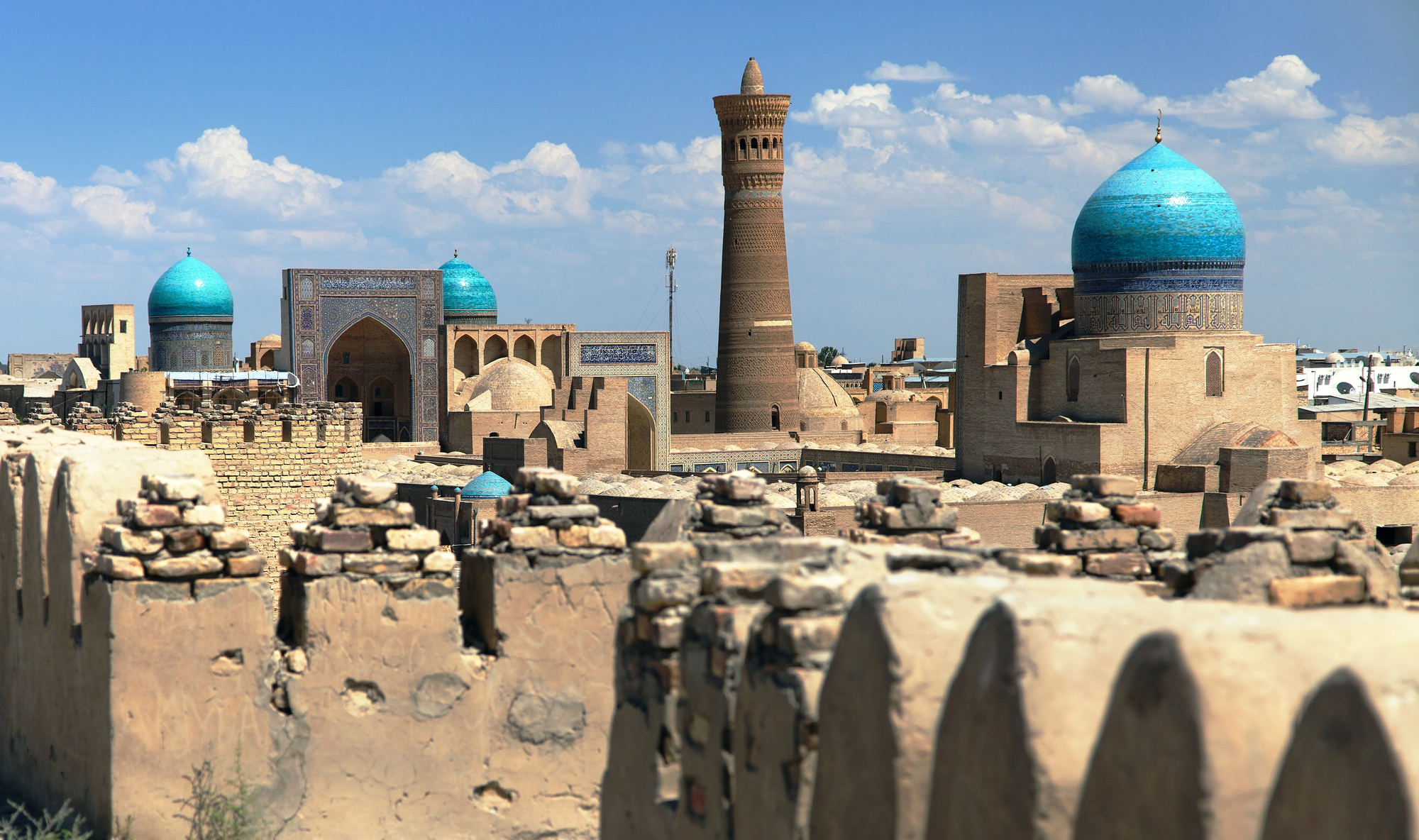
The Uzbek government has approved a comprehensive master development plan for Bukhara that will guide the historic city’s expansion through 2043.
A Cabinet of Ministers decree issued on July 23 outlines a 17-year strategy to accommodate a projected population increase from 289,200 to 385,000 residents. To support this growth, the city’s total area will expand by a third or nearly 9,640 acres to reach a total of 29,160 acres.
The blueprint mandates a massive surge in residential construction. Total housing stock is expected to nearly double from 4.4 mln to 8 mln square metres, raising the average living space per person from 15.4 to 21 square metres. Authorities will also develop new public complexes across the city centre and undeveloped plots.
Infrastructure and tourism upgrades
To manage the expanded footprint, the length of Bukhara’s arterial roads will double from 102.6 kilometres to 203 kilometres. Upgrades to the transit network will allow the public system to carry up to 163.8 mln passengers annually once the master plan is fully realised.
Utility networks face similar overhauls. Daily drinking water supplies will rise from 65,600 to 114,400 cubic metres while sewage processing capacity will more than quadruple to reach 103,100 cubic metres per day. Environmental targets include expanding public green spaces from roughly 274 to 951 acres to ensure approximately 108 square feet of parkland per resident. Planners also allocated 299 acres for sanitary protection zones and 6,375 acres for groundwater reduction initiatives.
What we know about Bukhara
Bukhara remains one of Central Asia’s oldest cities with a history spanning more than 2,500 years. The destination features prominent architectural landmarks including the Ark Fortress, the Poi-Kalyan ensemble, the Samanid mausoleum and the Lyabi-Hauz madrasah.
The city continues to grow as a major cultural hub. Bukhara hosted the third International Festival of Gold Embroidery and Jewellery this year with participants from nearly 50 countries. A biennale held last year triggered a 331% surge in domestic tourism bookings with visitors staying an average of two days.
To accommodate the rising influx of travellers, the government is actively developing the city’s aviation infrastructure. Officials pre-selected six companies in mid-June 2026 to bid on a new airport construction project.