Boeing says Central Asia takes off as airline market

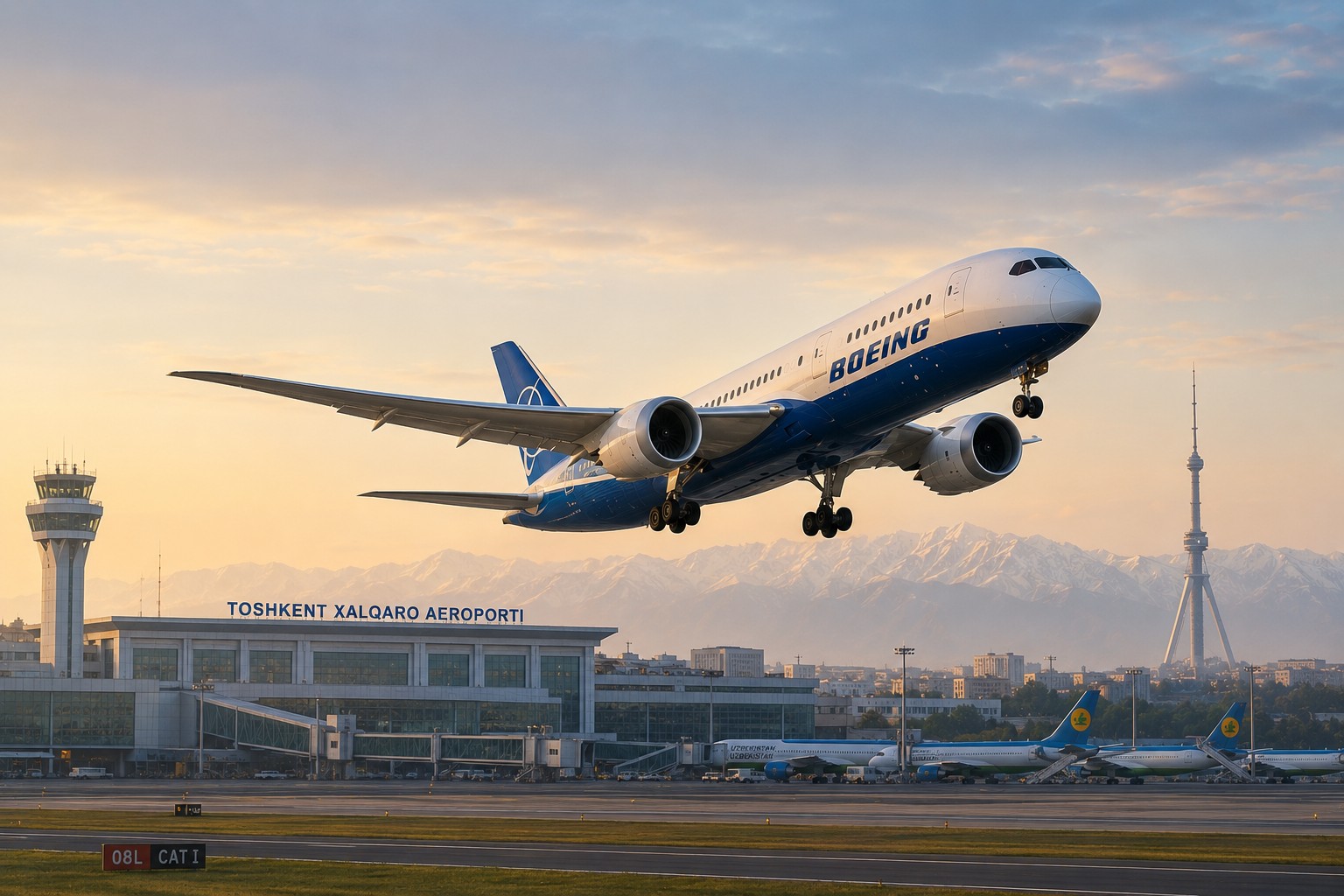
Airport expansions, new aircraft and growing national carriers would help Central Asia strengthen its standing on global air routes, Boeing predicted in a fresh market overview.
Through 2045, passenger traffic is expected to grow 2.8% across Eurasia on the back of air travel within the region, despite potential challenges like geopolitical tensions and economic fluctuations, Boeing said in its latest report.
«The region has diverse market drivers,» it stated, adding, «Central Asia is poised to become increasingly important as governments invest in hubs and national carriers,» highlighting the strategic significance for regional stakeholders.
To keep up with rising demand, airlines across Eurasia will need to grow their combined fleet from just over 6,800 aircraft today to 10,820 by 2045. According to Boeing, 81% of new deliveries will be single-aisle jets, reflecting strong demand for short-haul flights operated by both low-cost carriers and traditional airlines.
At the same time, Eurasian carriers are expected to continue expanding long-haul services through major hub airports, relying on widebody aircraft with more spacious cabins to cater to steady business travel and growing international tourism.
Where Central Asia bets on Boeing
Boeing has already secured several high-profile orders from Central Asian airlines, reflecting a shared commitment to long-term growth. Last year, Uzbekistan Airways agreed to buy 22 Boeing 787 Dreamliners, expanding an earlier commitment and bringing its total order book to 22 aircraft.
Kazakhstan has followed a similar path. Flag carrier Air Astana selected up to 15 Dreamliners to expand its international network, while privately owned SCAT Airlines ordered five 737 MAX aircraft to support fleet growth on regional routes.
From economics and politics to business, technology and culture, Kursiv Uzbekistan brings you key news and in-depth analysis from Uzbekistan and around the world. To stay up to date and get the latest stories in real time, follow our Telegram channel.