From $5bn power plant to “railway of the century”: Key takeaways from Uzbek-Kyrgyz summit

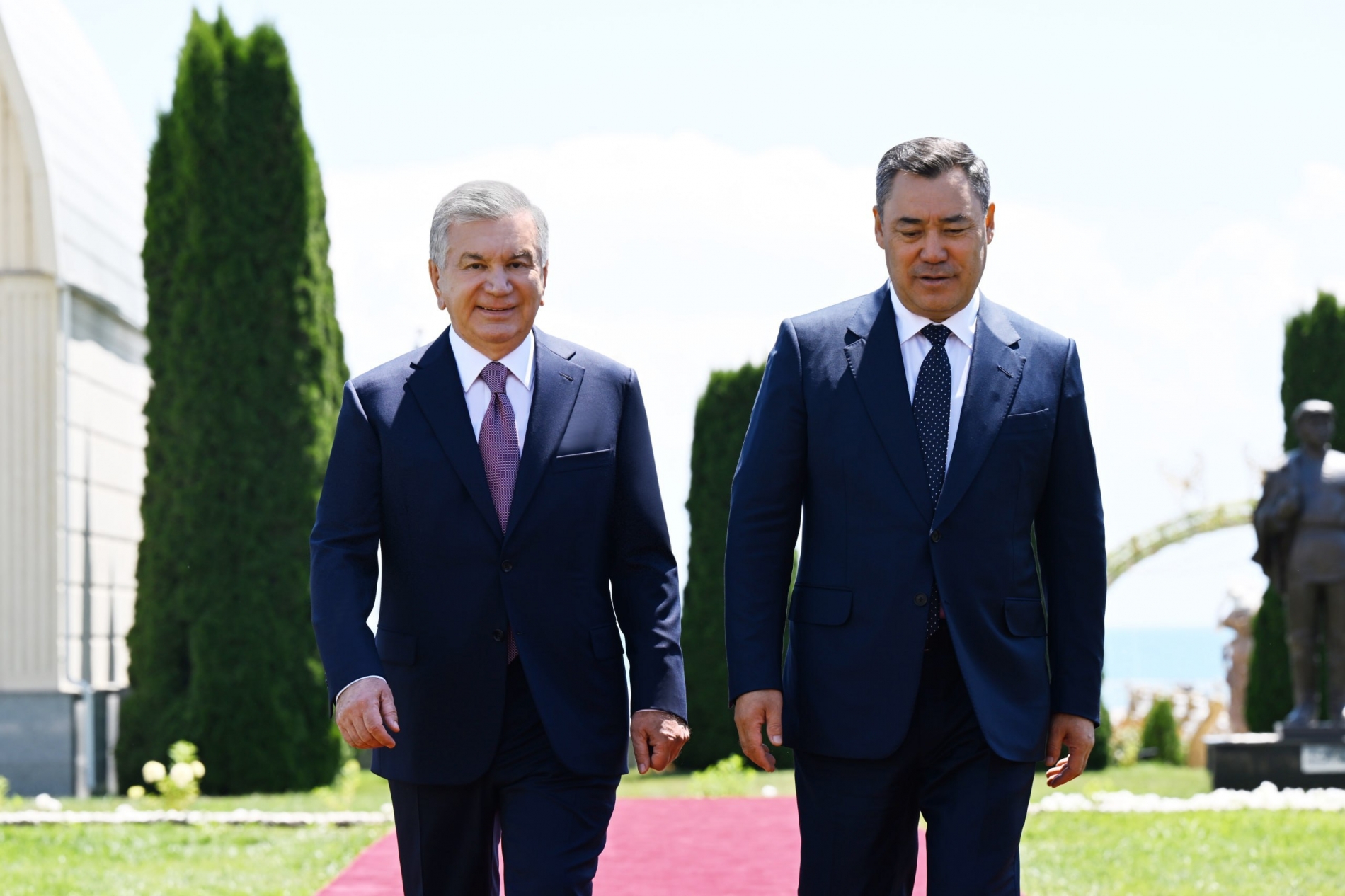
Uzbekistan and Kyrgyzstan have taken their ties up a notch after a bilateral meeting between President Shavkat Mirziyoyev and his counterpart Sadyr Japarov. The agenda was full of billion-dollar projects that would enliven trade and connectivity across the region.
The meeting, held in Kyrgyzstan on 30 July, saw Mirziyoyev and Japarov elevate the bilateral relationship to the highest level so far. The two leaders have agreed to work more closely on everything from trade and transport to regional security. The leaders also raised the bar for economic cooperation, setting a new target of $3bn in annual trade, more than double last year’s turnover.
China-Kyrgyzstan-Uzbekistan railway
The China-Kyrgyzstan-Uzbekistan (CKU) railway once again featured prominently in the talks, although this time the message was less about ambition and more about delivery.
Mirziyoyev and Japarov committed to keeping the China-Kyrgyzstan-Uzbekistan railway construction on schedule and expediting its implementation, recognising its potential to reshape freight routes between China and Central Asia and serve as a flagship initiative of the new alliance.
«I want to say that this is a construction [project] of the century … This railway will dramatically change geopolitics. You and I worked so hard towards that, and one should understand that this is a big success,» Mirziyoyev commented.
China, Kyrgyzstan and Uzbekistan signed an intergovernmental agreement on the railway in June 2024, before finalising its $4.7 billion financing package in December 2025. Construction officially began in Kyrgyzstan later that month and has since advanced to major engineering works, including tunnels.
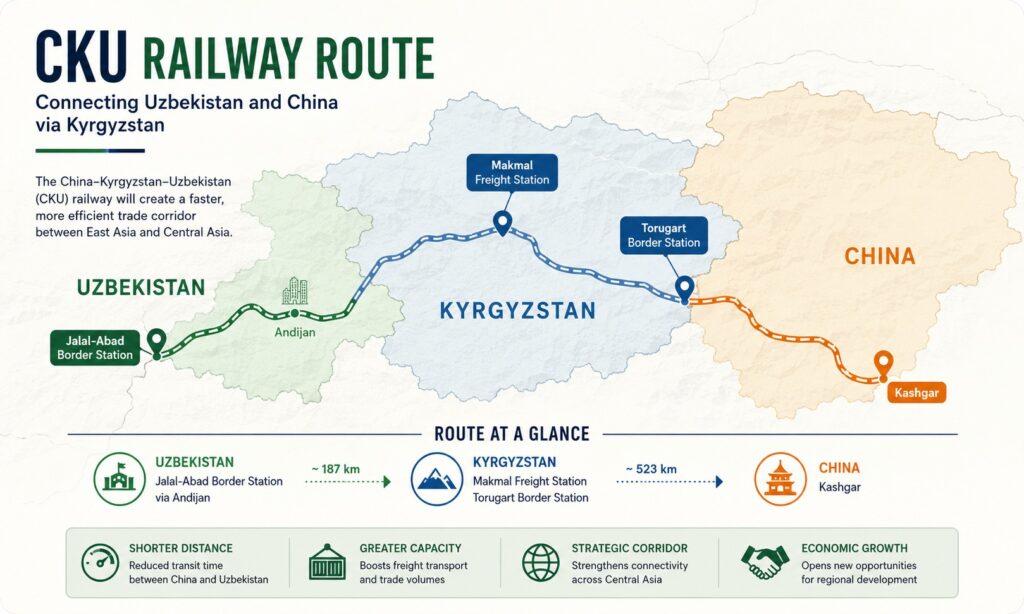
Once completed, the railway is expected to become a key Belt and Road corridor, giving China another overland trade route to Central Asia while helping Uzbekistan strengthen links with Iran and Turkey.
Kambarata hydropower project
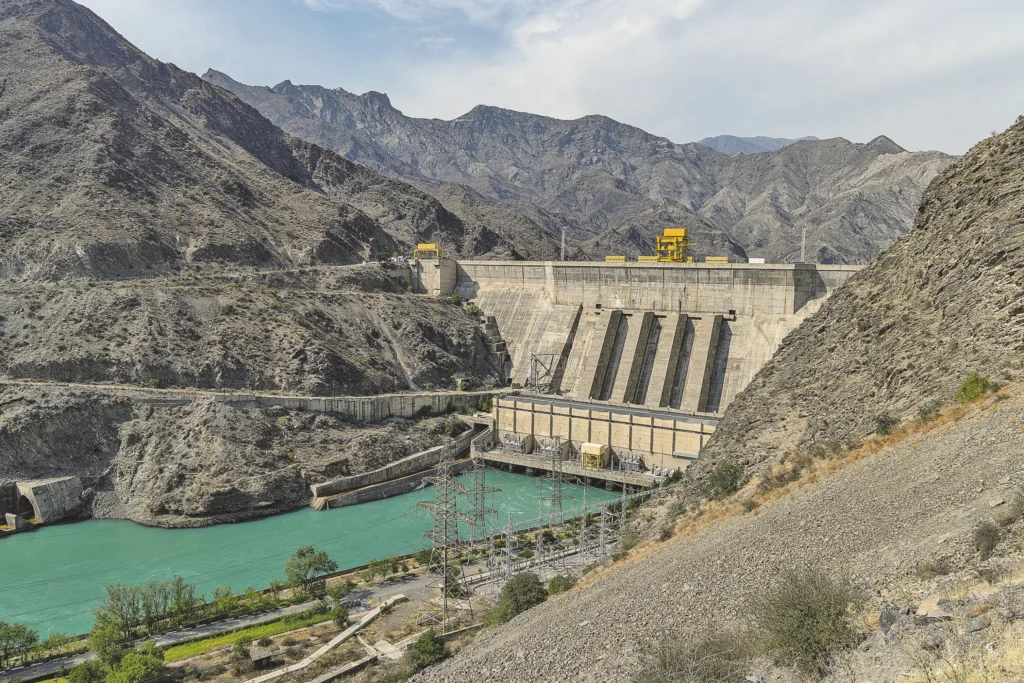
Water and energy cooperation took centre stage as leaders reaffirmed their commitment to jointly manage shared water resources and accelerate the Kambarata-1 hydropower plant project, seen as vital for enhancing regional energy security and cooperation.
The plant will be built on the Naryn River in Kyrgyzstan and developed jointly by Kyrgyzstan, Uzbekistan and Kazakhstan. Under the current proposal, Kyrgyzstan will own a 34% stake in the project, while Uzbekistan and Kazakhstan will each hold 33%. Construction is expected to take around 10 years, with the total cost estimated at $5-6 billion.
More cross-border mobility
The leaders also announced plans to expand connectivity across the Uzbek-Kyrgyz border. Speaking after the talks, President Sadyr Japarov said the agreements signed during the visit would fully resolve the remaining border issues and double the number of border crossing points from 15 to 30, calling it «a dream» for people living in border regions.
Uzbekistan and Kyrgyzstan settled most of their long-running border disputes in 2022, when they signed agreements on the state border and the joint management of the Andijan (Kempir-Abad) Reservoir. The border treaty defined 302.3 kilometres of the frontier, covering 35 previously disputed sections, paving the way for closer cross-border trade and travel.
From economics and politics to business, technology and culture, Kursiv Uzbekistan brings you key news and in-depth analysis from Uzbekistan and around the world. To stay up to date and get the latest stories in real time, follow our Telegram channel.