Japan earthquake disrupts auto and chip supply chains

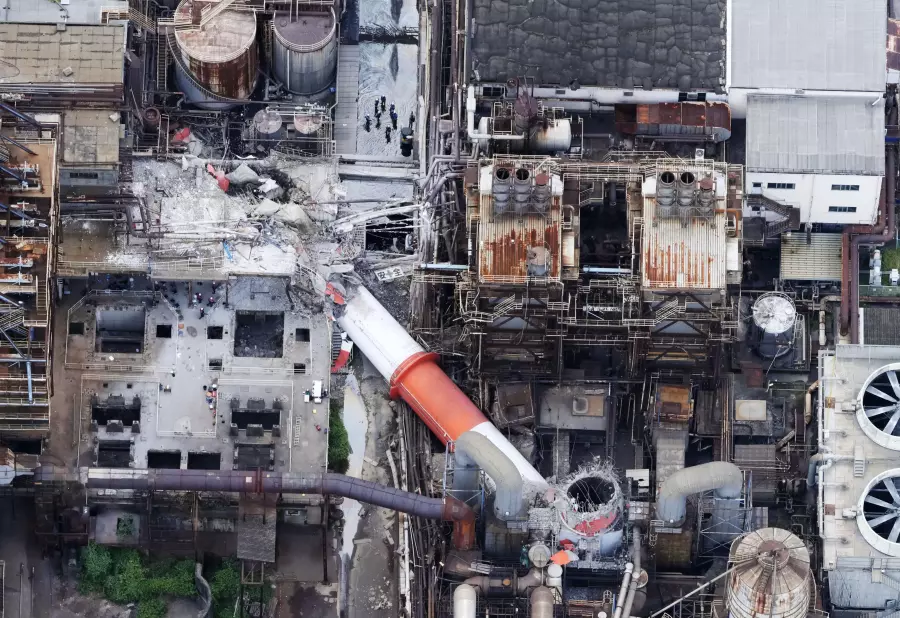
A 7.1-magnitude earthquake in southern Japan has exposed vulnerabilities in the country’s manufacturing supply chains a decade after a similar disaster struck the region. Tuesday’s tremor claimed at least 34 lives, severed utilities for thousands of households and forced major automotive and semiconductor factories to halt production.
Nearly half of the fatalities occurred at commercial facilities. Nine people died at a Nippon Paper Industries mill near the epicentre when a smokestack collapsed. Seven others were killed at an Aeon shopping centre following a suspected gas explosion over an hour after the initial quake.
Industrial and technological fallout
The disaster severely impacted the automotive sector by disrupting suppliers like Aisin, which produces parts for Toyota, Daihatsu and Nissan. Water supplies at Aisin’s factory near the epicentre were cut off, though electricity remained intact. The same facility suffered extensive damage during the 2016 earthquake.
Consequently, Toyota suspended operations at three Fukuoka facilities through Aug. 5 and will idle a plant in Aichi, more than 400 miles away, next week. The automaker stated it will restart production sequentially once safety and quality are confirmed. Nissan halted partial production at two Kyushu vehicle plants due to delivery delays, while Mitsubishi Motors paused operations at a facility in Okayama. Denso, the second-largest global car parts manufacturer, confirmed one local supplier was impacted and 13 others were assessing damage.
Kumamoto has recently emerged as a global hub for semiconductors. The region, often dubbed Japan’s Silicon Valley, experienced varying degrees of disruption among its technology firms.
Taiwan Semiconductor Manufacturing Co evacuated personnel immediately after the tremor but resumed operations hours later. However, other manufacturers face longer delays. Renesas will reopen one Kumamoto plant in phases starting August 5 after sustaining cracked walls, fallen ceiling panels and water leaks. Tokyo Electron plans to restart its chip-making equipment factory next week, while Sony confirmed efforts are underway to resume production at its local semiconductor facility.
Economists note that while the death toll remains significantly lower than the 260 lives lost in 2016, the disaster serves as a severe test of the resilience measures implemented by Japanese manufacturers over the past decade.