FIFA scraps controversial World Cup private equity plan following boycotts

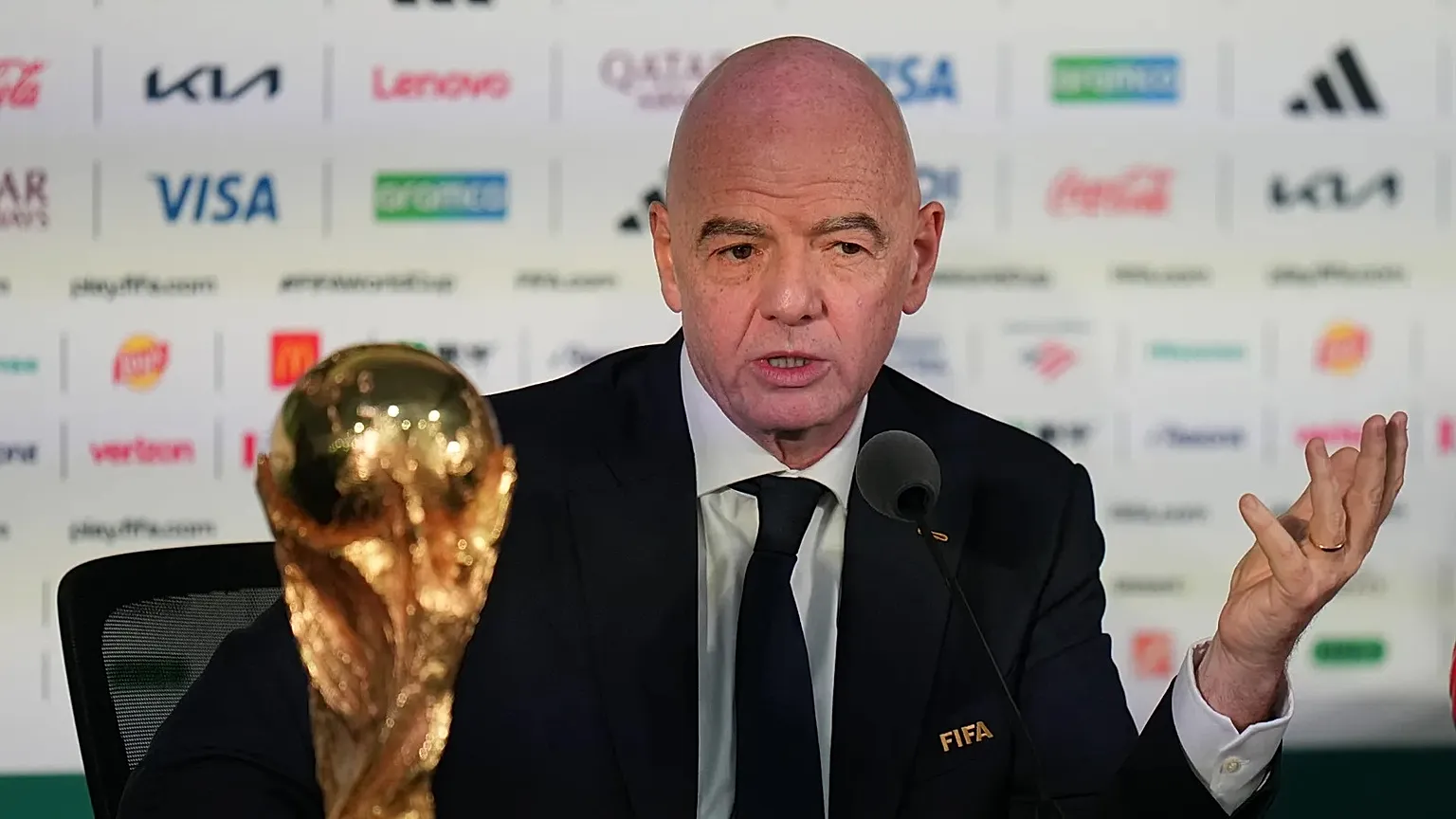
FIFA president Gianni Infantino has withdrawn a controversial proposal that would have allowed private investors to acquire a stake in the commercial rights of the World Cup.
The governing body scrapped the plan following severe internal backlash and threats of a tournament boycott from major continental confederations.
The proposed financial agreement involved selling up to 20% of a newly formed commercial company to external investors. This independent entity would have controlled lucrative broadcasting and sponsorship rights for both the men’s and women’s global tournaments.
Infantino had given member associations a strict 53-day deadline to back the privatisation model without a formal vote, pushing for a capital raise estimated at $10bn. Member nations were reportedly told they must agree to the sale plan or risk missing out on $40mn in potential additional funding.
The president initially defended the sweeping changes by claiming the move would foster the democratisation of football worldwide. He argued it would allow associations to shape their own futures rather than relying on others.
Boycott threats
However, the initiative faced a wall of resistance across the global game. UEFA spearheaded the opposition, convening an urgent emergency meeting with all 55 of its member associations.
Following the gathering, European officials threatened to completely boycott future FIFA events if the governing body proceeded with the private equity sale. The Asian Football Confederation, CONCACAF and Conmebol soon joined the European associations in voicing their formal disapproval, effectively forming a unified front that crippled the initiative.
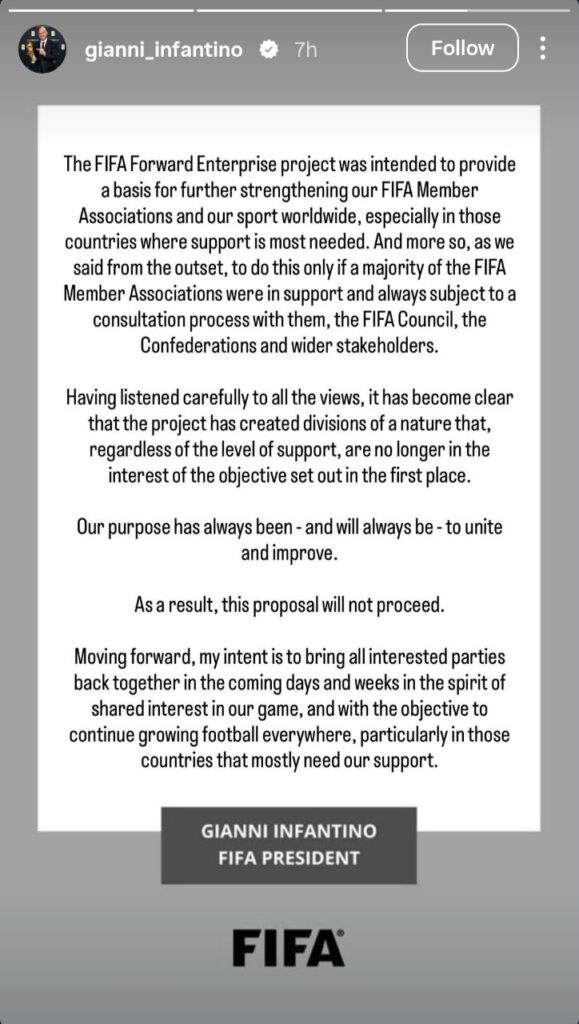
Following the severe backlash, Infantino rapidly abandoned the proposal. He stated that the initiative had caused far greater division than the organisation had initially anticipated and would therefore not be implemented. The sudden reversal marks a significant political loss for the FIFA president and represents one of the most severe internal conflicts of his tenure.