Typhoon Dolphin batters Japan as China and Taiwan brace for impact

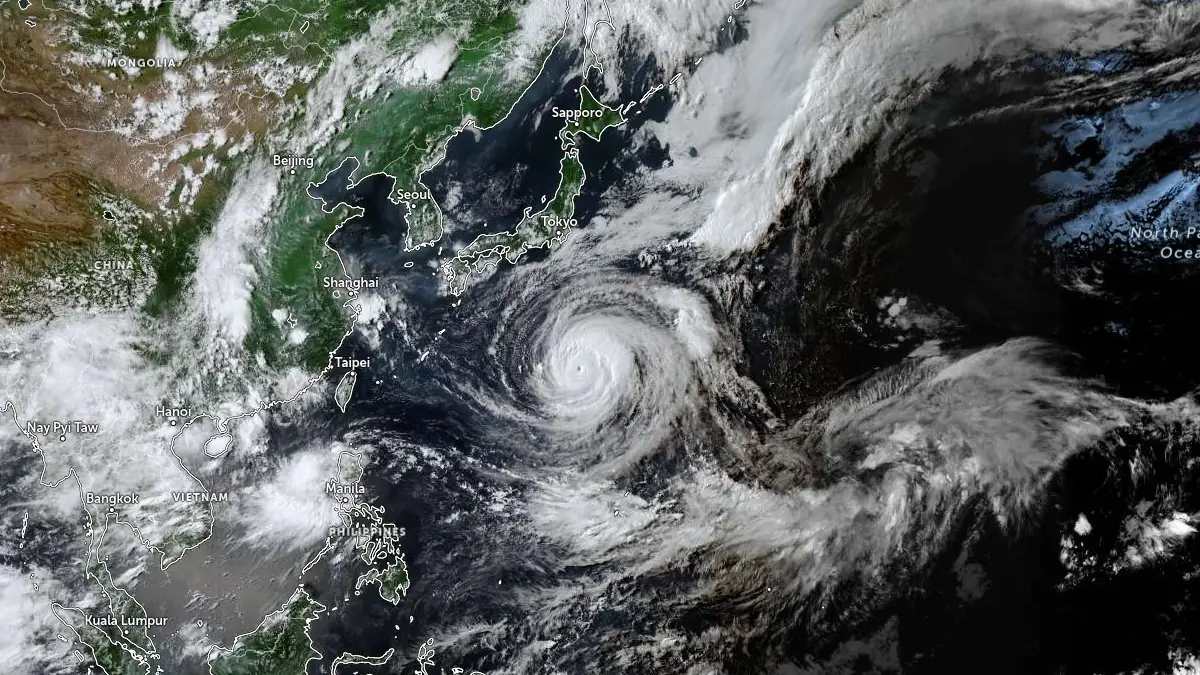
Typhoon Dolphin lashed Japan’s southern Okinawa prefecture on Saturday, injuring five people and severing power to 14,000 buildings before setting a destructive course for eastern China.
The Japan Meteorological Agency reported the storm was positioned approximately 160 kilometres (99 miles) northwest of Kume Island early Saturday, tracking northwest at 15 kph (9 mph). The intense system generated maximum sustained winds of 162 kph (89.5 mph) with violent gusts reaching up to 216 kph.
In Okinawa, five elderly individuals sustained non-life-threatening injuries, including three who fell in the extreme winds. Major domestic carriers ANA and Japan Airlines cancelled multiple flights to the region. Officials noted that Okinawa and Amami island in Kagoshima prefecture remain the primary areas affected by the severe conditions.
Coastal China and Taiwan prepare for disruptions
As the typhoon advances, the China National Meteorological Centre forecasts landfall between Zhoushan city in Zhejiang province and Fuding city in Fujian province between late Sunday and early Monday. The storm is expected to bring winds of up to 45 metres per second near its core.
Eastern China is preparing for severe disruptions through August 12. Forecasters warned that eastern Zhejiang could receive more than 600 mm (23.6 inches) of rain. In response, provincial authorities escalated their coastal typhoon alert to the highest level, suspended 162 passenger ferry routes and halted all port operations.
Ningbo Lishe International Airport announced it would cease operations late Saturday and ground all Sunday flights. Shanghai cleared vessels from its Yangshan port by Friday evening and regional rail services across the Yangtze River Delta face sweeping suspensions starting Sunday.
The approaching storm also disrupted travel in Taiwan, where authorities cancelled 63 international flights. The extreme weather exacerbated regional geopolitical friction after Beijing mandated that vessels navigating the Taiwan Strait follow its traffic control instructions. Taipei condemned the directive as ridiculous and maintained that Beijing lacks the authority to restrict access to international waters.