
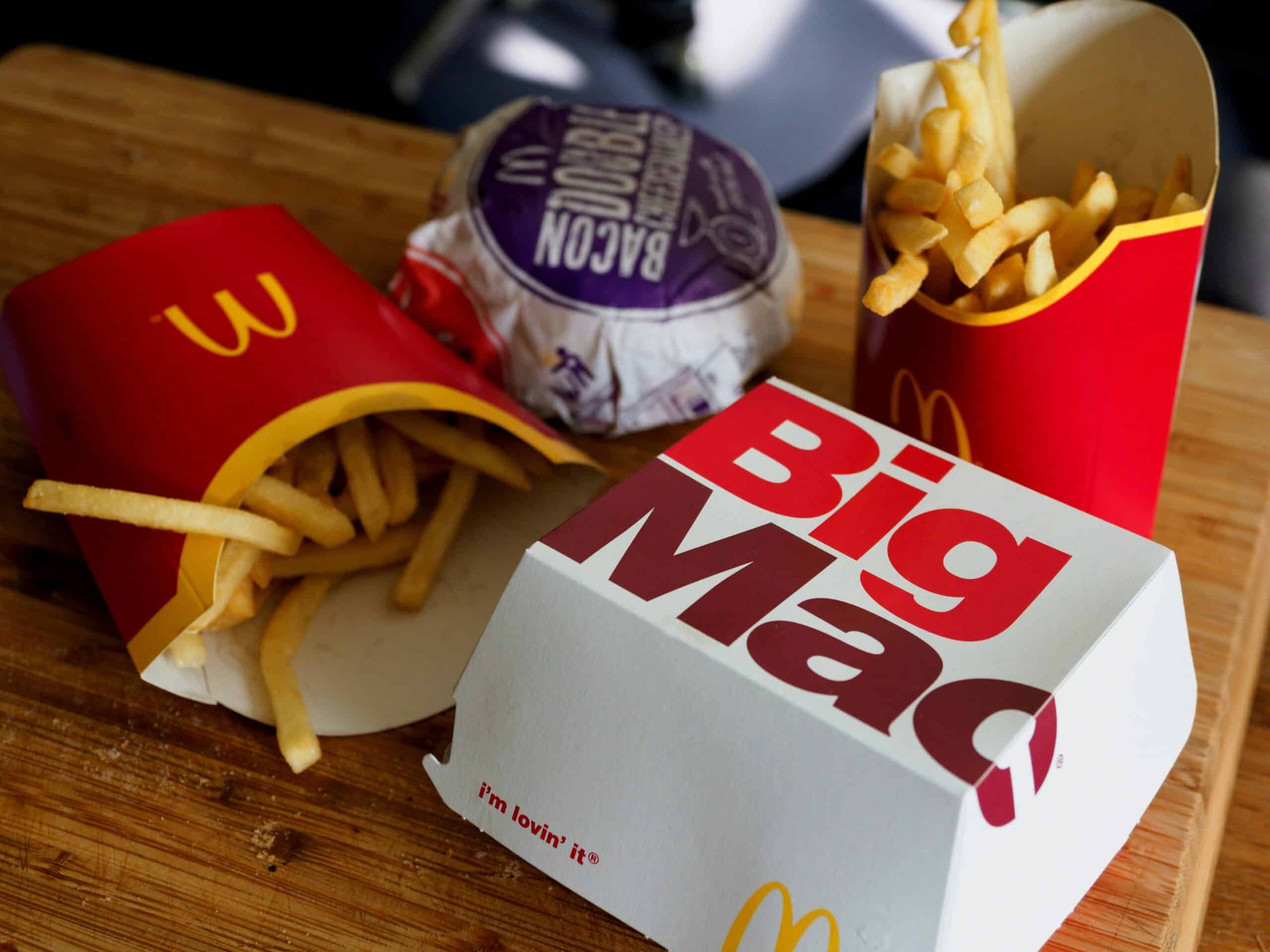
A WIRED reporter who requested the personal data held on him by McDonald’s received a 515-page file containing years of transactions, locations, loyalty activity – and algorithmic predictions about what he was likely to go for next.
The dossier was generated for the WIRED reporter Reece Rogers, who had registered for McDonald’s loyalty programme and its app. The records contained information on when, where and what the reporter bought, the offers he received, how many loyalty points he collected and even every Monopoly promotional code he scanned and the prizes attached to them.
McDonald’s systems estimated that Rogers would visit 2.16 times over the following six weeks, spend an average of $13.49 per order and hand over $29.15 in total during that period. The company also assigned him an «attrition likelihood» of zero, which the reporter interpreted as a prediction that he was extremely unlikely to stop being a customer.
«Ronald McDonald sees me as a lifelong customer who’s never going to stop grabbing french fries and a soda on the walk home,» Rogers quipped.
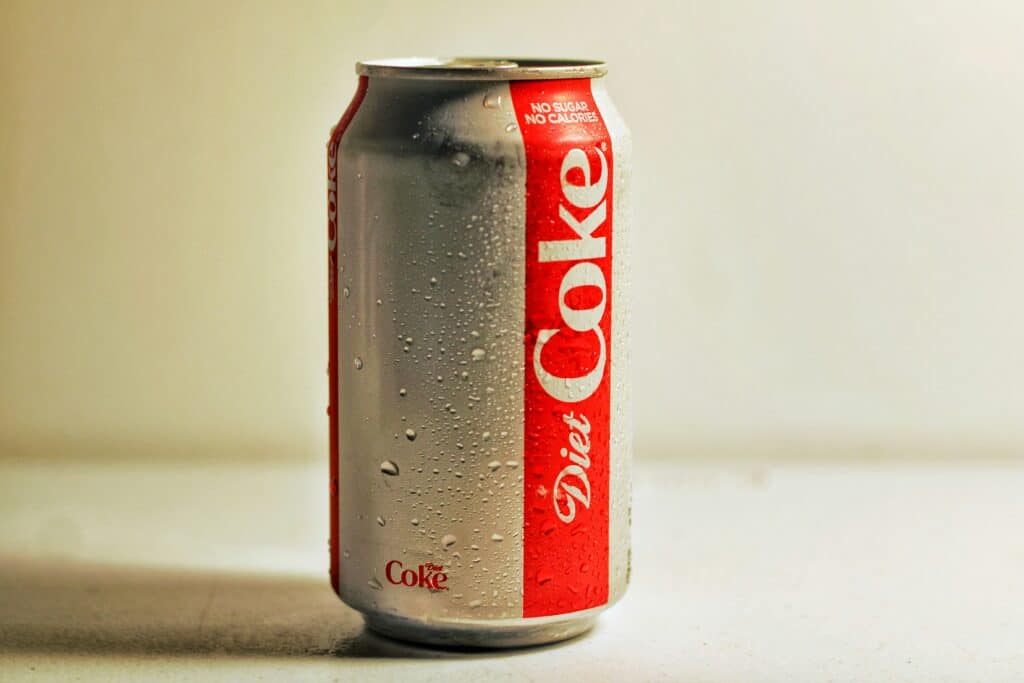
McDonald’s also ranked a large Diet Coke as his most relevant product and placed chicken wraps at the top of his preferred product category. His behaviour was sorted into rather less glamorous customer profiles, including «Food-Led Afternoon Snack» and «On the Go Lunch in a Rush.»
What data protection experts say
The file even produced a list of the 10 products McDonald’s considered most relevant to him, ranging from a spicy snack wrap and double cheeseburger to large fries and 20 McNuggets.
McDonald’s told WIRED that it uses information such as previous purchases to personalise deals, offers and messages, and that customers have privacy choices available through its privacy policy.
Read more: McDonald’s quietly updates McCrispy Strips recipe after customer complaints
The reporter subsequently asked McDonald’s to delete the data. He also said he intended to stop eating there — partly, he joked, to prove the algorithm wrong.
«McDonald’s secret sauce is actually commercial surveillance,» said Jeff Chester, executive director of the Centre for Digital Democracy, a consumer rights advocacy organisation. Other privacy experts told WIRED that while this level of detail may feel intrusive, it is fairly standard for how large US companies manage their loyalty programmes.
From economics and politics to business, technology and culture, Kursiv Uzbekistan brings you key news and in-depth analysis from Uzbekistan and around the world. To stay up to date and get the latest stories in real time, follow our Telegram channel.
