Apple delays retail launch of iPhone Ultra outside of US

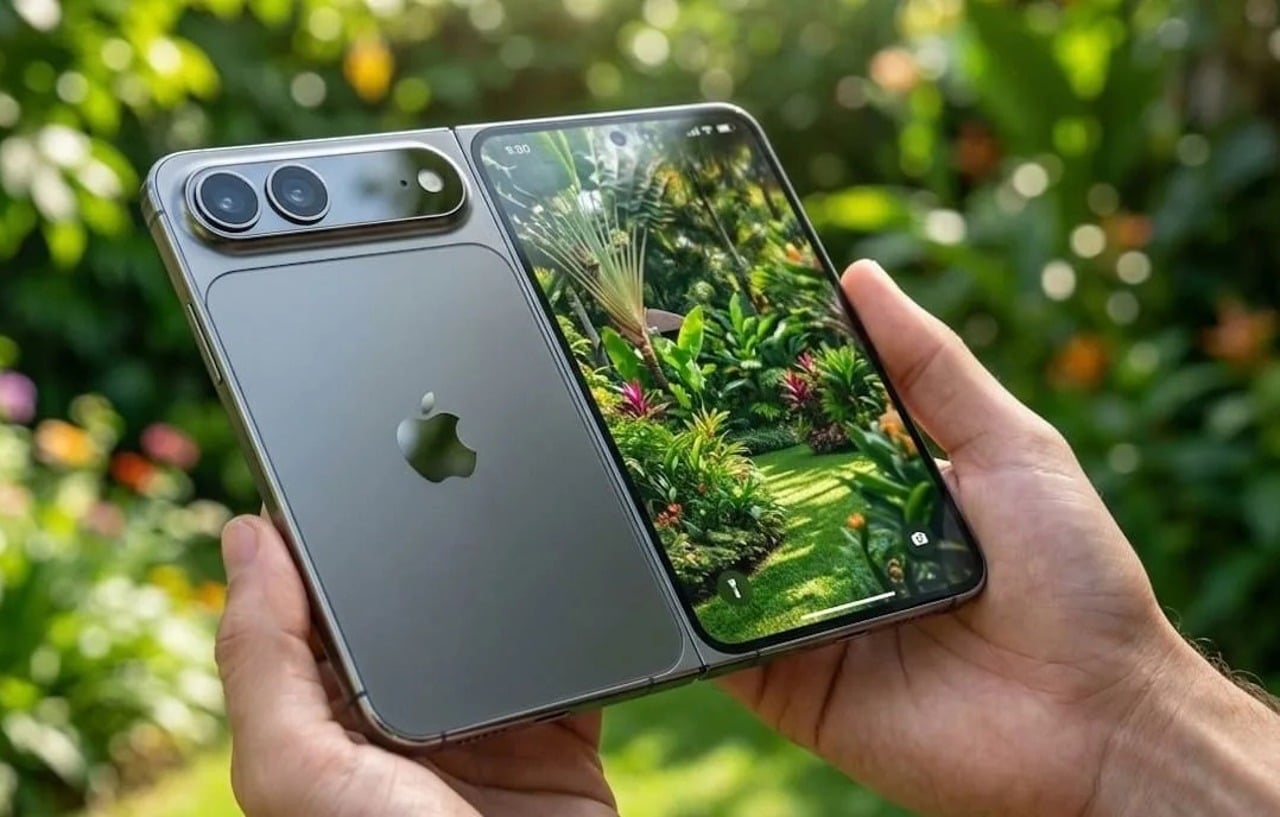
Apple will debut its inaugural foldable smartphone at a September 8 product event in the United States but will not immediately release the device to consumers.
A major Chinese component supplier confirmed the technology giant faces significant testing hurdles, pricing dilemmas and supply chain constraints. The source indicated that Apple engineers are struggling with production verification tests on already-built models.
The launch delays mean Australian consumers face a lengthy wait for the new handset. Local carriers and retailers confirmed the foldable device will not appear on store shelves alongside the upcoming iPhone 18 lineup. Apple intends to distribute its limited initial stock to the US first before rolling it out to key markets like China. Australian availability could trail the American launch by up to three months.
Industry analysts Ming-Chi Kuo and Bloomberg’s Mark Gurman have echoed these supply concerns, noting the foldable handset will undoubtedly reach consumers long after the standard iPhone 18 Pro models ship.
Production problems restrict global supply
Engineers reportedly encountered more complications than anticipated with the device’s foldable display and hinge mechanisms. Mass production was initially scheduled for June 2026 before being pushed to August. As of late July, assembly partner Foxconn was still modifying its production plans and insiders warned that engineering validation could trigger a further two-month delay.
Consequently, Apple plans to manufacture only seven million units in the second half of the year. This restricted global allocation mirrors the original iPhone X rollout, which debuted in September 2017 but reached retail stores much later.
Executives are not expected to announce pricing for the foldable model at the September presentation, which will also introduce the iPhone 18 Pro, iPhone 18 Pro Max and iPhone Ultra.
However, the upcoming device is projected to carry a premium price tag. Analysts suggest the Apple foldable could cost Australians up to $700 more than Samsung’s Galaxy Fold 8, which currently retails for $2,999 for the 256GB variant. The staggered release strategy grants Samsung a distinct advantage, as the South Korean manufacturer recently launched its new foldable range and currently dominates the premium market without immediate competition.