Apple develops proprietary AI model for China in Alibaba tie-up

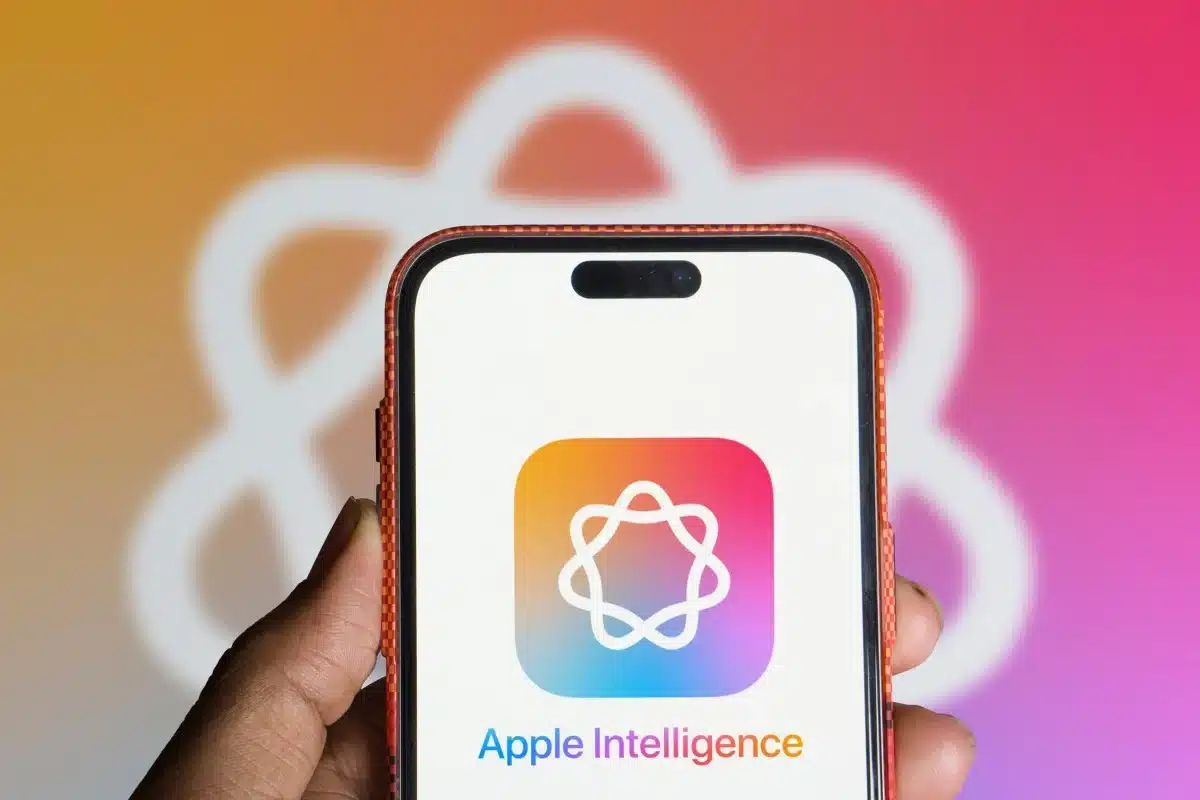
Apple has trained a large language model specifically for the Chinese market in collaboration with Alibaba Group.
This is a shift from the tech giant’s initial strategy of relying entirely on third-party models to power artificial intelligence features in the country. Three people familiar with the matter confirmed the previously unreported development, requesting anonymity due to the sensitive nature of the information. Neither Apple nor Alibaba have commented on the partnership.
The bespoke AI model aims to bring Apple Intelligence to iPhones and other devices sold in China. US-based models such as Anthropic’s Claude and OpenAI’s ChatGPT are unavailable in the country. Consequently, Apple required a localised approach to deploy its AI suite, which is expected to launch following an upcoming iOS update.
Creating a China-tailored model gives the company greater control over user experience in its most competitive overseas market. Apple has recently lost ground to domestic manufacturers like Huawei, which have quickly introduced AI-equipped handsets. The rollout represents a unique dual-track AI deployment strategy for a foreign firm navigating Beijing’s strict regulatory landscape.
Navigating regulatory hurdles
The development makes Apple the first foreign company to receive approval from Beijing to offer a proprietary AI model in China. Last month, the Cyberspace Administration of China registered Apple’s generative AI service, clearing the path for Apple Intelligence to reach Chinese consumers.
Under this framework, Alibaba’s Qwen model will integrate into compatible iPhone, iPad, Mac and Vision Pro devices. A July report from Reuters indicated the service would also incorporate technology from Baidu. Alibaba’s US-listed shares climbed about 4% in premarket trading following the July registration news.
Recently, Apple published a Chinese-language guide explaining how eligible Mac users could connect Qwen to the Siri digital assistant and Writing Tools feature. The company subsequently deleted the document without explanation.
Alibaba chairman Joe Tsai first confirmed the partnership in February 2025 during the World Governments Summit in Dubai. He noted that Apple had approached several Chinese firms before choosing to collaborate with Alibaba. However, adapting the software to comply with local regulations delayed the initial rollout.
China remains a vital market for Apple. The previous absence of native AI capabilities on Chinese iPhones negatively impacted sales as consumers increasingly favoured local brands offering integrated smart assistants. It remains unclear exactly how Apple’s proprietary model will interact with third-party Chinese systems.