Elon Musk begins building $16.8bn Terafab chip factory in Texas

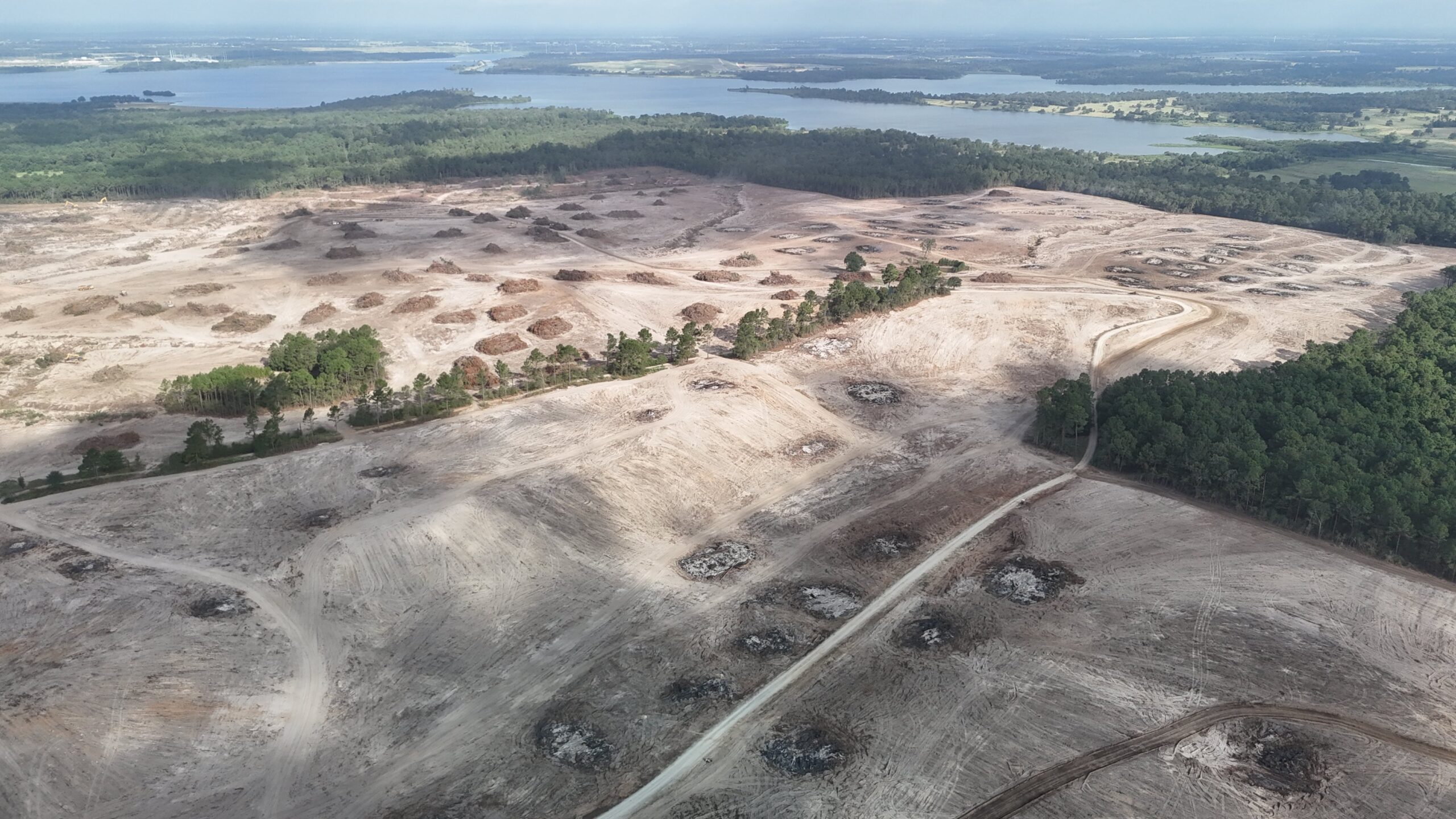
SpaceX and Tesla have commenced construction on Terafab, a massive semiconductor manufacturing facility in Grimes County, Texas. Backed by an initial joint investment of £13.1bn ($16.8bn), the site aims to bridge the growing gap between current global chip supplies and the future computational demands of Elon Musk‘s companies.
The project is uniquely designed to put every stage of semiconductor production under one roof. This vertical integration includes chip design, fabrication, memory manufacturing, advanced packaging and testing. Initial plans indicate the factory will cover more than 100mn square feet of land. However, Musk has stated the fully completed facility will be 50 times the size of the Pentagon, potentially making it the largest and most valuable building on Earth.
Powering a terawatt of compute
The Texas plant will produce advanced hardware for a variety of computing-intensive applications across Musk’s corporate portfolio. These include specialised processors for Tesla’s driverless Cybercabs and Optimus humanoid robots, alongside high-power chips intended for SpaceX’s orbital data centres.
Tesla and SpaceX's Terafab project has officially started construction.
— Sawyer Merritt (@SawyerMerritt) August 13, 2026
The initial phase of Terafab will require $16.8 billion in capital investments from SpaceX and Tesla, with future expansion phases bringing total investment much higher. https://t.co/DPHUbAR8xT pic.twitter.com/iPl7zqXnKx
According to SpaceX, the combined artificial intelligence operations of both companies will soon require more than one terawatt of compute capacity. This projected demand exceeds the entire global semiconductor supply currently available on the market today. To help meet these ambitious manufacturing goals, Intel has partnered with the joint venture to contribute its advanced chipmaking expertise and process technologies.

The Grimes County facility is expected to employ at least 3,000 people from the surrounding area, providing a significant boost to the local economy. While the initial financial commitment stands at £13.1bn ($16.8bn), previous property tax abatement filings suggest the multi-phase project could eventually cost up to £93bn ($119bn).
To address environmental concerns traditionally associated with semiconductor manufacturing, the companies plan to draw industrial water from the nearby Gibbons Creek Reservoir rather than depleting local groundwater sources. The developers have also committed to implementing extensive wastewater treatment, water conservation initiatives and strict protocols for handling hazardous industrial byproducts.