Yangiobod flea market sale stays on table, but city vows to preserve its character

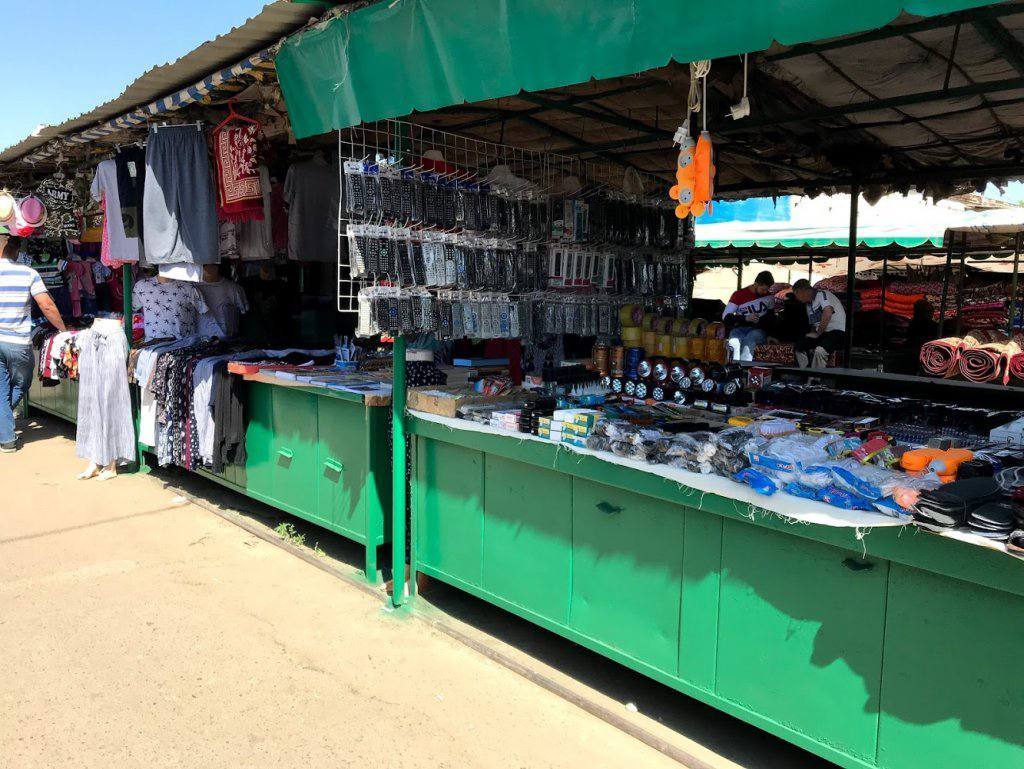
Tashkent city administration has moved to calm fears over the future of Yangiobod, one of the capital’s best-known flea markets, after it was included in a sweeping plan to privatise 35 markets and trading sites. Officials now promise to preserve its traders, specialisation and character, although the privatisation decision is still on the table.
Yangiobod – also commonly known as ‘Yangiabad’ among Russian speakers – was one of 35 markets and commercial sites earmarked for open online auctions under a presidential resolution signed in July. The proposal is designed to reduce direct state involvement in Tashkent’s markets and bring private investment into ageing retail infrastructure.
Its addition soon created worries about what might happen to the place under new ownership, given how difficult it was to reproduce. Some local media and social media posts speculated about demolition or large-scale redevelopment, but there has been no official decision to demolish Yangiobod.
If there's one constant in #CentralAsia #travel it's that visiting a new #market is almost always a good time. This trip marked my first visit to the Yangiobod weekend #bazaar – more of a flea market than anything, but bustling and colorful and well worth the trip. @uzb_travel pic.twitter.com/jgWODfWLUc
— Stephen Lioy (@slioy) June 17, 2021
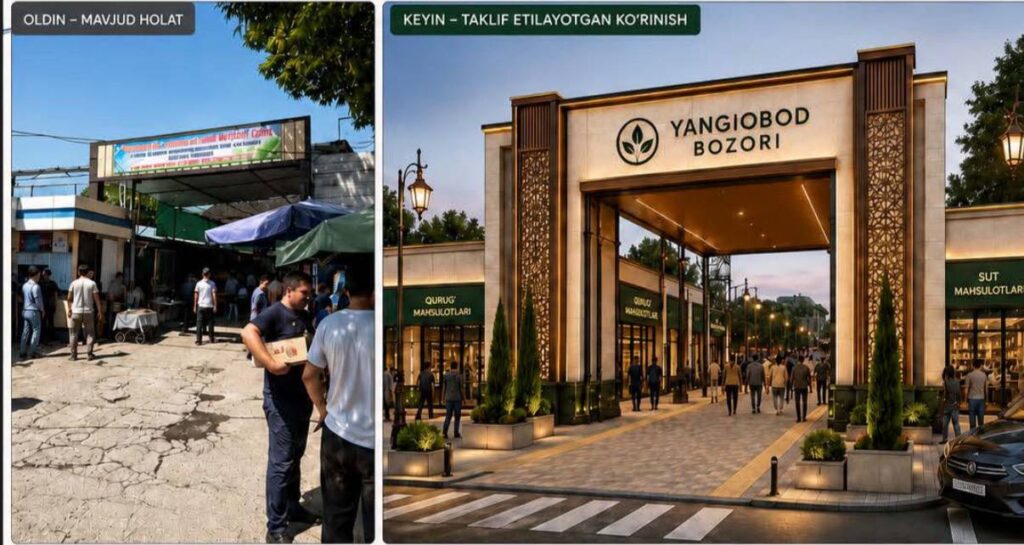
The city administration in Tashkent said on Tuesday it is working on a separate renewal concept with designers and will submit the proposals to public review. No timetable has been announced for the work, consultation or final auction.
Read more: Tashkent Metro eyes Chinese-made cars for fleet expansion
The city says the idea is not to make Yangiobod a different kind of shopping complex. The market’s established specialisation will remain, as will the flea-market format and the pitches of existing traders.
What Tashkent city authorities are promising
More prosaic changes that officials are looking at include better sanitation and safety, improved infrastructure, clearer pedestrian routes, landscaping and parking. The officials have repeatedly said that the overhaul should preserve Yangiobod’s recognisable atmosphere.
That does not mean privatisation is off the table. Yangiobod remains on the July list of assets for sale, and a master plan for each individual property must be drawn up before the properties are auctioned in the overall programme.
A market with a longer memory
While nowhere near Tashkent’s newly inscribed UNESCO World Heritage sites, Yangiobod matters in the city. It remains a daily market for used tools, electronics, household goods, spare parts, and other secondhand items. Collectors seek Soviet-era and older pieces, and it is listed on Tripadvisor as a Tashkent attraction, but visitors refer to it as mostly a local market.
- Tezikovka, Yangiobod’s trading predecessor of the Soviet era, has got a mention in literature. Alexander Solzhenitsyn, the recipient of the 1970 Nobel Prize in Literature, and Tashkent-born Israeli novelist Dina Rubina wrote about Tezikovka, establishing it in the city’s literary and commercial history.
- Yangiobod appears in international travel writing. A 2025 Sunday Times travel feature described the «chaotic» market as «a mighty contrast to the clean and orderly city,» noting the range from old household fittings to Soviet memorabilia.