NASA scientists make edible 3D-printed cookies from reusable plastic

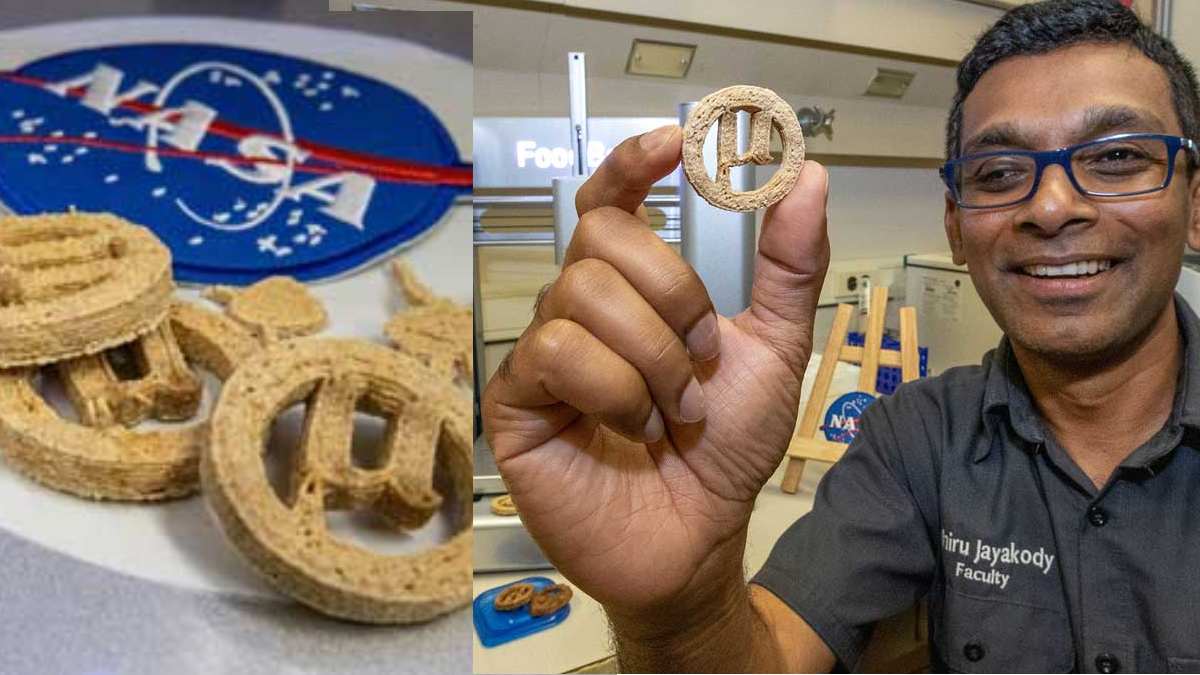
A novel technique for changing everyday refuse into 3D-printed cookies could soon feed crews on extended galactic voyages. Backed by NASA through its Deep Space Food Challenge, this initiative employs engineered yeast strains to modify standard plastics and crop leftovers into consumable fats, proteins and synthetic tastes.
Providing sustenance during multi-year interplanetary journeys presents severe logistical hurdles due to cargo constraints. A round trip to Mars takes approximately three years and demands strict resource management. Microbiologist Lahiru Jayakody from Southern Illinois University Carbondale spearheaded the research and shared these breakthroughs during an American Chemical Society gathering in Chicago.
The study focused primarily on polyethylene terephthalate, the main material found in disposable drinks bottles. Subjecting this durable substance to intense heat and pressure deconstructs it into carbon-dense fragments. Afterwards, genetically altered microbes digest these pieces to generate fresh biological compounds.
Earth-bound potential for orbital catering tech
Combining the ensuing nutrient paste with starch allows devices to extrude a circular biscuit shape. Although the team awaits official clearance for human consumption trials, early assessments indicate the item possesses an appealing scent. Furthermore, researchers used a distinct microbe variant to extract vanilla notes directly from plant matter.
Manufacturing these experimental snacks currently costs $60 per kilogram. Boosting microbe efficiency alongside larger-scale operations should drive down these financial barriers over time to make the process economically viable.
This innovation promises utility far beyond extraterrestrial expeditions. The scientists propose deploying the system within harsh terrestrial settings like underwater vessels or emergency relief zones. Jayakody noted the technology could simultaneously tackle worldwide starvation and environmental pollution.
With international dietary requirements projected to surge between 35% and 56% by 2050, microbe-cultivated meals might deliver a sustainable remedy. Roughly a third of the global population faces potential hunger risks in the coming decades.
Using microbes to synthesise nutrition out of otherwise discarded materials presents a dual-purpose strategy to combat both waste accumulation and food scarcity. Experts acknowledge that society will likely require time to overcome the psychological barrier of consuming items originating from synthetic packaging.