Love, exile and Olympic sailing: Norway’s late King Harald V beyond the crown

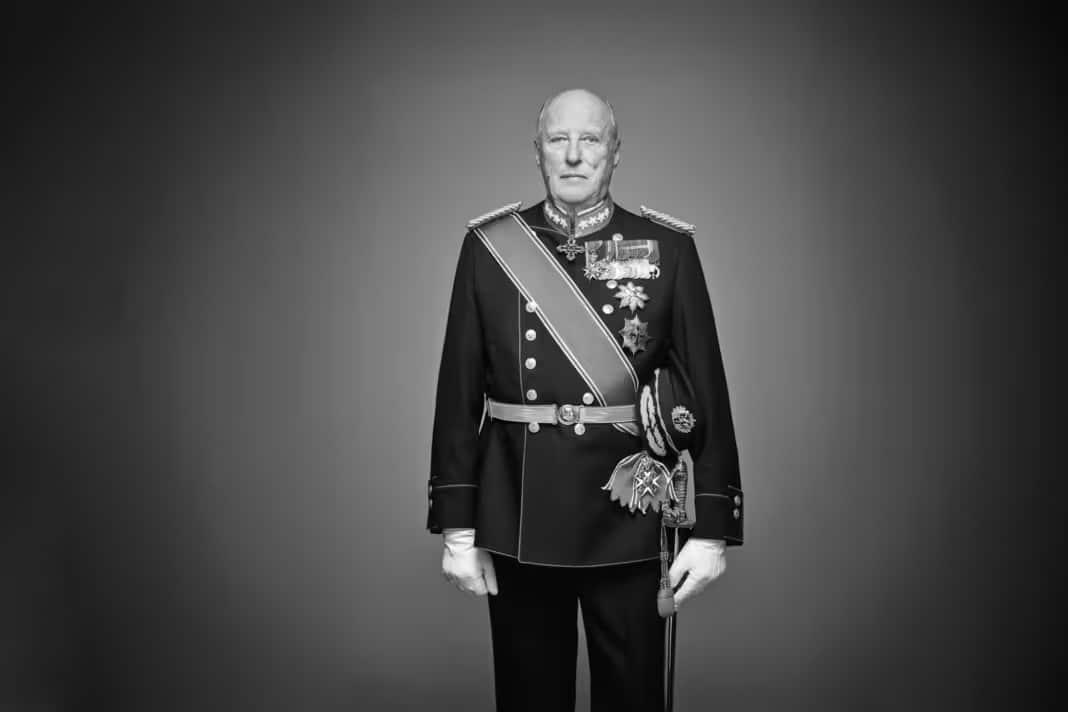
King Harald V, who died on Friday aged 89, occupied Norway’s throne for 35 years – but some of the most telling stories of his life took place far from it. Here are five moments that offer some insight into why he was Norway’s «people’s king» – from wartime exile to forbidden love and Olympic sailing.
The Royal Court of Norway said Harald passed away peacefully at Oslo University Hospital at 6.35am on 28 August. His son immediately succeeded him as King Haakon VIII.
Prince 567 years in the making
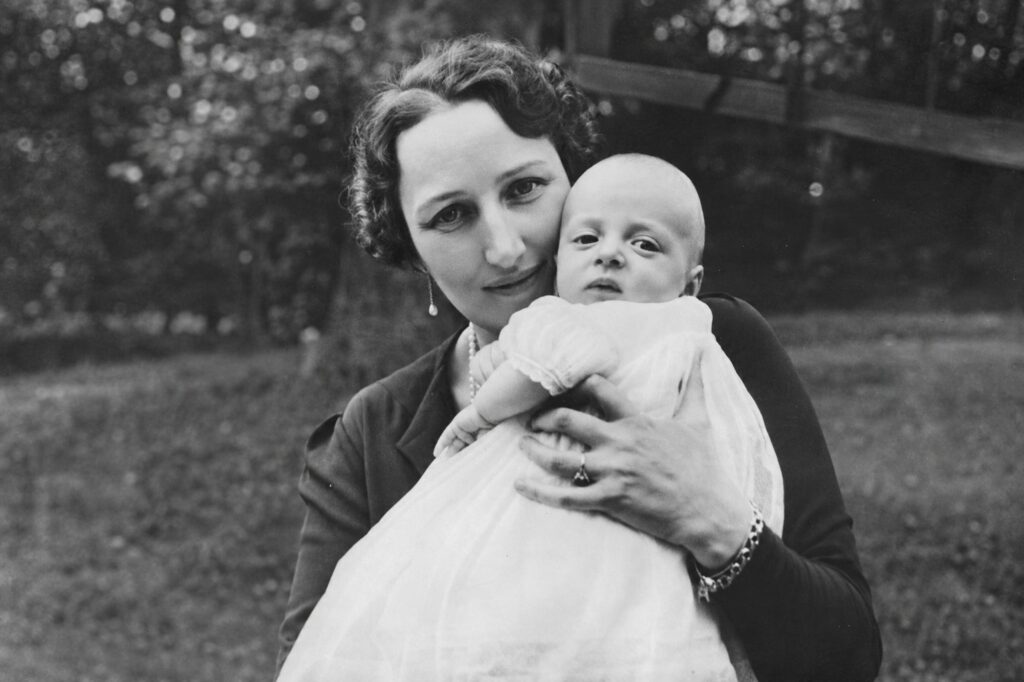
Harald was born at Skaugum on February 21, 1937, and his arrival was more than a family celebration. He was the first Norwegian-born prince since Olav IV arrived in 1370, ending a centuries-long wait under Danish and Swedish monarchs.
This made the child prince a living symbol of Norway’s regained independence, which had been achieved only 32 years before his birth. Few babies are born with so much historical baggage.
Prince who grew up around Roosevelt
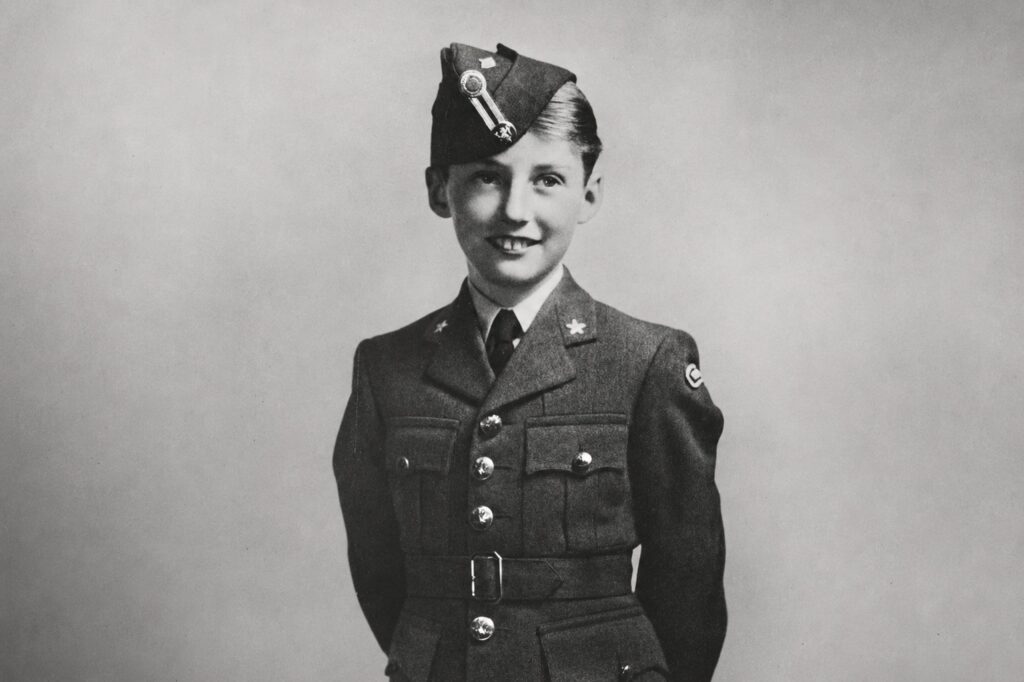
Harald was three years old when Nazi Germany invaded Norway in 1940. His father and grandfather fled to Britain while Harald fled with his mother and two sisters, first to Sweden and then to the US.
While in America, the family frequently met with President Franklin D. Roosevelt. Later, Harald recalled Roosevelt as a grandfather figure – an extraordinary childhood connection for a boy whose own country was still under occupation.
After the war he returned to Norway in 1945 and went to a normal state school, another departure from the private royal education of previous generations.
Read more: King Harald’s family gathered as his condition became «very serious»
Marry Sonja – or no one
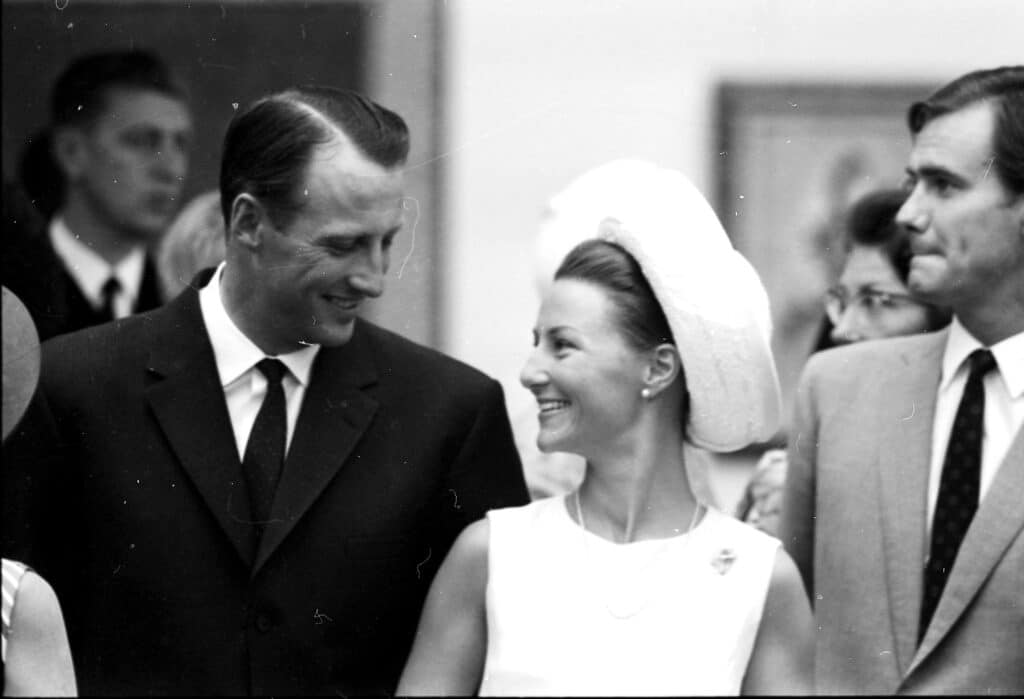
Harald met Sonja Haraldsen in 1959, but she was a commoner and thus not suitable for Norway’s future king. The couple waited nine years, as the palace grappled with the idea of an heir marrying outside the aristocracy.
Finally Harald told his father, then-King Olav V, that he would stay single if he couldn’t marry Sonja. He was the only male heir, so that decision could have precipitated a succession crisis.
After discussions with the government and parliamentary leaders, permission was finally granted. Harald and Sonja were married at Oslo Cathedral on 29 August 1968.
He died the day before their 58th anniversary.
Three Olympics before palace breakfast
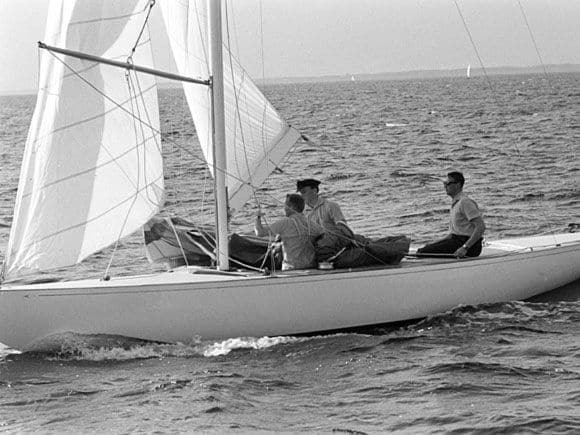
Harald was not just a royal spectator in the grandstand. He sailed for Norway at the 1964, 1968 and 1972 Summer Olympics and was his country’s flag carrier at the opening ceremony in Tokyo.
He never won an Olympic medal, but he did win some big titles. In 1987 Harald and his crew became world champions on Fram X and, in 2005, European champions on Fram XV. He continued to compete in regattas before announcing his retirement from competitive sailing in 2022.
Read more: Crown Princess Mette-Marit may need a lung transplant
The speech that widened Norway’s family portrait
Harald’s most memorable intervention did not concern government policy. At a palace garden party in 2016, he described Norway through the people who lived there: immigrants and native-born citizens, rich and poor, wheelchair users and athletes.
«Norwegians are girls who love girls, boys who love boys,» he said, adding that they believed in «God, Allah, the Universe and nothing».
The language was simple, but its symbolism was powerful. A hereditary monarch had firmly placed minorities inside the national story.
Read more: Norway’s royal family faces scrutiny over the Epstein files
Harald inherited a monarchy built on ceremony, but his lasting appeal came from letting ordinary life enter the palace: a commoner as queen, emotion in public and a definition of Norway broad enough to accommodate a changing country.