First “China-friendly” pharmacies open in Russia

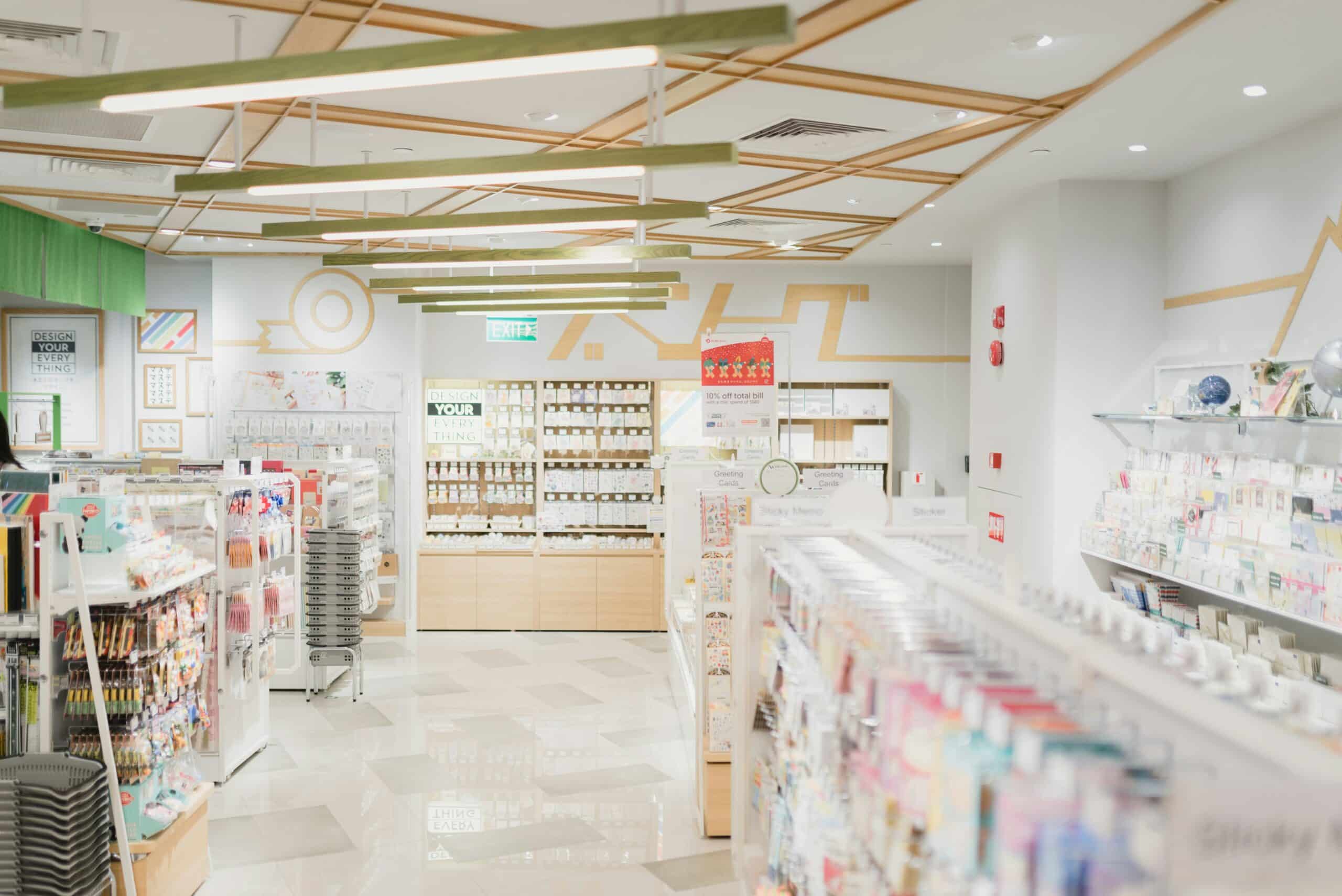
Russia has introduced its first pharmacies specifically adapted for Chinese customers in the Far East, with three facilities in the Amur region receiving the China Friendly certification as Moscow seeks to accommodate growing cross-border traffic.
The pharmacies, located in the region bordering China, have added Chinese-language signs, translated information materials and Chinese versions of drug categories. Staff can also use specialised software to translate between Chinese and Russian at the counter, according to Russia’s quality watchdog Roskachestvo.
Three pharmacies received the certification: Social Pharmacy and two branches operated by Tvoyaapteka.rf. Roskachestvo said the designation is intended to ensure that Chinese visitors can navigate the pharmacies and obtain information about medicines without encountering language or cultural barriers.
A region increasingly tied to China
The Amur region is home to about 753,000 permanent residents, according to Rosstat’s estimate for January 1, 2025.
The Chinese population permanently recorded in the region is much smaller. Data from Russia’s 2020 census put the number of people identifying as Chinese at 672, or about 0.08% of the regional population. That figure excludes temporary workers, students, tourists, and other short-term visitors, so it should not be treated as a count of all Chinese citizens currently present in the region.
Cross-border movement has nevertheless become increasingly significant. Blagoveshchensk sits directly across the Amur River from the Chinese city of Heihe, and the two sides are connected by expanding tourism, education, trade, and transport links.
The regional government has also been seeking to attract more Chinese visitors and strengthen services aimed at them. At Amur State University, for example, Chinese citizens account for about 85% of foreign students, according to regional Governor Vasily Orlov.
Read more: Russian travel firms sound alarm over China’s Trip.com expansion
China already has Russian-language alternatives
There are comparable examples on the Chinese side, although they are more developed in healthcare and medical tourism than in retail pharmacies.
More than 40 medical institutions across Heilongjiang have reportedly introduced standardised Russian-language guidance, department signs and price information for foreign patients. Harbin’s Second Affiliated Hospital of Harbin Medical University has Chinese, English and Russian signs at its international medical centre.
Heihe recorded more than 18,000 visits for China-Russia traditional Chinese medicine services in 2025, while local authorities said Russian patients were increasingly using the city’s medical facilities following the introduction of visa-free travel between Russia and China.