24mn Central Asians live on land that’s drying and dying

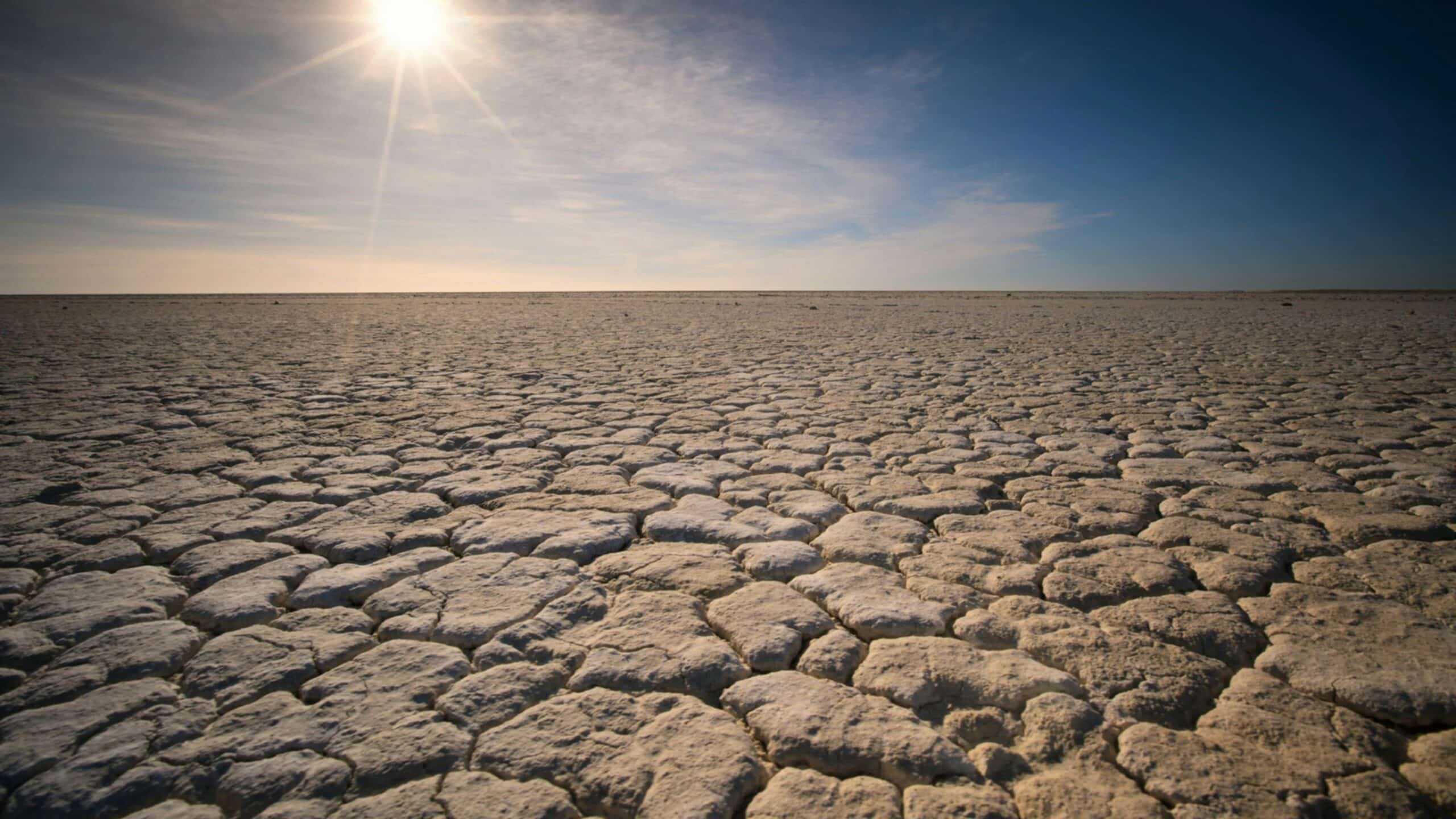
Central Asians face a silent disaster that is unfolding underfoot: fields are crusting with salt, pastures are wearing bare and water is becoming harder to secure. Nearly 24 million people live on degraded land, while the damage costs the region up to $6bn every year, the UN has warned.
Well over 80 million hectares have already deteriorated across Kazakhstan, Kyrgyzstan, Tajikistan, Turkmenistan and Uzbekistan, according to a new Global Land Outlook report from the UN Convention to Combat Desertification.
That is an area almost four times the size of Kyrgyzstan.
Almost 30% of Central Asians now live on land that «is literally dying under their feet,» the UN said in a press release. The crisis is advancing gradually, but its consequences are already being felt.
Central Asians caught in a water trap
Heat and drought dry the soil from above. Inefficient irrigation and damaged drainage systems leave salt behind below it. Together, they can turn productive farmland into ground that demands more money and water for a smaller return.
According to a regional summary of the UN findings, between 60% and 80% of Central Asia’s rangelands show some degree of degradation. As much as 40% to 60% of irrigated land may be affected by secondary salinisation, with much of it linked to inefficient irrigation and ageing drainage systems.
The danger is already visible in Uzbekistan, with the UN Food and Agriculture Organisation alarming that the country has 25.6 million hectares of rangeland – the area is slightly larger than the UK. About 2.5 million hectares have degraded, while another six million have lost vegetation.
Read more: Uzbekistan cuts water stress, but major challenges persist: UN
The Aral Sea has shown the ending
For rural families, the danger means smaller harvests, weaker livestock and lower incomes. In the worst-affected places, remaining on the land becomes harder each year.
Central Asia does not need to imagine what happens when environmental decline destroys an economy. The Aral Sea had shrunk to roughly 10% of its former size. Its exposed bed became the Aralkum Desert, spreading salt and dust across surrounding communities.
Uzbekistan and Kazakhstan are planting saxaul across the former Aral seabed to hold down sand, salt and toxic dust. Uzbekistan says forestry work has covered about two million hectares since 2018, although establishing lasting vegetation in the desert remains difficult.
Read more: Uzbekistan and Kazakhstan plant saxaul to stabilise Aral Sea’s bed